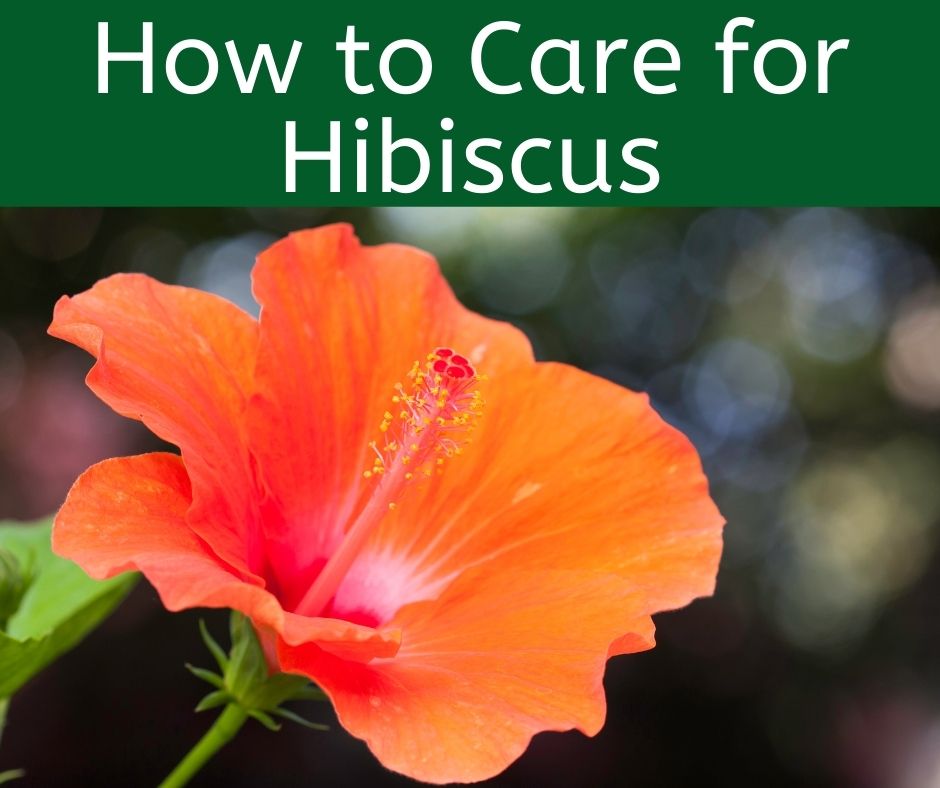
How To Care For Hibiscus Plant
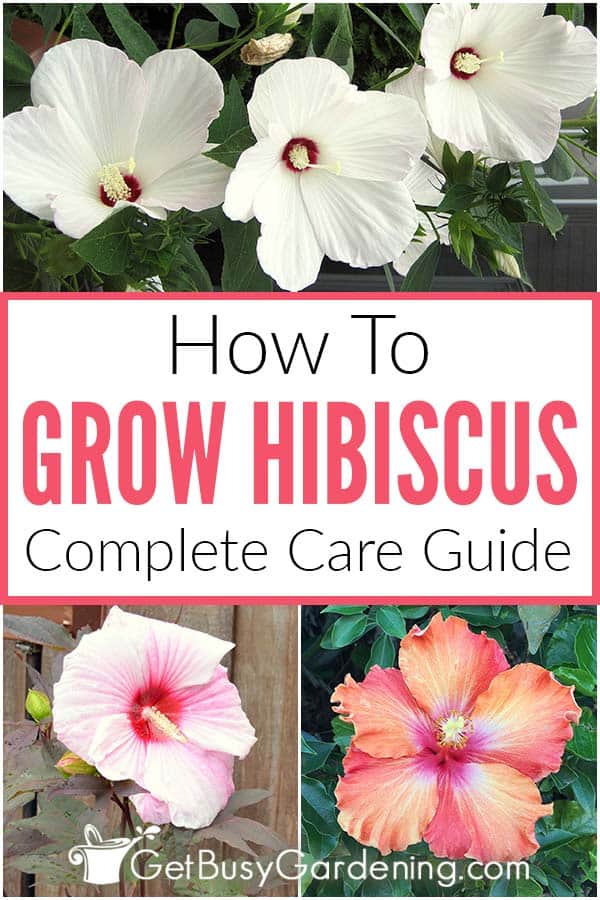
Alright, alright, gather 'round, plant enthusiasts and soon-to-be hibiscus whisperers! Let's talk hibiscus – those flamboyant, tropical showstoppers that make you feel like you're perpetually on vacation. But don't let their good looks fool you; these floral divas can be a bit… demanding. Think of them as the Mariah Carey of the plant world. But fear not! I’m here to give you the lowdown on how to keep your hibiscus happy and blooming, without having to hire a personal gardener (unless you really want to).
Location, Location, Location! (Or, "Where to Put Your Prickly Princess")
First things first: sunlight. Hibiscus are solar-powered showboats. They need at least 6 hours of direct sunlight a day. Imagine them as tiny, leafy solar panels, soaking up all that glorious energy to create those magnificent blooms. If they don't get enough sun, they'll sulk. Trust me, a sulking hibiscus is not a pretty sight. Expect fewer flowers and leggy, sad-looking growth. Think of a teenager deprived of their phone – dramatic, right?
Now, about temperature. These babies are tropical, remember? They thrive in warm temperatures, generally between 65°F and 85°F (18°C and 29°C). If you live in a place where the weather dips below freezing, bring your hibiscus indoors before Jack Frost comes knocking. They're not fans of frost. Frost is the enemy. It’s like Kryptonite for hibiscus. They'll thank you for it (in the form of more beautiful blooms, of course).
Must Read
Watering: The Art of Not Drowning Your Diva
Watering can be tricky. Overwatering is a common hibiscus-killing mistake. It's like trying to give a hummingbird a bath in a bucket of water – not ideal. Let the top inch or two of soil dry out between waterings. When you do water, water deeply, until water drains out the bottom of the pot. This encourages deep root growth, which makes for a happier, healthier plant. Avoid letting the pot sit in standing water, as this can lead to root rot. Nobody wants root rot. It’s basically plant leprosy.
During the blooming season, your hibiscus will be thirstier. Think of it like this: producing those spectacular flowers is thirsty work! So, water more frequently during the summer months. In the winter, when the plant is resting, you can cut back on watering.
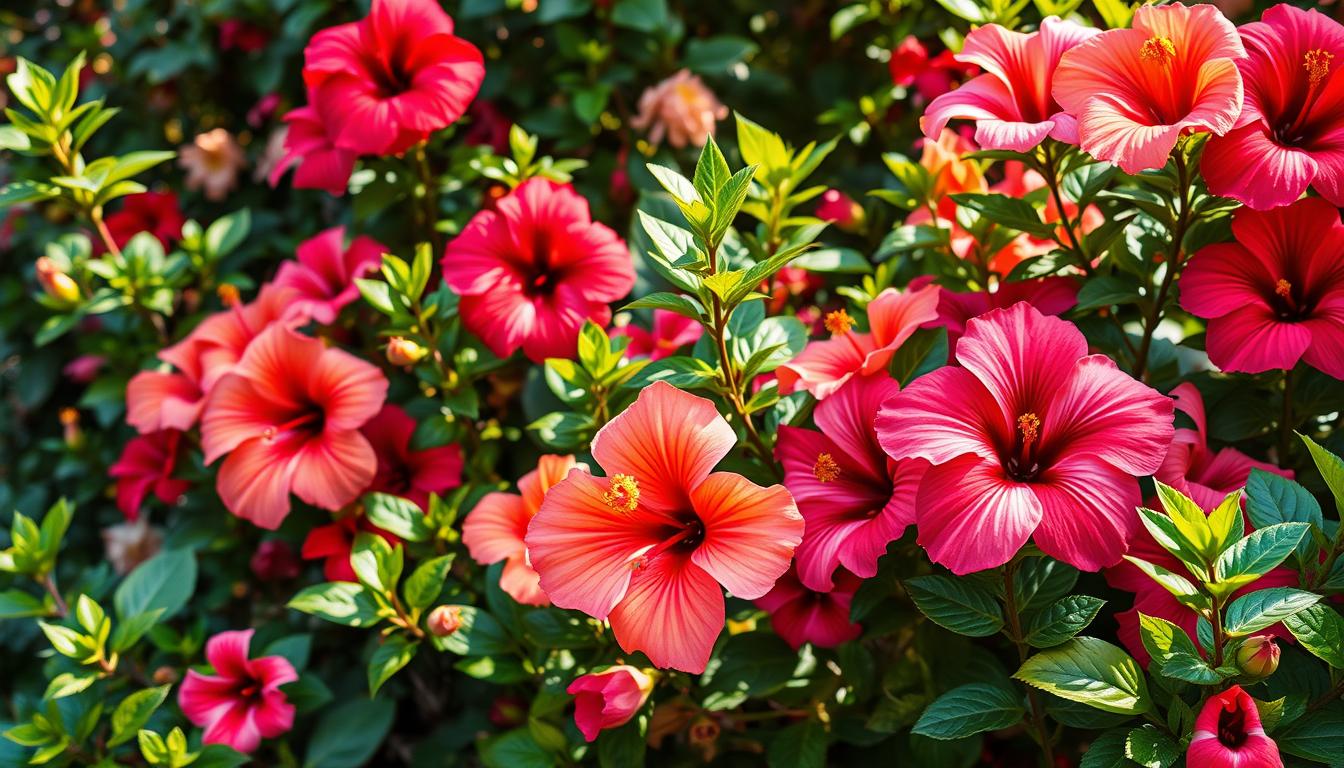
Feeding Time! (Or, "Keeping Your Hibiscus Well-Fed and Fabulous")
Hibiscus are heavy feeders, meaning they need regular fertilization to produce those vibrant blooms. Use a fertilizer that's specifically formulated for hibiscus, or one that's high in potassium. Potassium is the magic ingredient for flower power! Feed your hibiscus every two weeks during the growing season. Avoid fertilizing during the winter months when the plant is dormant. It’s like force-feeding a bear during hibernation – not cool.
And here's a fun fact: some people swear by adding Epsom salts to their hibiscus fertilizer. The magnesium in Epsom salts is said to promote lush, green foliage and abundant blooms. It's like giving your hibiscus a spa day!
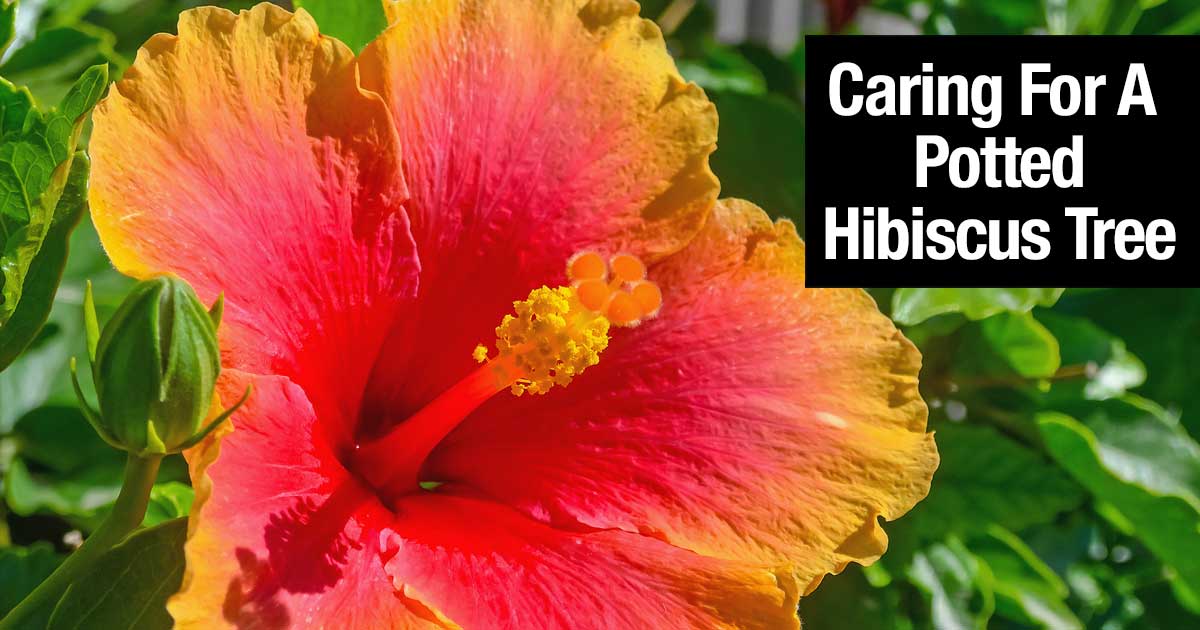
Pruning: Giving Your Hibiscus a Haircut (and Encouraging More Flowers)
Pruning your hibiscus might seem scary, but it's actually quite beneficial. Pruning encourages branching, which leads to more flowers. Think of it as giving your hibiscus a haircut that makes it even more fabulous. The best time to prune is in late winter or early spring, before new growth begins. Remove any dead, diseased, or crossing branches. You can also trim back the overall shape of the plant to keep it looking tidy.
Don't be afraid to get a little aggressive with your pruning. Hibiscus are resilient plants. They can handle a good haircut. Plus, you can use the cuttings to propagate new plants! It’s like cloning your favorite floral friend!
Pest Control: Defending Your Hibiscus From Tiny Terrorists
Unfortunately, hibiscus are susceptible to a few pests, like aphids, spider mites, and mealybugs. These little critters can suck the life out of your plant, leaving it weak and unhappy. Keep an eye out for signs of infestation, such as sticky residue on the leaves, webbing, or tiny bugs crawling around. If you spot any pests, act quickly! You can try spraying your hibiscus with a strong stream of water to dislodge the pests. Or, you can use insecticidal soap or neem oil.
Prevention is key! Regularly inspect your hibiscus for pests, and keep the area around the plant clean and free of debris. A healthy, well-cared-for hibiscus is less likely to be attacked by pests.
A Few Extra Tips and Tricks:
- Deadhead spent flowers to encourage more blooms. This is like telling your hibiscus, "Good job! Now do it again!"
- Rotate your hibiscus regularly to ensure even growth on all sides. Nobody wants a lopsided hibiscus.
- If you live in a dry climate, consider misting your hibiscus regularly to increase humidity. They appreciate a little spritz.
- Talk to your hibiscus! Okay, maybe this is just me, but I swear they respond to positive encouragement. Try it! What do you have to lose?
So, there you have it! Your crash course in hibiscus care. Now go forth and cultivate your own tropical paradise! Just remember, a little love, sunshine, and water go a long way. And if all else fails, blame the weather. It's always a safe bet.