
How Often Should You Condition Your Hair
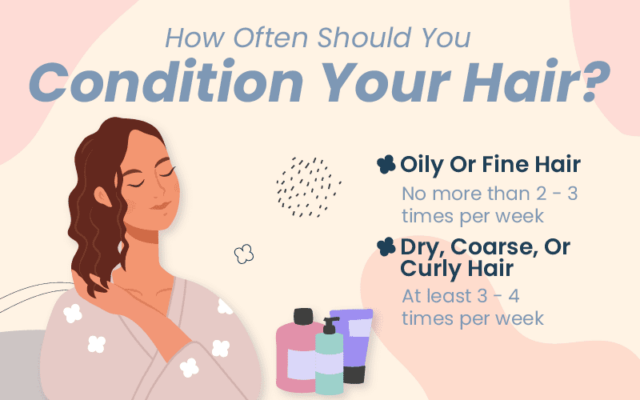
Ever wondered if you're conditioning your hair just right? It's one of those little self-care details that can make a huge difference in how your hair looks and feels. Think of it like watering a plant – too much, and it gets soggy; too little, and it withers. Finding that perfect balance for your hair is the key to unlocking its full potential! It's not just about aesthetics; it's about hair health, which translates to confidence and ease in your everyday life.
So, what's the big deal with conditioner anyway? Put simply, it's your hair's best friend after shampoo. Shampoo, while necessary to cleanse your scalp and remove dirt, can also strip your hair of its natural oils. This leaves your hair feeling dry, brittle, and prone to tangles. Conditioner steps in to replenish that moisture, acting like a protective shield. It coats the hair shaft, smoothing the cuticle (the outer layer of the hair) and making it more manageable. The benefits are many: softer, shinier, less frizzy, and easier-to-detangle hair. It even helps prevent breakage and split ends, which can save you trips to the salon for trims!
The frequency of conditioning isn’t a one-size-fits-all answer. It truly depends on your hair type. For example, people with dry or damaged hair (think chemically treated, color-treated, or naturally very dry) may benefit from conditioning every time they shampoo. That could mean every other day, or even daily for some. On the other hand, people with fine or oily hair might find that too much conditioning weighs their hair down, making it look flat and greasy. For them, conditioning every two to three shampoos might be a better approach. Those with normal hair can experiment to find what works best, usually settling somewhere in between.
Must Read
Think about it like this: understanding your hair type is like understanding the context of a lesson. In a science class, you need different approaches to learning physics versus biology. Similarly, your hair needs different frequencies of conditioning depending on its individual needs. Consider the climate you live in too. Dry air can exacerbate dryness, suggesting more frequent conditioning. Humid air might allow you to cut back a bit.
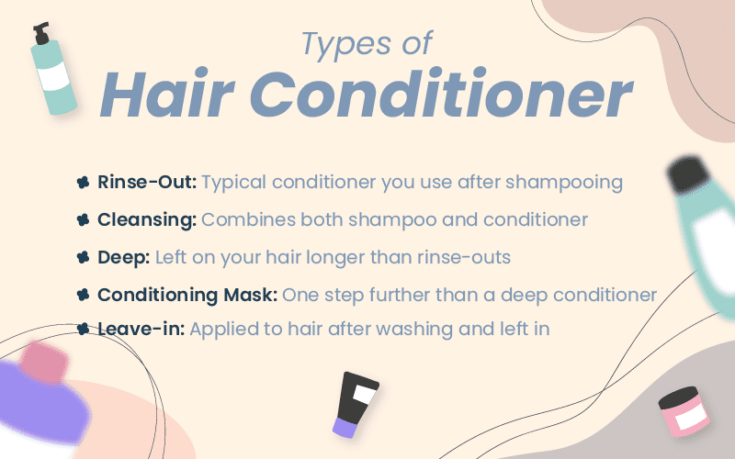
To figure out your sweet spot, start by paying close attention to how your hair feels after conditioning. Does it feel soft and hydrated, or heavy and greasy? If it feels heavy, try conditioning less frequently. If it still feels dry and brittle, increase the frequency. You can also experiment with different types of conditioners. A lightweight conditioner might be better for fine hair, while a deep conditioner or hair mask is perfect for dry or damaged hair. Look for ingredients like glycerin, shea butter, and natural oils which are known for their moisturizing properties.
A simple tip? Keep a hair journal! Note when you shampoo and condition, what products you use, and how your hair looks and feels afterward. Over time, you'll start to see patterns and identify what works best for your unique hair. Don't be afraid to experiment and tweak your routine until you find that perfect balance. Remember, healthy hair is happy hair!


