How Often Should You Clean Your Septic System

Okay, let's talk about something that might not sound like the most glamorous topic, but trust us, it's one of the most important (and money-saving!) discussions you'll have all year: your septic system! While it's certainly not a "fun" party topic, understanding how often to clean it is incredibly useful and, dare we say, empowering. No one wants an unexpected plumbing disaster, and keeping your septic system happy is key to preventing just that. Think of it as giving your home's unsung hero the TLC it deserves.
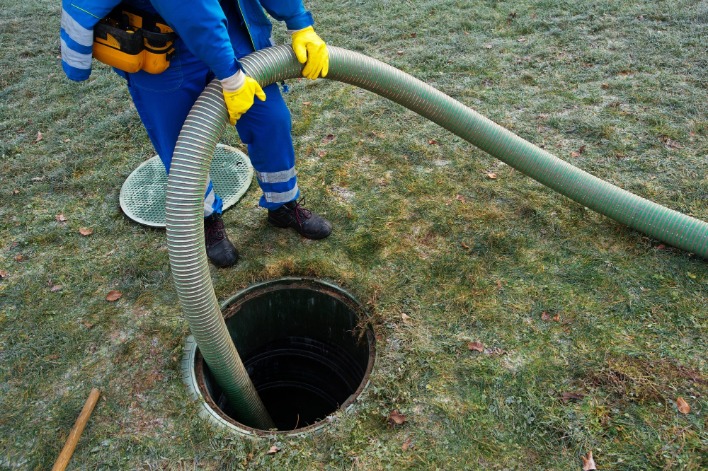
So, what exactly is a septic system, and why should you even bother cleaning it? Essentially, your septic system is your home's private, on-site wastewater treatment plant. All the water from your toilets, showers, sinks, and washing machine goes into a large underground tank. Here, solids separate from liquids, and bacteria break down the waste. The treated liquid then flows into a drain field where it's further purified by the soil. The benefits of regular cleaning are huge: it prevents nasty backups into your home (trust us, you do NOT want that!), extends the lifespan of your entire system, saves you thousands in potential repair costs, and keeps your property smelling fresh and clean. It’s an investment in your home’s health and your peace of mind.
Now for the million-dollar question: How often should you clean your septic system? The general rule of thumb for most households is to have your septic tank pumped every three to five years. However, and this is crucial, this is just a guideline. Several factors can significantly influence how frequently your system needs attention. For instance, a larger household with more residents will generate more wastewater and solids, meaning you'll likely need to pump more often, perhaps closer to the 3-year mark. Conversely, a smaller household of one or two people with a larger tank might stretch it closer to five years or even a bit beyond.
Must Read
Consider your water usage as well. If your family takes long showers, runs the dishwasher daily, and does multiple loads of laundry each week, that's a lot of water flowing through the system, potentially stirring up solids and requiring more frequent pumping. The use of a garbage disposal is another big factor; these devices introduce a lot of extra solids into your tank that don't break down easily, making more frequent pumping a necessity. As a general rule, try to keep food scraps out of your septic system entirely! And remember, what goes down the drain matters: avoid flushing anything non-biodegradable like wipes, paper towels, or feminine hygiene products. Stick to the "If it's not pee, paper, or poop, it's a nope!" mantra.
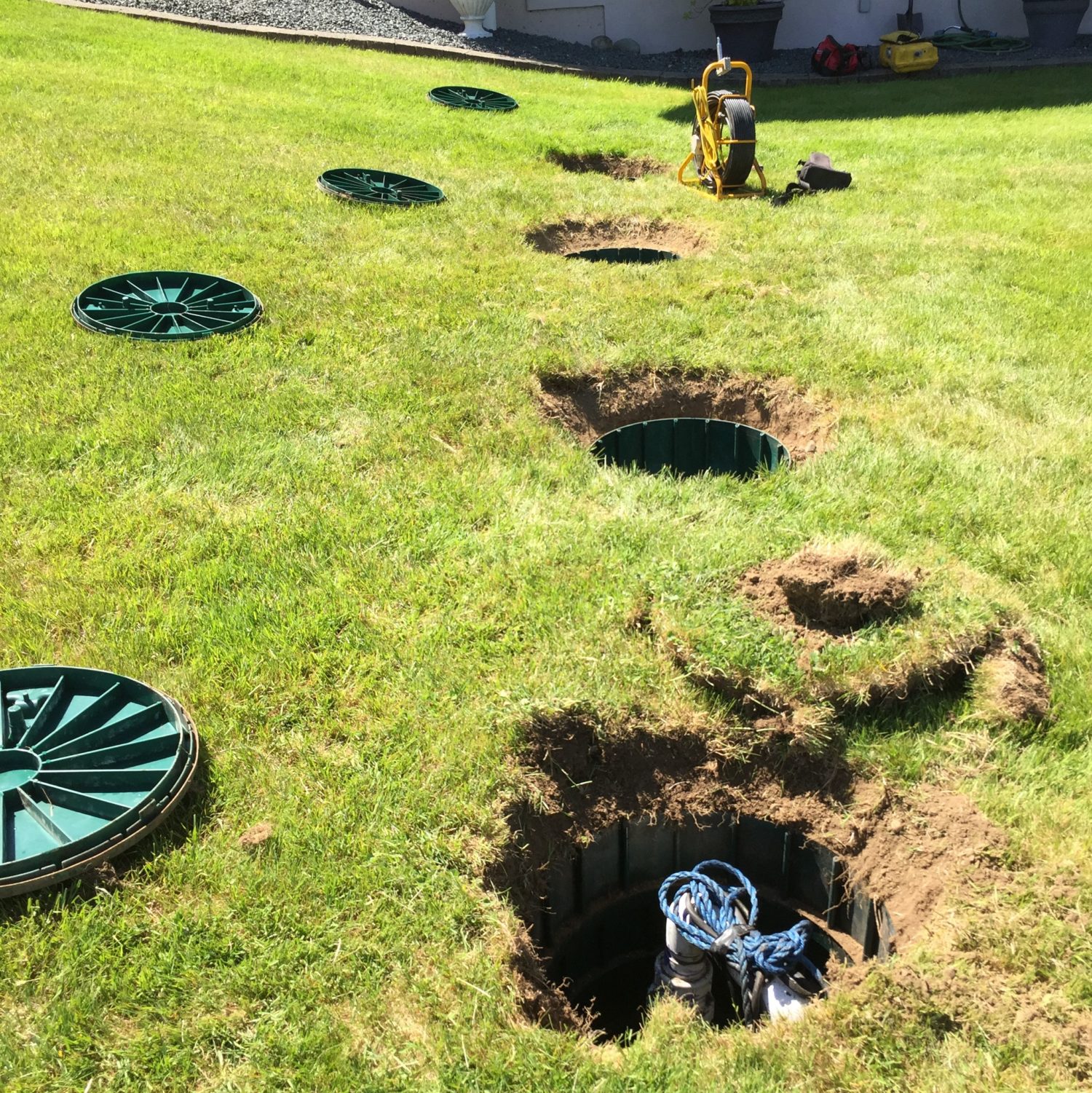
Beyond the general timeline, keep an eye out for warning signs. Slow drains, gurgling toilets, or an unpleasant odor indoors or around your drain field can all indicate that your tank is full or experiencing issues. Sometimes, lush, greener-than-usual grass or wet spots over your drain field can signal an overflow or system failure. If you notice any of these, don't wait for the 3-5 year mark – call a professional immediately.
Ultimately, regular septic system maintenance isn't just a chore; it's a smart, proactive step in maintaining your home's value and avoiding costly headaches. Don't procrastinate! Consult with a qualified septic professional who can assess your specific situation and recommend the best pumping schedule for your home. A little attention now can save you a whole lot of trouble (and money!) down the road. Keep your septic system happy, and it will keep your home happy too!