
How Often Should My Septic Tank Be Emptied

Ah, the septic tank. That mysterious, silent partner in your home's ecosystem, tucked away underground, doing its dirty work without a peep. Until, that is, it decides it's had enough. Then it's less a peep and more a full-blown, undeniable declaration that something needs to happen, and usually right now.
For most of us who aren't on city sewers, the septic tank is a bit like that attic box we rarely look at: out of sight, out of mind. Until one day, you open the lid (metaphorically, we hope!) and realize it's brimming with... well, let's just say memories. So, the big question, the one that probably keeps you up at 3 AM after an extra-large flush, is: how often should that thing be emptied?
Think of it Like Your Refrigerator
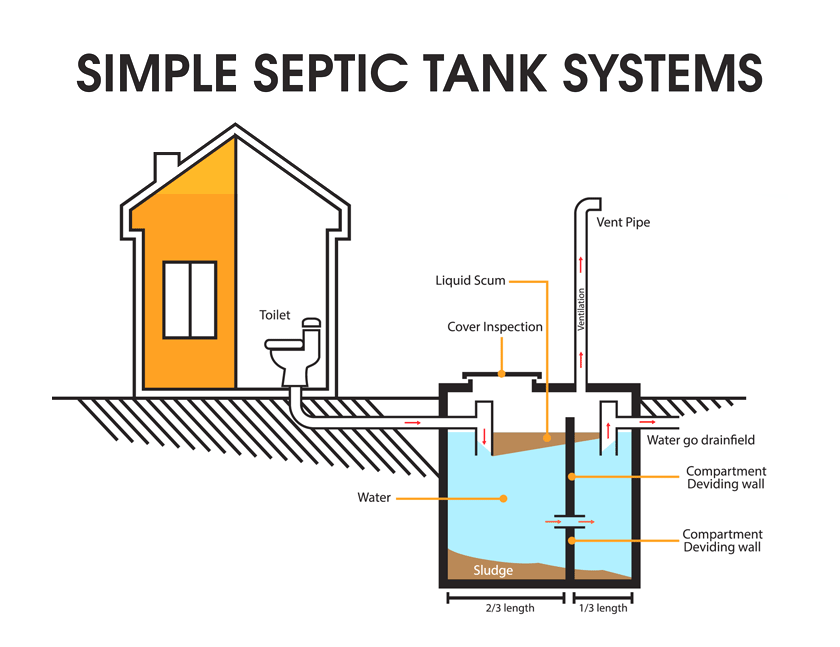
Imagine never cleaning out your fridge. Ever. Eventually, not only would it be full of forgotten leftovers and science experiments, but it would start to smell, things wouldn't cool properly, and eventually, there'd be no room for new groceries. Your septic tank is kinda like that, but with a significantly more pungent outcome. It's designed to separate solids from liquids, allowing the liquids to drain away and the solids to accumulate and decompose. But decomposition isn't 100% effective, and those solids do build up over time, forming a sludge layer at the bottom and a scum layer on top.
Must Read
If you let it go too long, those layers get too thick, and suddenly, the system can't do its job. That's when you start seeing things like slow drains (like trying to run through molasses), gurgling toilets (is that a ghost, or just my plumbing?), or the dreaded, unforgettable smell wafting across your yard. Nobody wants that kind of aroma accompanying their backyard barbecue.
The General Rule of Thumb (with a Wink)
Alright, let's get down to brass tacks. Most experts, in their infinite wisdom, will tell you that the sweet spot for septic tank emptying is somewhere in the range of every 3 to 5 years. Think of it as a loose guideline, like how often you should clean your baseboards. You know it's important, but life happens, right?
However, that 3-5 year number isn't a hard and fast rule carved in stone. It's more like a friendly suggestion from your septic system's personal trainer. Several things can make that window shrink faster than your patience in a traffic jam.
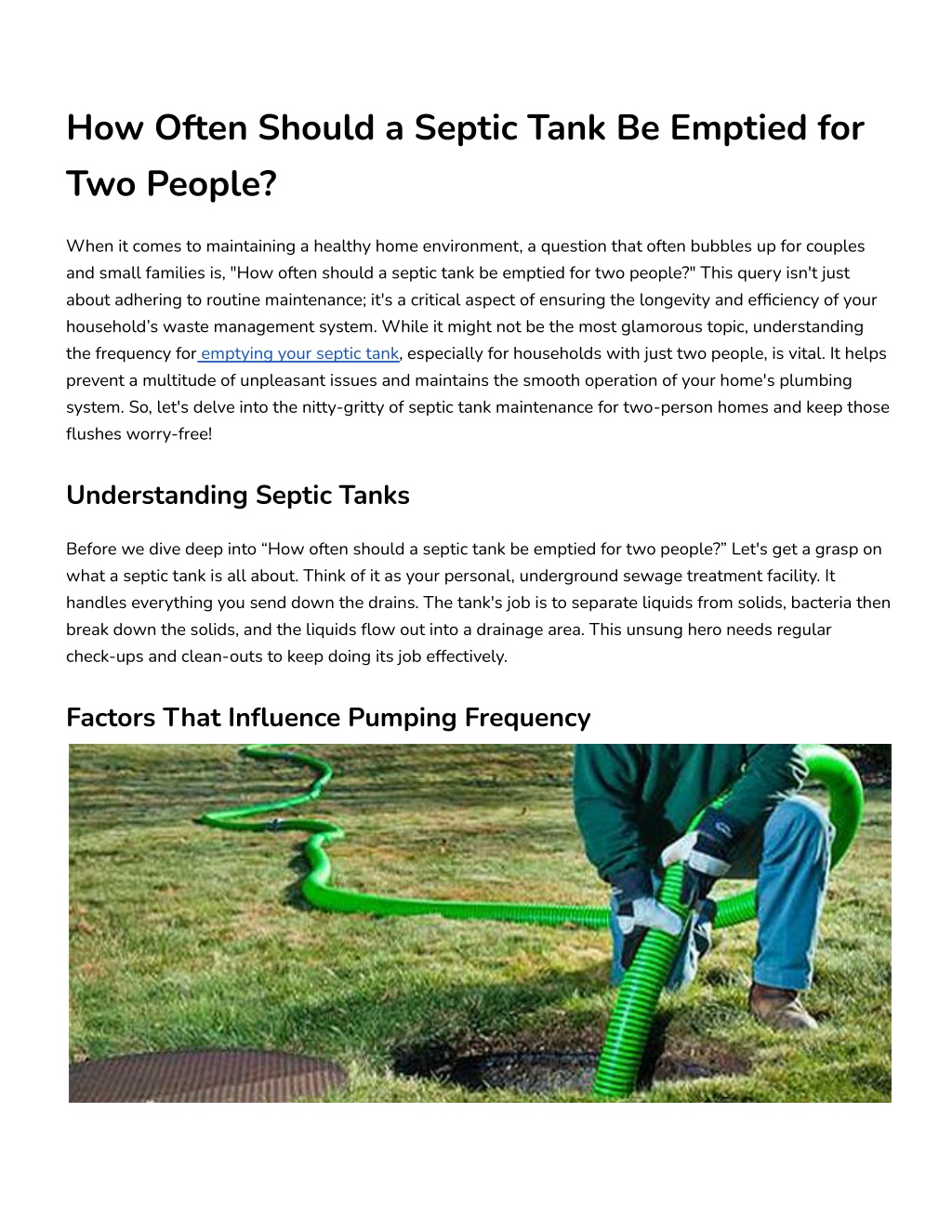
What Speeds Up the Fill-Up?
Your septic tank isn't just a bottomless pit; it's a finely tuned organism, and several factors influence its appetite for emptying:
-
Household Size: The More, The Merrier (and the Faster it Fills!)
This is probably the most obvious one. A single person living alone will put far less strain on a septic system than a bustling family of five, plus a couple of teenagers who take glorious, endless showers. More people equals more flushes, more laundry, more dishwashing – all leading to a quicker accumulation of solids. If you've got a house full of energetic humans, you might be looking at the lower end of that 3-year spectrum. -
Water Usage: Every Drop Counts (Literally)
Are you a super saver, or do you treat your home like a mini water park? Excessive water usage, even if it's just water, can overwhelm your system. While water itself doesn't contribute to the solid waste, it can stir up the sludge and push it into your drain field, where it absolutely doesn't belong. High-efficiency appliances are your friend here!
How Often Should You Empty Your Septic Tank? | John Kline Septic -
What Goes Down the Drain: The Septic's Dietary Restrictions
Your septic system is not a garbage disposal for everything. Things like "flushable" wipes (they're lying to you!), grease, coffee grounds, cat litter, feminine hygiene products, and harsh chemicals are the absolute enemies of your septic tank. They don't break down properly, they clog things up, and they kill the good bacteria that are essential for decomposition. Stick to the three P's: pee, poop, and (toilet) paper. Everything else? Trash it! -
Septic System Size: Bigger is (Often) Better
Just like a bigger car has a bigger gas tank, a larger septic tank can handle more volume before needing to be emptied. If you're unsure of your tank size, it's a good idea to find out. This information is usually available from your local health department or the original builder.
Signs Your Septic Tank is Yelling at You
If you've lost track of when it was last pumped, don't fret. Your septic system is usually pretty good at sending out distress signals. Don't ignore them! They're like that ominous rattling sound from your car – best addressed before it becomes a full-blown breakdown.
-
Slow Drains: Sinks, tubs, and showers taking forever to empty.
How Often Should a Septic Tank Be Emptied? -
Gurgling Sounds: Toilets gurgling when you use a sink, or vice versa.
-
Foul Odors: Smells around your tank, drain field, or even inside your house.
-
Lush Green Patches: Unusually green, spongy grass above your drain field (fertilized by... well, you know).
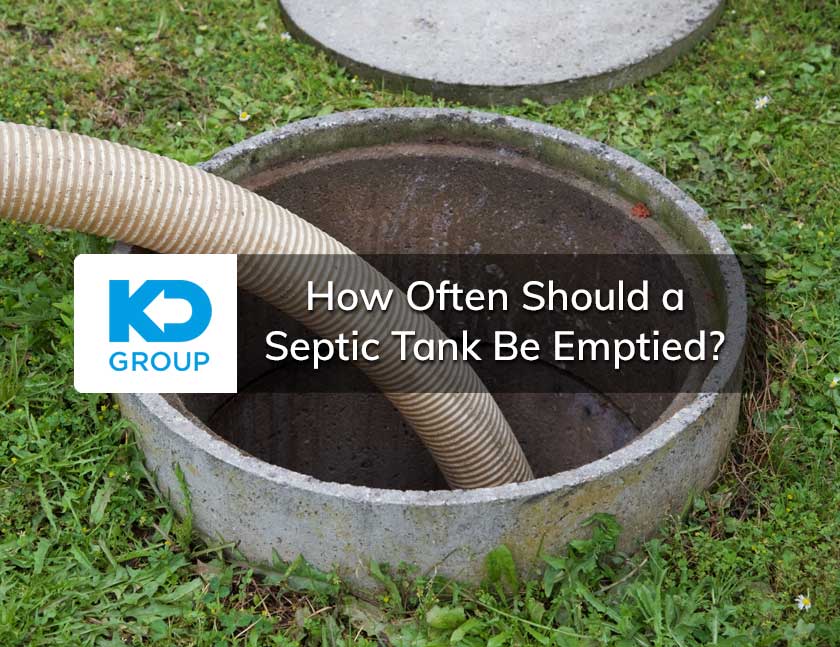
How Often Should a Septic Tank Be Emptied? -
Sewage Backup: The grand finale. This is the big, unmistakable "SOS" that means you've waited too long, and now you have a real mess on your hands.
The Bottom Line: Don't Wait for the Disaster
Ultimately, the best advice is to be proactive. Don't wait until your toilet water is staging a rebellion. It's far easier (and less expensive) to schedule routine pumping than to deal with a septic system failure.
If you're unsure, or it's been a while, it's always a good idea to call a septic professional. They can inspect your system, tell you its condition, and recommend an appropriate pumping schedule for your specific household and usage habits. Think of it as a little check-up for your home's most humble, yet essential, worker. A little preventative care goes a long, long way in keeping things flowing smoothly and smell-free!
(Word count: 708 words)