
How Often Does A Septic Tank Need To Be Emptied
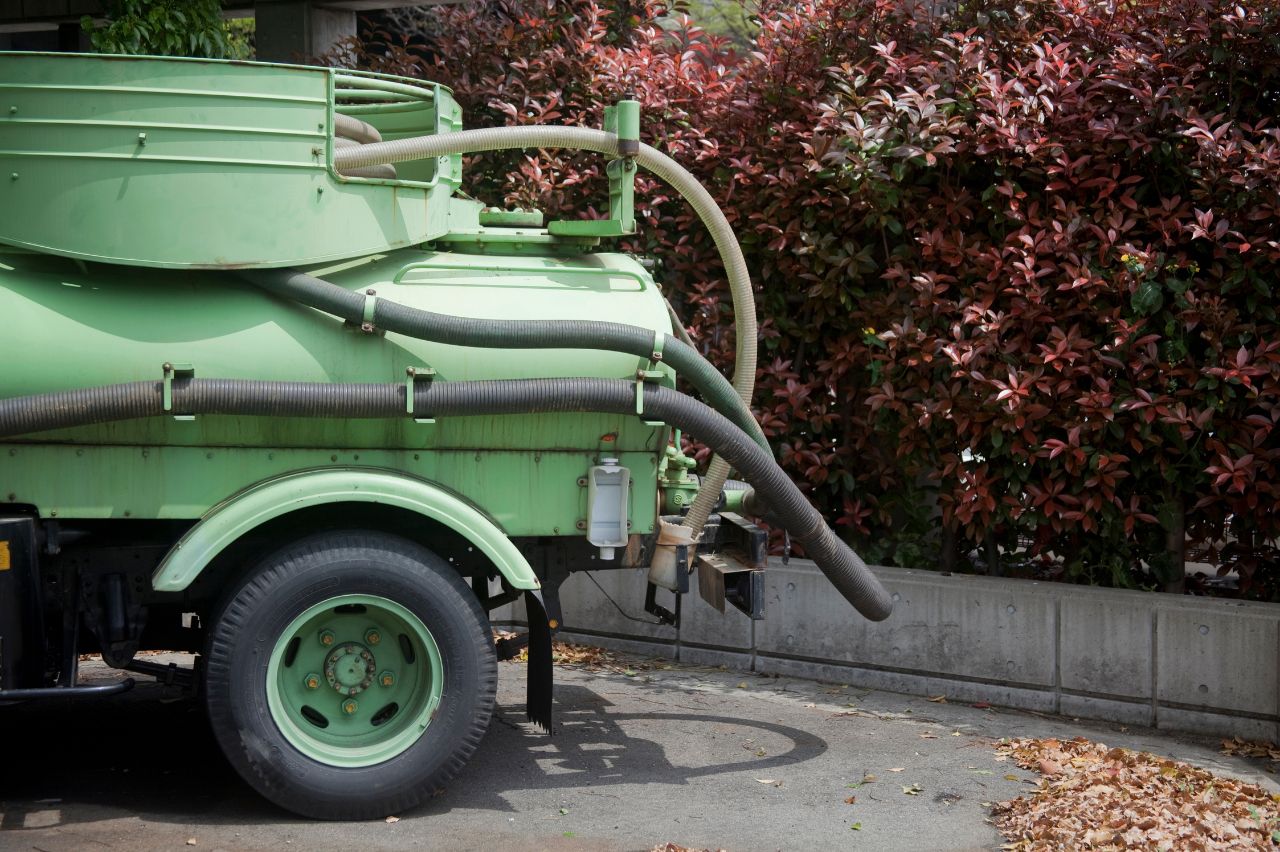
Alright, let's talk about something that's often out of sight, out of mind, and maybe just a little bit mysterious: your septic tank. If you live in a home with one, you've probably heard whispers about it, but do you really know what it's up to down there? More importantly, do you ever wonder, "How often does this thing actually need to be emptied?"
It's a fantastic question, and one that homeowners with septic systems think about (or, let's be honest, should think about!) at some point. But fear not! This isn't some super gross, complicated plumbing lecture. Think of it more like uncovering the secrets of a really efficient, underground, organic waste processing plant that serves your home. Pretty cool, right?
The Big Question: How Often?
So, the million-dollar question: how often should you get that septic tank pumped? The short, slightly annoying answer is: it depends! But don't worry, we're going to unpack those dependencies like a detective solving a fun, eco-friendly puzzle. Think of your septic tank as a loyal, hardworking pet – it needs a bit of care to stay happy and functional.
Must Read
Unlike a municipal sewer system that magically whisks everything away, your septic tank is a self-contained ecosystem. It's a large, underground container that collects all the wastewater from your home – we're talking toilets, showers, sinks, washing machines – you name it. Inside, the magic happens: solids settle to the bottom (forming sludge), lighter stuff floats to the top (scum), and the liquid in the middle (effluent) flows out to a drain field, where it's further treated by the soil.
Factors That Play a Starring Role
Just like how often you need to buy groceries depends on your family's appetite, how often your septic tank needs pumping depends on a few key players:
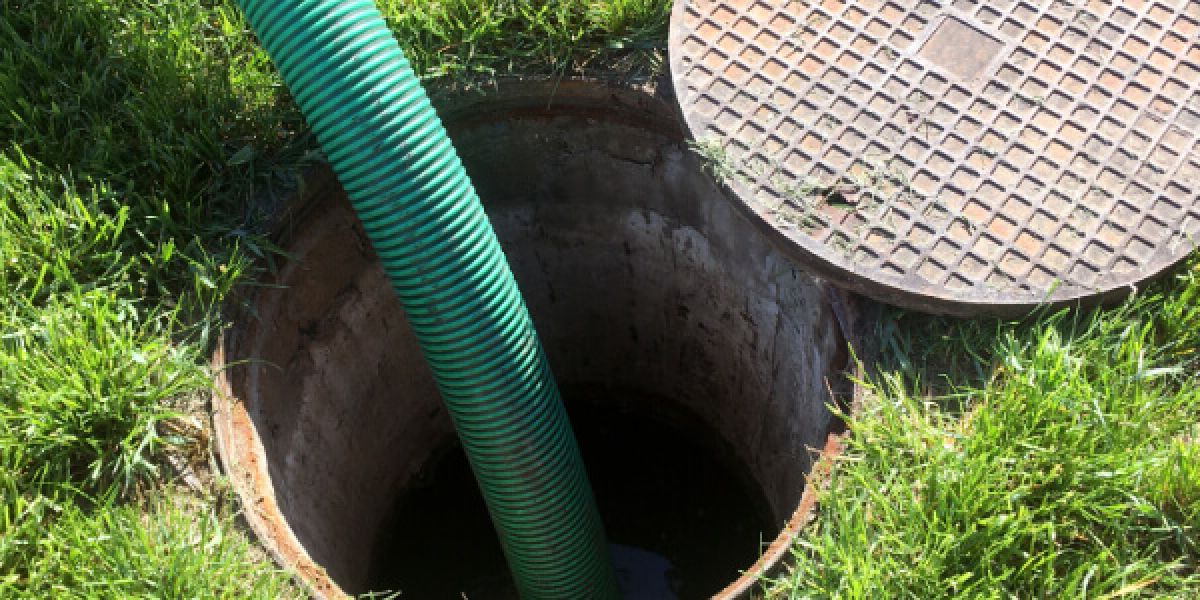
1. The Size of Your Household
This is probably the biggest factor. Living alone? Your tank will probably last longer between pumpings. Got a bustling house with three teenagers, all taking long showers and doing laundry daily? Well, you're putting that septic system through its paces! More people generally means more wastewater, and therefore, a faster accumulation of solids.
Think of it like this: a small coffee cup for one person versus a giant carafe for a busy cafe. The carafe gets refilled and emptied far more often.
2. The Size of Your Septic Tank
This one's pretty intuitive, right? A bigger tank has more capacity to hold solids before it gets too full. Standard residential tanks can range anywhere from 750 to 1,500 gallons, or even larger. Knowing your tank's capacity can give you a better estimate. It's like having a bigger pantry – you can stock up more before needing to go to the store again.

3. Your Water Usage Habits
Are you a water-saver, or do you love those long, hot showers? Every drop of water that goes down your drain eventually makes its way to the septic tank. While it's mostly the solids that dictate pumping, excessive water use can disturb the delicate balance within the tank and push solids out into the drain field prematurely – which is not what you want!
So, being mindful of your water use isn't just good for your utility bill; it's great for your septic system too!
4. What You Put Down the Drain
This is a biggie! Your septic tank is designed to handle human waste and toilet paper (the right kind!). But anything else? It can cause trouble. Things like excessive grease, harsh chemicals, non-biodegradable items ("flushable" wipes are not flushable!), feminine hygiene products, coffee grounds, and cat litter can quickly build up sludge or harm the beneficial bacteria that help break down waste.
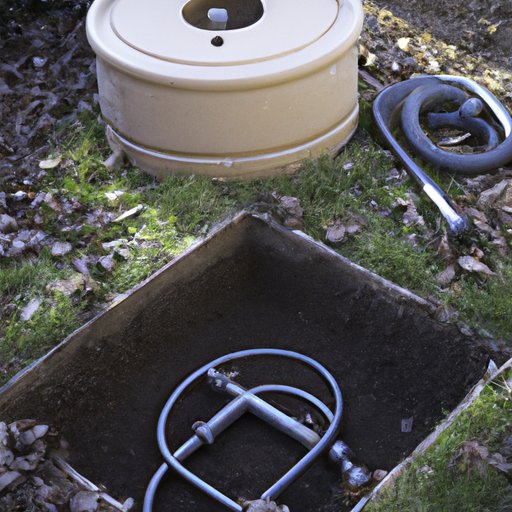
Imagine feeding your house a steady diet of junk food versus healthy, easy-to-digest meals. The septic tank thrives on the latter!
The General Rule of Thumb
Given all those factors, what's a typical timeframe? For most households (think a family of 4 with a 1,000-gallon tank), the recommendation is to have your septic tank professionally inspected and pumped every 3 to 5 years. Some smaller households might stretch it to 7 years, while larger, busier homes might need it every 2-3 years.
However, it's not just about the calendar. A professional inspection will determine the actual accumulation of sludge and scum layers. They can tell you definitively if it's time for a pump-out or if you've still got plenty of room.
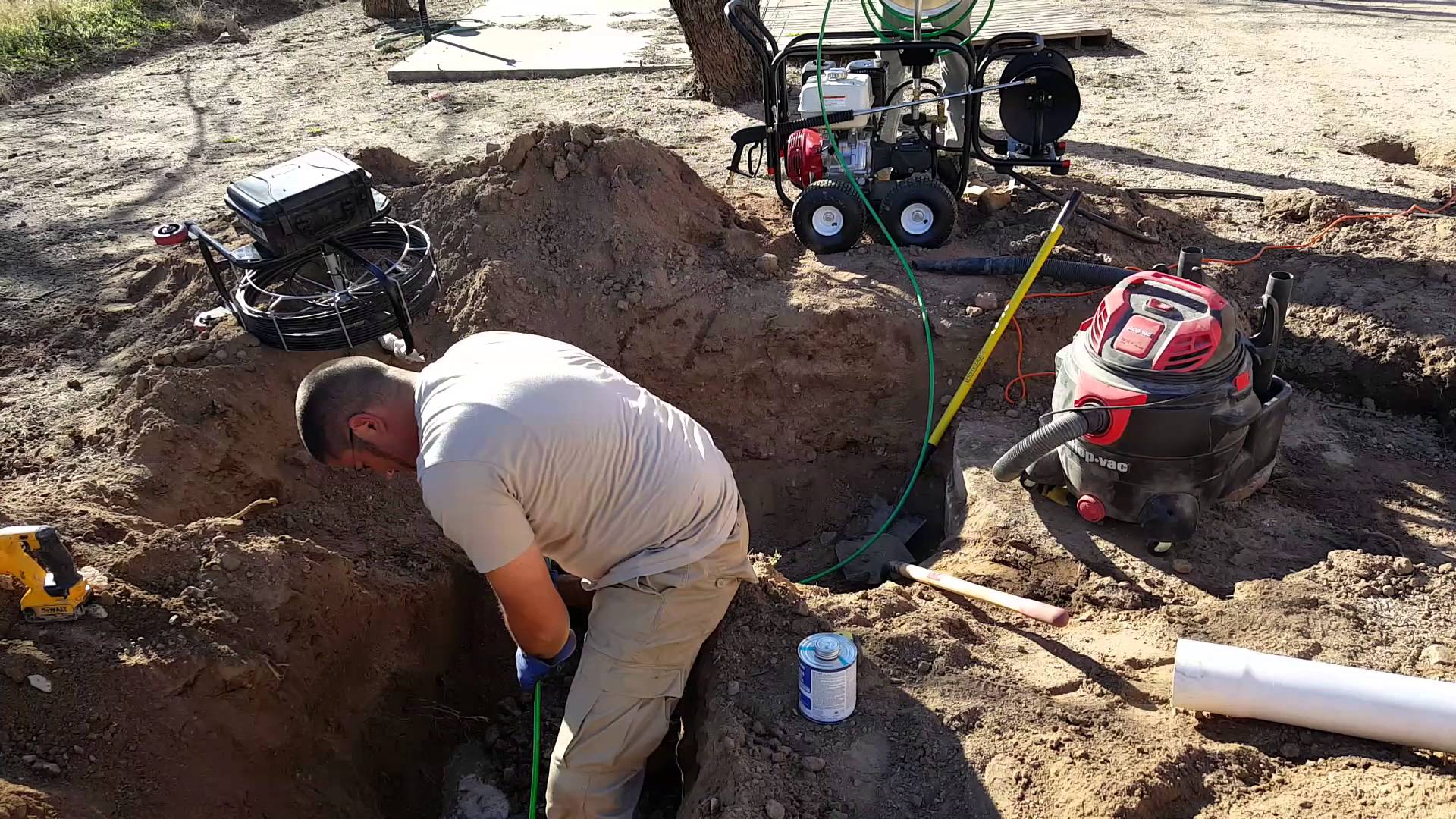
Why Does Regular Pumping Matter So Much?
"Can't I just wait until something goes wrong?" you might ask. And the answer is a resounding no! Waiting until you have a problem is like waiting for your car to break down on the highway before you ever get an oil change. The consequences are far more messy and expensive.
- Prevent Costly Backups: The most obvious (and grossest) reason. An overfull tank can lead to sewage backing up into your home. Nobody wants that!
- Protect Your Drain Field: This is the heart of your septic system's long-term health. If sludge gets pushed into the drain field because the tank is too full, it can clog the soil, leading to irreversible damage that can cost tens of thousands of dollars to repair or replace. Ouch!
- Extend System Life: Regular maintenance is the best way to ensure your entire septic system lasts for decades, as it's designed to.
- Environmental Responsibility: A properly functioning septic system protects local groundwater and surface waters from contamination.
So, What's the Takeaway?
Don't let your septic tank be a mystery! Think of it as an important, albeit hidden, part of your home's infrastructure that deserves a little attention. A quick call to a local septic professional every few years for an inspection and potential pump-out can save you a world of headaches, a ton of money, and ensure your home's personal waste management system runs smoothly for years to come.
It's all about being a smart, curious homeowner, ready to understand the unsung heroes of your house. And now, you're a little bit more in the know about the cool, curious world of septic tanks!