
How Much Water Should A Dehumidifier Collect In An Hour

Alright, so you’ve got this magical box humming away, sucking moisture out of the air. And you’re probably staring at that water collection bucket thinking, “Is this normal? Am I collecting enough? Too much? What’s the deal?!” It’s like watching a really slow-motion, very damp science experiment, isn't it?
You’re not alone. We all do it. We peek into that bucket, wondering if our little moisture-munching hero is pulling its weight. Is it a gentle trickle, a steady stream, or a veritable waterfall? And honestly, the answer to "how much water should a dehumidifier collect in an hour" is probably the most frustratingly true answer in the universe: it depends!
So, How Much Water Should It Be Catching?
Okay, deep breaths. There isn't a single, universal "golden number" for how many ounces or pints per hour your dehumidifier should be pulling. It's not like a car where you expect X miles per gallon. This isn't that kind of party. Think of it more like asking, "How many cookies should I eat in an hour?" Well, how big are the cookies? How hungry are you? What kind of day have you had? See? It’s complicated!
Must Read
But don't despair! We can totally figure out if yours is doing its job, or if it's just, you know, chilling.
Let's Talk Numbers (Sort Of)
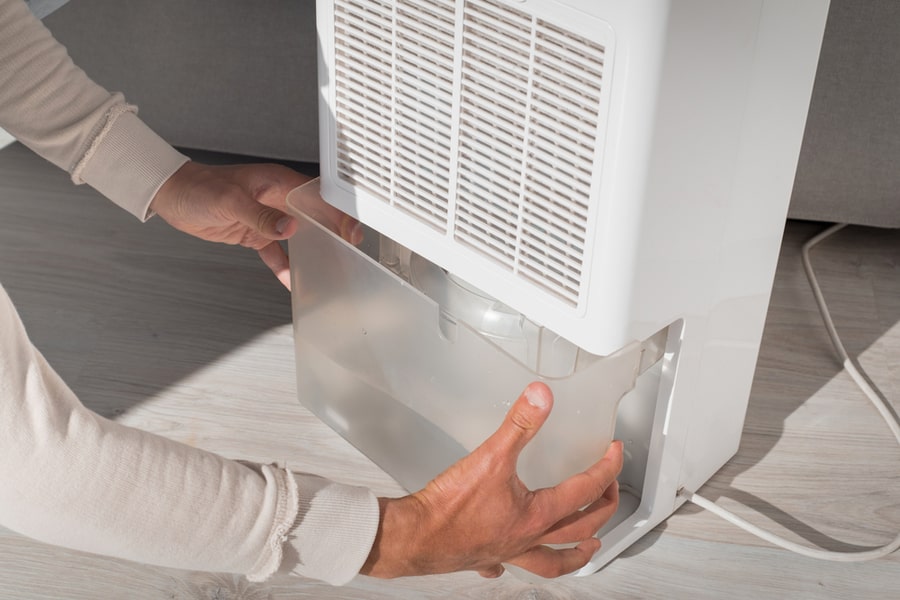
Most dehumidifiers are rated by their Pints Per Day (PPD). This is the amount of moisture they can theoretically remove from the air in 24 hours under very specific, controlled conditions (usually 80°F and 60% relative humidity, which is, let's be honest, probably not exactly your living room vibe). So, if you have a 50 PPD unit, it could collect 50 pints in a full day.
Doing a quick back-of-the-napkin calculation (and trust me, it's rough): a 50 PPD unit, at its absolute peak, would collect about 2.08 pints per hour (50 pints / 24 hours). A 70 PPD unit? That’s closer to 2.9 pints per hour. See? Not exactly a gushing river, but a pretty decent flow.
But here's the kicker: these are ideal conditions. Your house is probably not a lab. So, take those numbers with a generous pinch of salt, a dash of reality, and maybe a tiny umbrella drink.
What's Really Filling That Bucket?
Why isn't it always hitting those PPD targets? Because life, my friend, is messy and full of variables! Here are the big players:
-
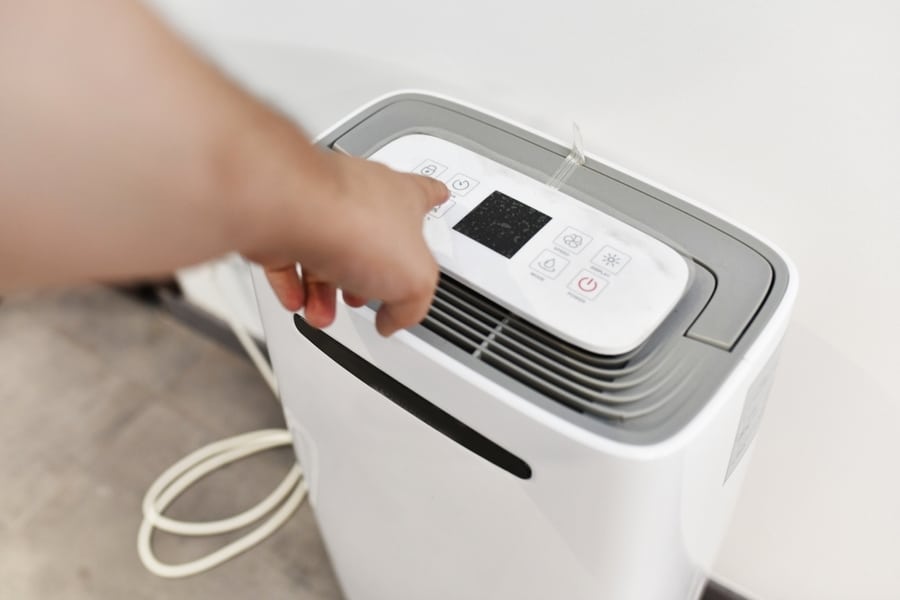
Humidity Levels: Super obvious, right? If your basement feels like a swamp after a particularly rainy week, your dehumidifier is going to be working overtime and collecting a lot of water. If the air is already fairly dry (say, 50% humidity), it's going to collect less. Less water to extract means less water in the bucket. Duh! 😉
How Much Water Should a Dehumidifier Collect in a Day? | ApplianceTeacher -
Temperature: Warm and Juicy. Warmer air holds more moisture. So, a dehumidifier running in a toasty 75°F basement will generally collect more water than one in a chilly 60°F crawl space, even if the relative humidity is the same. It's just easier for the machine to condense water out of warmer air. Science!
-
Dehumidifier Size (PPD, baby!): The Big Kahuna. This is probably the most important factor. A small 20-pint unit simply won't pull as much moisture as a hefty 70-pint beast, no matter how humid it gets. Make sure your unit is sized correctly for your space. Too small, and it's like using a thimble to empty a swimming pool.
-
Area Size & Leakiness: Like Trying to Dry a Leaky Boat. Is your dehumidifier trying to dry a small, sealed bedroom or an entire, drafty basement with a leaky foundation? The larger the area, and the more outside moisture seeps in (through cracks, windows, foundation), the more work your unit has to do, and the more water it will need to collect.

How Much Water Should a Dehumidifier Collect in a Day? - 2025 -
Moisture Sources: The Usual Suspects. Are you showering nearby? Drying laundry indoors? Do you have a small indoor rainforest of plants? Cooking up a storm? All these activities pump moisture into the air, giving your dehumidifier more to work with. If you've got a hidden leak, well, then you might be emptying that bucket a lot.
-
Your Settings: Set It and Forget It (Or Not). If you’ve set your dehumidifier to a target humidity (say, 50%) and the room is already at or below that, it’ll cycle off or just run its fan, meaning zero water collection. If it's on "continuous," it'll run until the bucket is full or it freezes up (which shouldn't happen with modern units, but hey). Your settings totally dictate its output.
The "Ah-Ha!" Moment: When You Know It's Working
When you first fire up a dehumidifier in a genuinely damp space, expect a torrent. The first 24-48 hours might see you emptying that bucket several times a day. This is the machine catching up, pulling out all that stagnant, deep-seated moisture. It’s glorious!
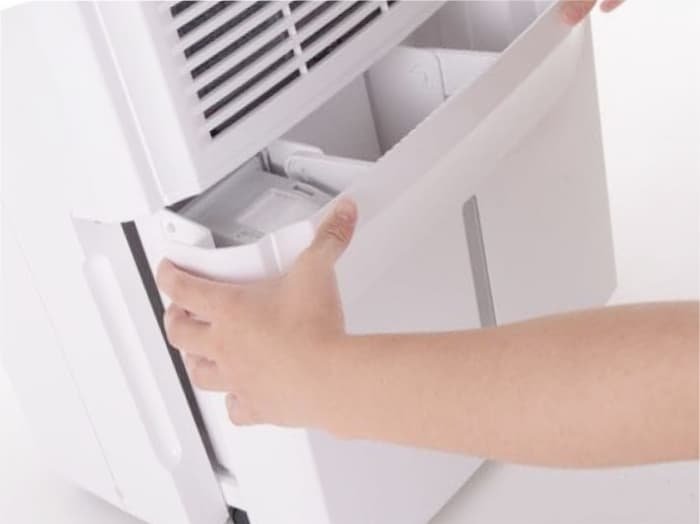
Then, as the humidity drops to your desired level (ideally between 45-55%), the collection rate will naturally slow down. Your dehumidifier will cycle on and off more, maintaining that sweet spot. So, if it starts collecting less after a few days, that’s usually a good sign! It means it’s doing its job, and the air is getting drier.
The real test? How does the air feel? Is it less clammy? Does that musty smell disappear? Is there less condensation on your windows? That, my friend, is the ultimate metric of success, far more telling than a precise hourly pint count.
But What If It's Barely Sipping?
If your dehumidifier, even in a damp room, is collecting barely anything, it might be time for a quick check-up. Is the filter clean? Is the fan running? Is it set to an appropriate humidity level (not too low)? Is the temperature too cold for it to operate efficiently? Sometimes, a quick clean or setting adjustment is all it needs.
So, stop stressing about the exact number of ounces per hour! Focus on the bigger picture: a drier, more comfortable home. Your dehumidifier is a workhorse, and as long as you're feeling the difference, it's doing its thing. Now, go enjoy that crisp, dry air! Maybe with a coffee. Or a cookie. Definitely a cookie.