How Much Water Can A Septic Tank Handle Per Day
Alright, let's talk about that unsung hero lurking beneath your yard: the septic tank. It's a bit like that quiet, diligent friend who always cleans up after everyone, never complains... until suddenly, they're giving you the look. Or, you know, a gurgle that sounds suspiciously like a complaint. The big question, the one that probably keeps you up at night (or at least makes you wonder during a particularly long shower), is: how much water can that hardworking underground buddy actually handle in a day?
It’s a fantastic question, because much like your favorite coffee mug, there's a limit to how much you can pour in. Your septic system isn't a bottomless pit; it's a highly specialized, underground water treatment facility.
Your Septic System: A Team Effort
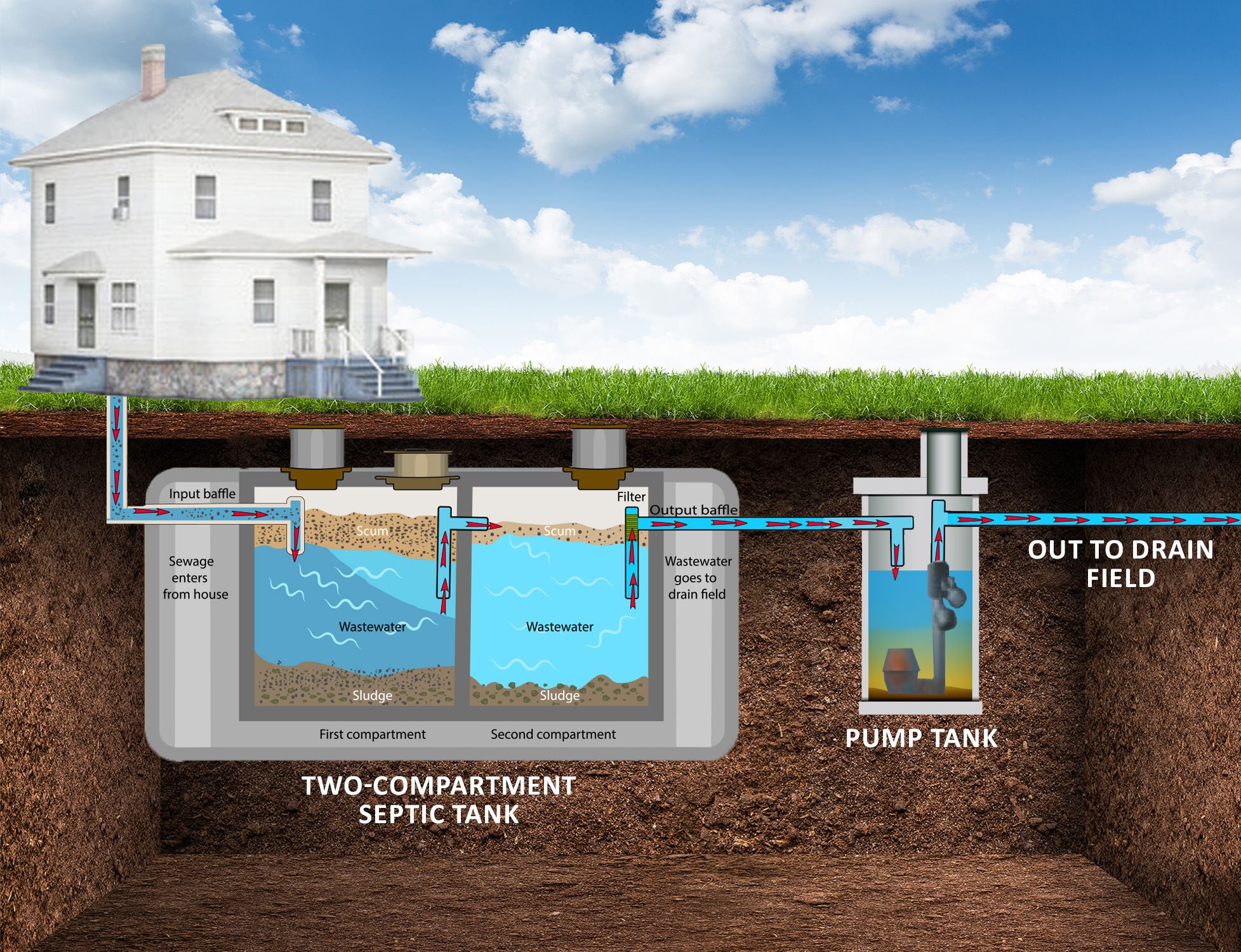
Think of your septic system as a small, dedicated team. You’ve got the septic tank itself, which is like the front office – it takes in all the incoming water and waste, separates the solids from the liquids (the important "pre-screening" phase), and lets the liquids move on. But the real star of the show, the unsung MVP, is the drain field (sometimes called the leach field or absorption field).
Must Read
The drain field is where the magic truly happens. It's a network of pipes and gravel, designed to slowly release that pre-treated wastewater into the surrounding soil, which then acts as a natural filter. Imagine it as a very patient spa day for your wastewater, slowly massaging it back into purity.
So, What's the Daily Quota?
Here's the kicker: there isn't one universal "magic number" that applies to every single septic tank. It’s highly dependent on a few key factors that make your system as unique as your grandma's secret cookie recipe.
Factor #1: Tank Size Matters (Obvs!)
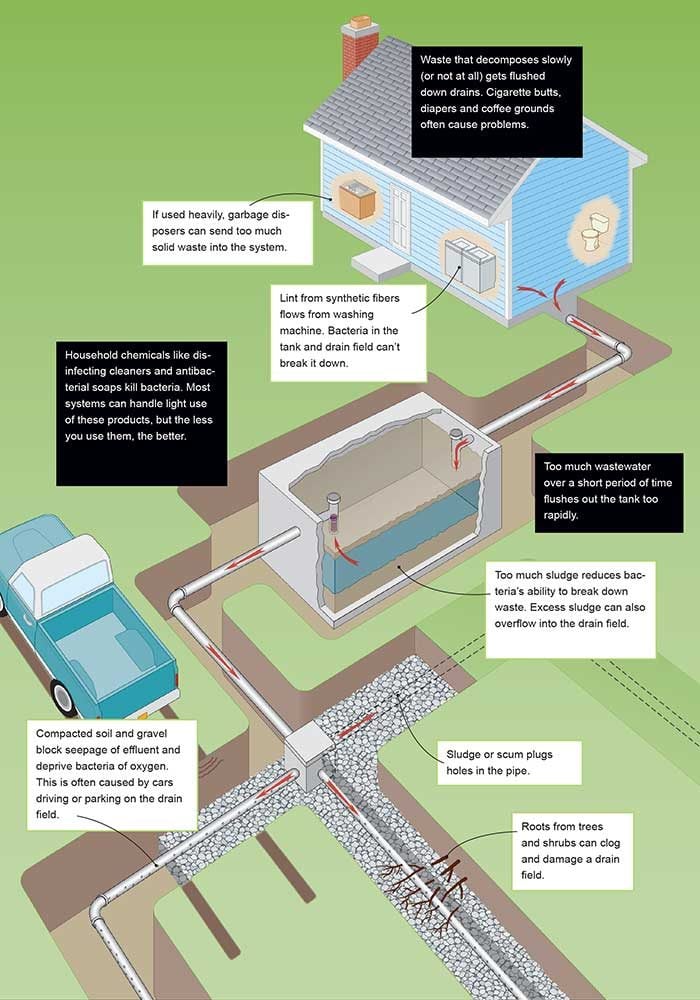
This one's a no-brainer. A small car can't carry as much as a giant moving truck, right? Similarly, a 750-gallon tank can’t handle the same daily deluge as a 1,500-gallon behemoth. Your tank size was typically chosen based on the number of bedrooms in your home, assuming a certain number of occupants and, consequently, a certain amount of daily water usage. It's like sizing up a backpack for a hike – you want it to fit your needs, not overwhelm it.
Factor #2: The Drain Field's Personality (Soil Type)
This is perhaps the most crucial factor. The drain field's capacity to absorb water is entirely dependent on the soil it's sitting in.
- If you've got lovely, sandy soil, it's like a thirsty sponge – water zips right through, getting filtered along the way. Your drain field is basically a speed demon.
- But if you're dealing with dense, clay-heavy soil, it's more like trying to push water through a brick. It takes its sweet time, absorbing slowly, almost grudgingly. This means a clay-filled drain field has a much lower daily capacity than a sandy one. Pushing too much water into clay is like trying to force a square peg into a round hole – it just won't go, and you'll end up with a watery mess.
Factor #3: Your Household's Water Habits (The Water Olympics)
Ah, yes, the human element. This is where most septic systems get a real workout. Imagine everyone in the house decides to run the dishwasher, take a long, hot shower, and do three loads of laundry – all at the same time. That's not just a Tuesday morning; that's the Septic System Water Olympics!
Each person in a household generally contributes to about 50-75 gallons of water usage per day. So, a family of four could be sending 200-300 gallons down the drain daily. If your system is designed for, say, 300 gallons, and suddenly everyone goes wild with water, you're easily going to push it past its comfort zone. It's like asking a small car to tow a huge RV – it might do it for a bit, but it won't be happy, and something will eventually give.

What Happens When You Overdo It?
When you flood your septic system with too much water, too quickly, it's like throwing a wrench into its carefully planned operation. The tank doesn't have enough time to separate the solids, and the drain field gets overwhelmed. It can't absorb the water fast enough, leading to:
- Gurgling drains: Your pipes literally complaining.
- Slow fixtures: Drains that take forever, like they're on permanent vacation.
- Soggy spots in the yard: Especially near the drain field – the ultimate red flag! This isn't just mud; it's usually untreated wastewater pooling. Gross.
- Unpleasant odors: The smell of defeat, usually followed by the smell of sewage.
Being a Septic Whisperer: Tips for a Happy Tank
Don't fret! Being a good septic system owner is all about being mindful. It's not about giving up modern conveniences, but rather being a bit strategic.
- Stagger your water use: Don't run the dishwasher, washing machine, and shower all at once. Spread it out like you're scheduling appointments.
- Fix those leaks: A constantly dripping faucet or a running toilet isn't just annoying; it's a silent saboteur, sending hundreds of extra gallons to your system daily.
- Embrace low-flow: Think low-flow toilets and showerheads. They're not just for tree-huggers; they're for septic-huggers too!
- Know your system: If you're unsure about your tank size or drain field type, consider getting a professional inspection. Knowledge is power, especially when it comes to underground infrastructure.
Ultimately, your septic tank is a faithful servant, but it’s not superhuman. It needs your cooperation to do its job efficiently. By understanding its limitations and giving it a little breathing room, you'll ensure it keeps quietly doing its thing, keeping your home functional and your yard... well, not swampy.