How Much Tax Is On A Gallon Of Gasoline

Ever pulled up to the gas pump, watched the numbers spin, and thought, "Wow, that's a lot for a liquid!"? We all do it. But have you ever paused to wonder what exactly you're paying for beyond the crude oil and refinery costs? It turns out, a pretty significant chunk of that price tag on every gallon is dedicated to taxes. Exploring this isn't just about money; it’s a fascinating peek into how our daily lives are funded and how governments work. It’s a bit like uncovering a hidden ingredient in your favorite recipe – suddenly, everything makes more sense, and you appreciate the whole dish a little more!
So, what’s the purpose of these taxes, and what benefits do they bring? Simply put, gasoline taxes are primarily an excise tax, meaning they are levied on the purchase of a specific good or service. The main goal? To fund our vast and complex transportation infrastructure. Think about it: the roads you drive on, the bridges you cross, the highways that connect our towns and states – these aren't free. Gasoline taxes, both federal and state, are earmarked to maintain, repair, and expand these vital arteries of our society. It’s a classic "user pays" system, where those who use the roads more (and thus buy more fuel) contribute more to their upkeep. The benefits are clear: safer roads, smoother commutes, and reliable transportation networks that keep our economy moving and connect communities.
Understanding gasoline taxes isn't just for economists; it has surprising applications in education and daily life. In an economics class, it's a perfect example of government revenue, excise taxes, and how they impact consumer behavior and market dynamics. In civics, it illustrates how public goods are funded and how citizens contribute to collective well-being. For environmental science students, it can be discussed as a mechanism to potentially discourage fuel consumption, promoting fuel efficiency and alternative energy sources. In our daily lives, knowing about these taxes empowers us. When you plan a road trip, you can better estimate costs. When you see a new road being built or a pothole being fixed, you can connect it back to these contributions. It even makes us more informed voters when discussing infrastructure spending or proposals for new transportation initiatives.
Must Read
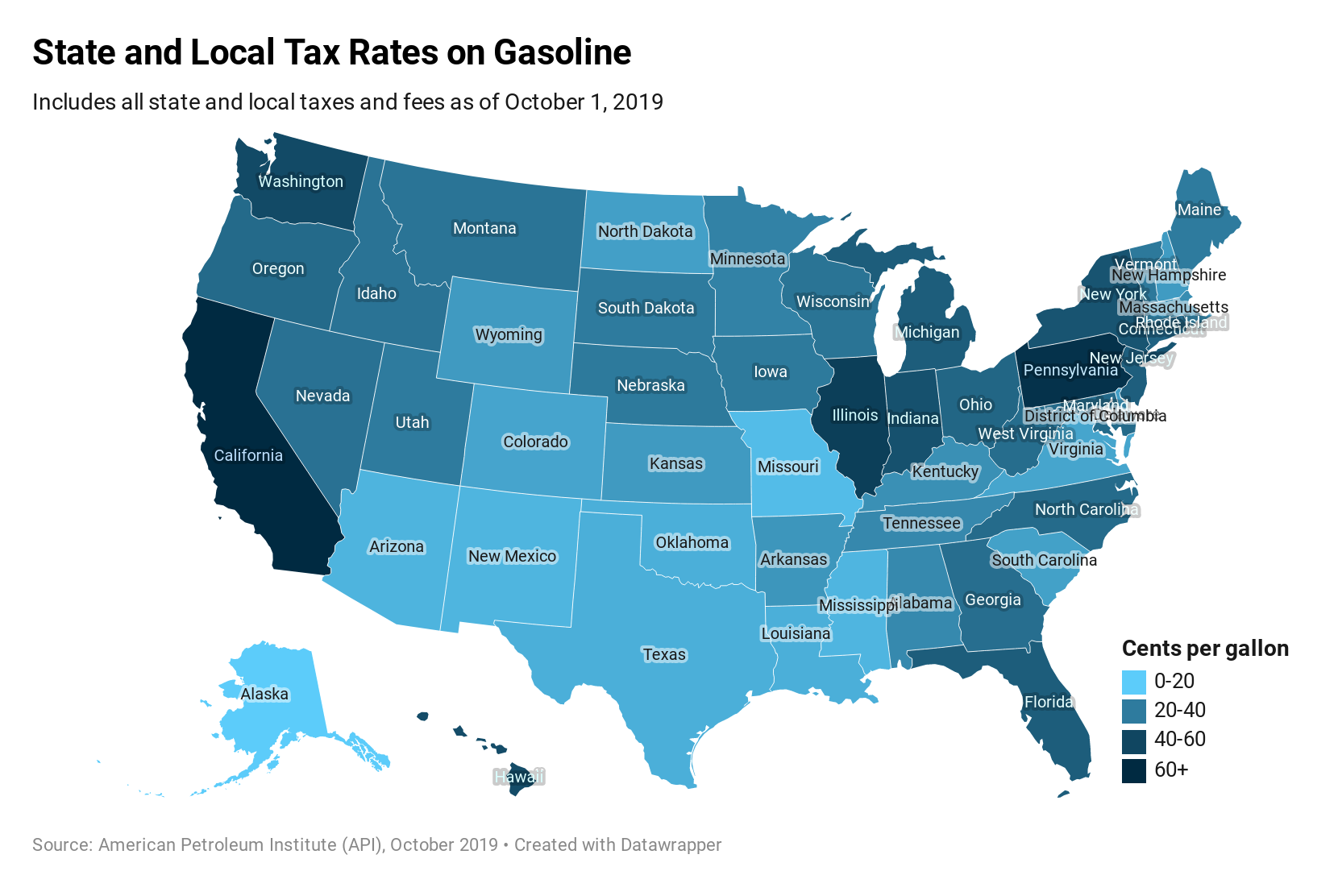
Want to become a bit of a citizen economist and explore this further? It's easier than you think! Next time you fill up, take a moment to look at your receipt. Some gas stations itemize the taxes, giving you a direct look at the federal and state contributions. A quick search online for "gasoline tax rates by state" will reveal a fascinating map showing how much your neighbors in different states pay. You might be surprised at the variation! You could also compare prices when crossing state lines and try to deduce the tax difference. Becoming aware of these taxes can make you more observant of road conditions and municipal projects, making you feel more connected to how your money is used. It's a simple, yet powerful, way to better understand the world around us and the journey our dollars take.