
How Much Should I Feed My Husky Puppy
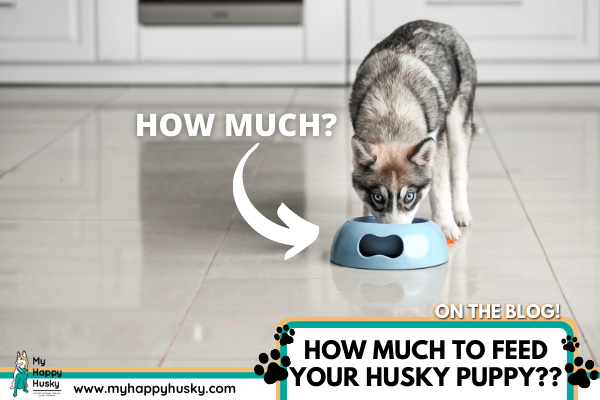
So, you've welcomed a fluffy, blue-eyed, howling tornado into your life? Congratulations on your new Husky puppy! Now comes the slightly less glamorous, but equally important, part: figuring out how to keep that little energy ball properly fueled.
Forget trying to decipher cryptic dog food bag instructions that seem to be written in ancient alien languages. We're going to tackle Husky puppy feeding with a smile (and maybe a little bit of sanity).
The Great Husky Food Math Mystery
Alright, let's talk numbers. You’ll see guidelines on those food bags, advising you to feed based on age and weight. These are guidelines, people, not gospel! Think of them more like friendly suggestions from a well-meaning, but slightly out-of-touch, aunt.
Must Read
Your Husky puppy isn't a robot; they're an individual. Some puppies are naturally ravenous, inhaling their food like a tiny, furry vacuum cleaner. Others are more refined, taking their sweet time and leaving you wondering if they even like the food.
The important thing is to look for "Puppy" food that is good quality.
Decoding Your Puppy's Appetite
So, how do you know if you're hitting the sweet spot? Observe! Watch your Husky puppy's behavior after meals. Are they bouncing off the walls with unbridled joy? That might mean they're getting plenty of fuel.
Are they leaving food in the bowl consistently? Maybe you're overfeeding them. It’s a delicate dance of observation and adjustment.
Another good method is to feel for their ribs. You should be able to feel their ribs without pressing too hard, but they shouldn't be prominently visible.
The "Am I Starving My Puppy?" Panic
Let's be honest, every new puppy owner has that moment. You stare at your adorable Husky puppy, those big, pleading eyes gazing up at you, and you think, "Am I starving my poor baby?" Relax, it's normal!
Huskies are naturally lean dogs, designed for endurance. They don't need to be chubby little butterballs to be healthy. A healthy, active Husky puppy will likely look thinner than you might expect.
Think of them like Olympic athletes in training. They’re all about lean muscle and efficient energy.
The Food Diary: Your New Best Friend
Consider keeping a food diary. Write down how much you're feeding your Husky puppy, when you're feeding them, and how they react. This simple trick can be a lifesaver when you're trying to fine-tune their diet.
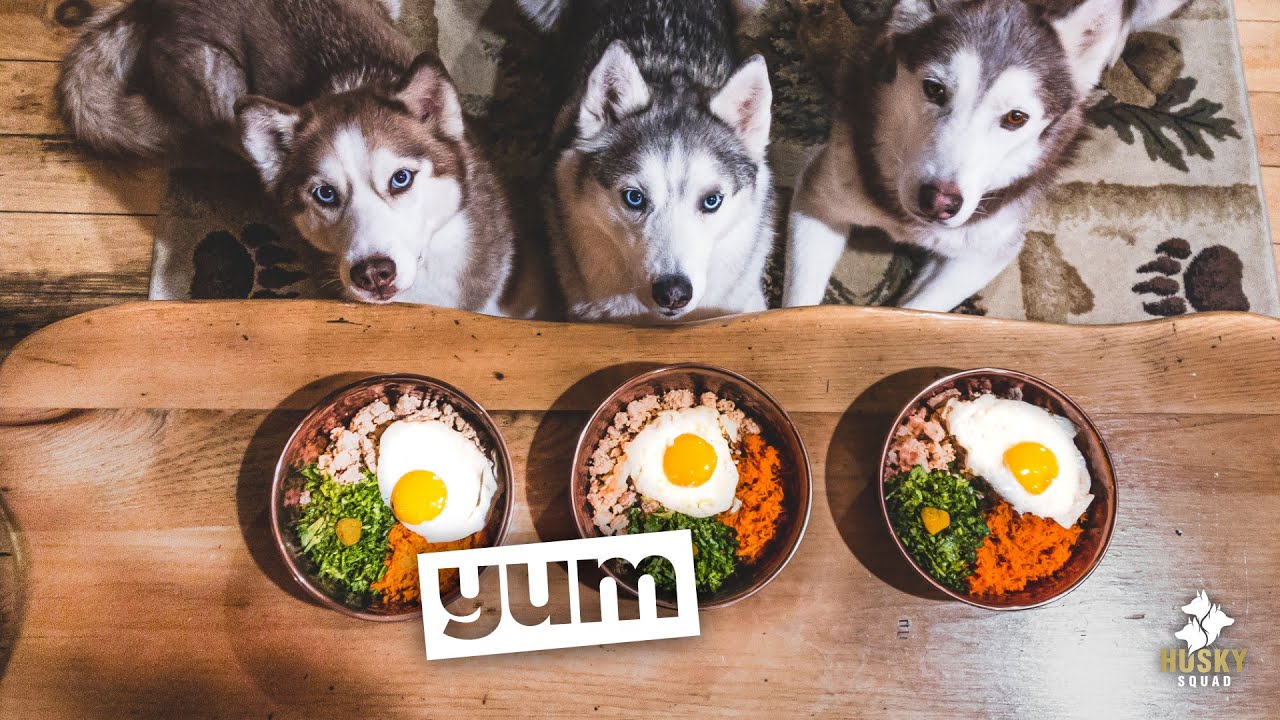
Note their energy levels, their poop consistency (yes, we're going there!), and anything else that seems relevant. Over time, you'll start to see patterns and understand your Husky puppy's individual needs.
Plus, it gives you something to talk about at parties! "Oh, you won't believe what happened with Fluffy's poop today..."
The Snack Attack: Treats and Training
Treats are an essential part of Husky puppy training. They're like tiny, edible bribes that motivate your puppy to sit, stay, and (hopefully) not chew on your favorite shoes.
But remember, treats count as calories! Don't go overboard. Opt for small, healthy treats and factor them into your overall feeding plan.
Think of treats as mini-meals. If you're giving your Husky puppy a lot of treats throughout the day, you might need to reduce the amount of food you give them at mealtimes.
The "But He's SO Cute!" Factor
This is where things get tricky. Those Husky puppy eyes are weaponized cuteness. They're designed to melt your heart and convince you to give them everything they want.
Resist the urge to overfeed out of pure adoration. A healthy Husky puppy is a happy puppy, and that means sticking to a balanced diet, even when those eyes are working their magic.
Distract yourself with photos of baby seals. Or maybe just lock the treat jar. Whatever works!
When to Call in the Professionals
If you're truly concerned about your Husky puppy's weight or eating habits, don't hesitate to consult your veterinarian. They can assess your puppy's overall health and provide personalized recommendations.

Your vet can also help you choose the best type of food for your Husky puppy, taking into account their age, breed, and any specific health concerns.
Think of your vet as your Husky puppy feeding guru. They're there to guide you and ensure your furry friend is thriving.
The Bottom Line: Trust Your Gut (and Your Puppy's Gut)
Ultimately, feeding your Husky puppy is a journey of discovery. There's no one-size-fits-all answer. It's about paying attention, being flexible, and trusting your instincts.
Learn to read your Husky puppy's cues. Observe their behavior, monitor their weight, and adjust their diet accordingly.
And remember, a little bit of love and patience goes a long way. Enjoy the process of getting to know your new furry friend, and don't be afraid to laugh at the occasional feeding mishaps. After all, it's all part of the adventure of Husky puppy ownership!
Hydration is Key
Let's not forget about water! Access to fresh, clean water is just as crucial as food. Ensure your Husky puppy always has a readily available water bowl.
Especially after exercise. They need to keep well hydrated.
Consider using a spill-proof bowl, especially if your Husky puppy is particularly enthusiastic about splashing. Trust me, you'll thank me later!
Mealtime Manners (or Lack Thereof)
Some Husky puppies are polite and dainty eaters. Others? Well, let's just say they approach mealtime with the enthusiasm of a Viking horde descending upon a village.
If your Husky puppy is a messy eater, consider using a raised food bowl. This can help reduce spills and make it easier for them to eat comfortably.

You can also try feeding them in a designated area, like a tiled corner of the kitchen, to make cleanup easier. Invest in a good mop – you'll need it!
The Picky Eater Predicament
What happens if your Husky puppy turns up their nose at their food? Don't panic! Picky eating is common in puppies.
Try mixing a small amount of wet food with their dry food to make it more appealing. You can also try adding a little bit of warm water to their food to enhance the aroma.
If your Husky puppy consistently refuses to eat, consult your veterinarian to rule out any underlying medical conditions.
Slow Feeders for Speedy Eaters
If your Husky puppy inhales their food in seconds, a slow feeder bowl might be a good investment. These bowls have built-in obstacles that force your puppy to eat more slowly.
This can help prevent bloat, a potentially life-threatening condition that's more common in large-breed dogs.
Plus, it gives you a few extra minutes of peace and quiet while your Husky puppy is occupied!
Rotating Proteins: Keeping Things Interesting
Some owners like to rotate their Husky puppy's protein sources to provide a variety of nutrients and prevent allergies from developing.
For example, you could switch between chicken, beef, and fish-based puppy foods. Just be sure to introduce new foods gradually to avoid upsetting their stomach.

Think of it as giving your Husky puppy a culinary adventure! Bon appétit!
Food Puzzles: Mental Stimulation at Mealtime
Food puzzles are a great way to keep your Husky puppy mentally stimulated while they eat. These puzzles require your puppy to work for their food, which can help prevent boredom and destructive behaviors.
There are many different types of food puzzles available, from simple rolling toys to more complex interactive games.
Plus, watching your Husky puppy try to figure out how to get the food out of the puzzle is endlessly entertaining!
The Midnight Snack Myth
While it's tempting to give your Husky puppy a midnight snack, it's generally best to stick to a consistent feeding schedule. Avoid feeding them late at night, as this can disrupt their sleep and make it harder to housetrain them.
If your Husky puppy seems hungry between meals, try giving them a healthy chew toy to keep them occupied.
Remember, a well-fed Husky puppy is a happy (and sleepy) Husky puppy!
Adjusting for Activity Levels
If your Husky puppy is particularly active, you may need to adjust their food intake to account for their increased energy expenditure.
Conversely, if your Husky puppy is less active, you may need to reduce their food intake to prevent them from becoming overweight.
It's all about finding the right balance to keep your Husky puppy healthy and happy!