
How Much Rain Can Cause A Flash Flood
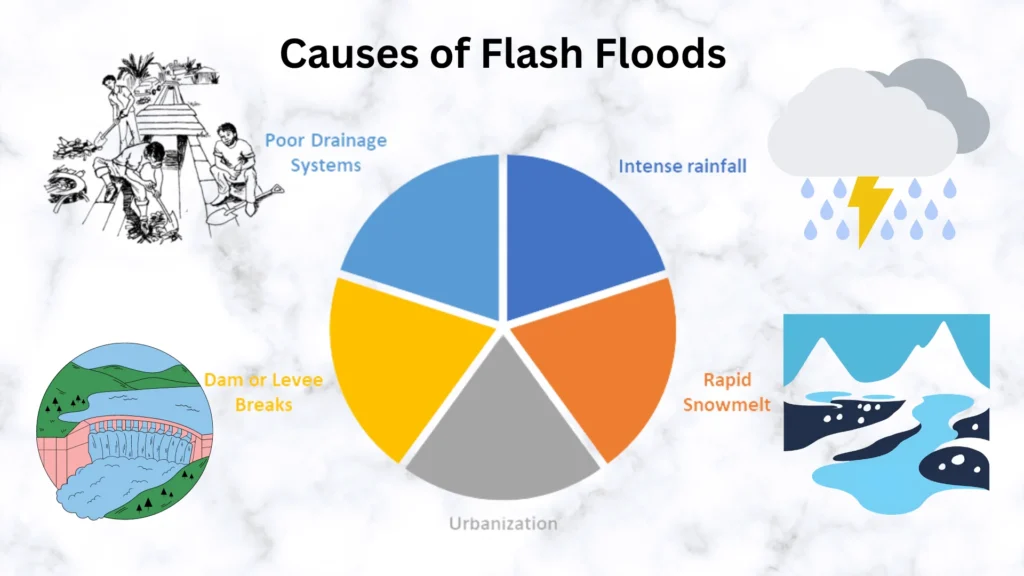
You know that feeling, right? You wake up, it’s a bit cloudy, maybe a gentle sprinkle. "Ah, a cozy rain day," you think, sipping your coffee. Then, out of nowhere, the sky decides it's auditioning for a disaster movie, and your street starts looking less like a street and more like a brand-new, very unwanted river. That, my friends, is often our first clue that Mother Nature has turned up the faucet a little too high, and we might be heading for a flash flood party.
So, how much rain is "too much rain"? It's not always a simple answer like, "Oh, exactly 3.7 inches per hour!" If only weather was that predictable, we'd all be wearing tiny rain gauges on our hats. Instead, it's a bit like baking a cake – lots of ingredients go into it, and if one gets a bit out of whack, you might end up with a soggy mess instead of a masterpiece.
The Great Sponge Analogy
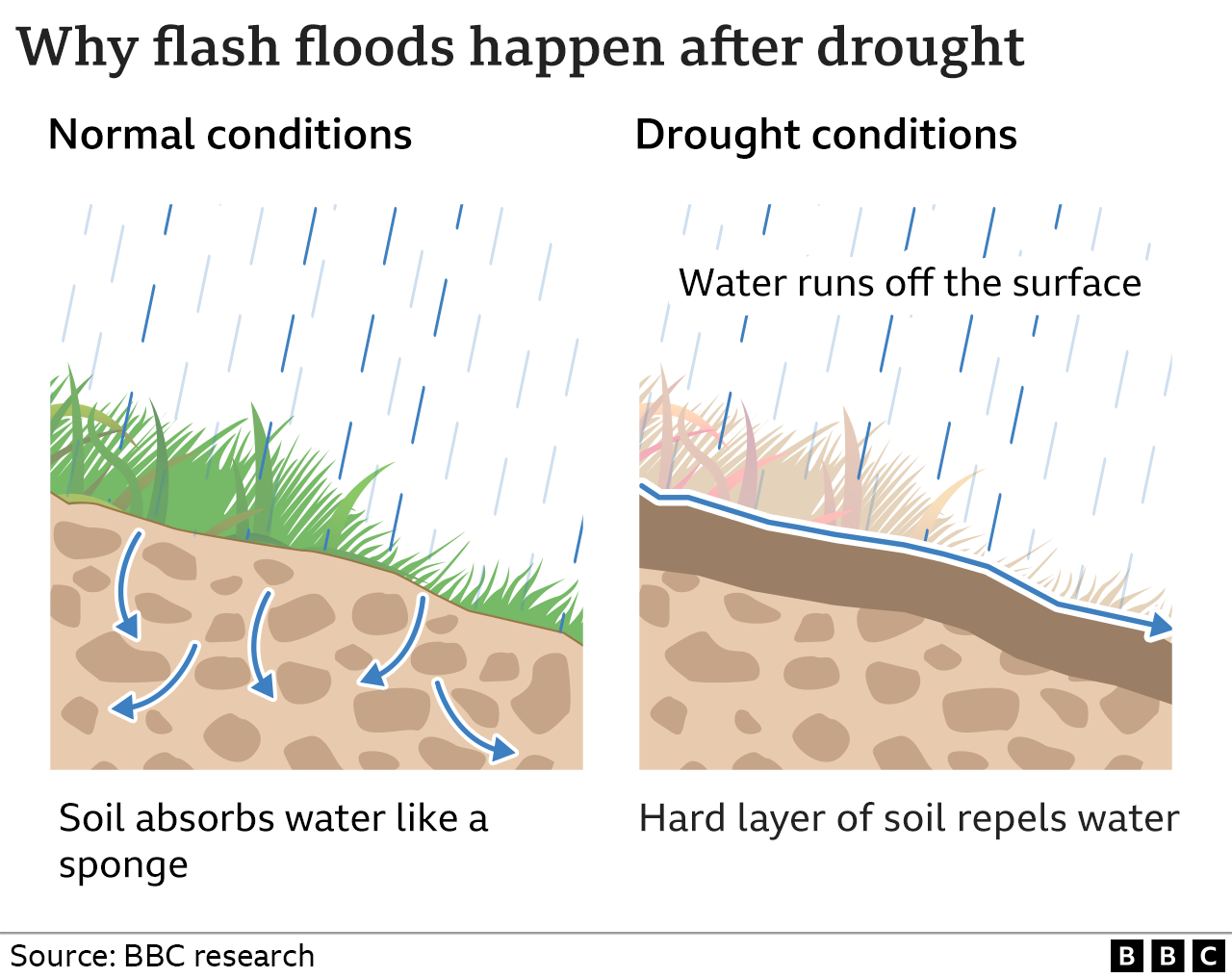
First up, let's talk about the ground. Imagine your backyard is a giant, thirsty sponge. It can soak up a lot of water. But what happens when that sponge is already full to bursting from yesterday's downpour? Any new water just sits on top, or worse, runs right off. That, my friends, is ground saturation in a nutshell. If the ground is already squishy and waterlogged, it takes way less new rain to create a watery runaway train.
Must Read
It's like trying to force one more tiny drop into an already overflowing cup of tea. It's just going to spill. And when it spills on a large scale, that's where the trouble starts.
The Urban Jungle vs. The Open Field
Now, let's consider where you live. Are you in a concrete jungle or surrounded by rolling hills and open fields? This makes a huge difference.
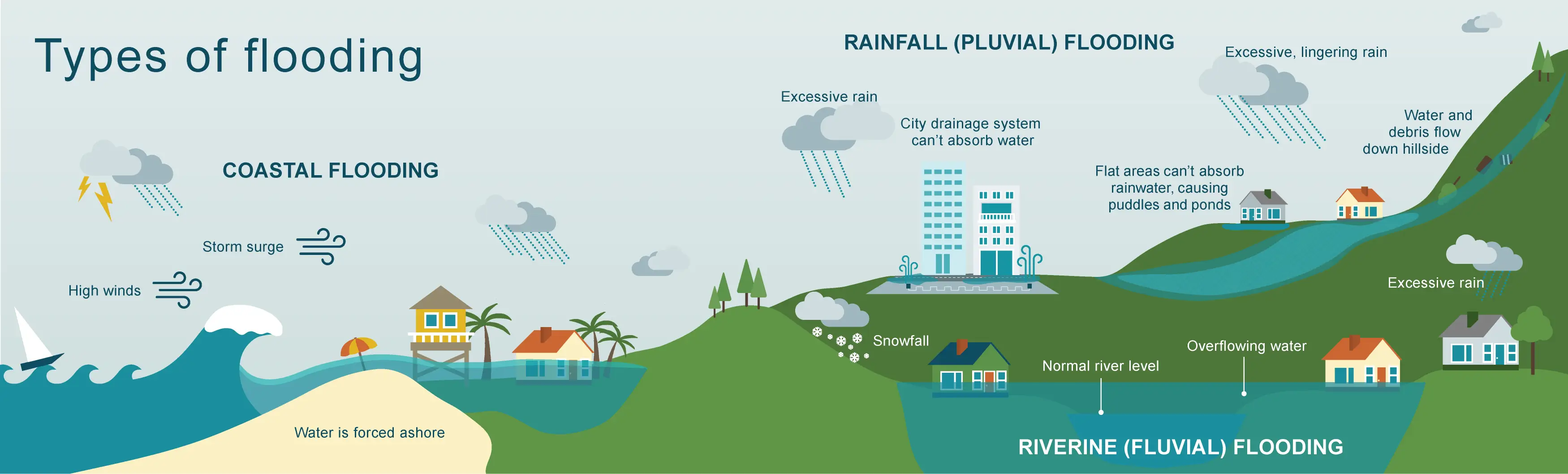
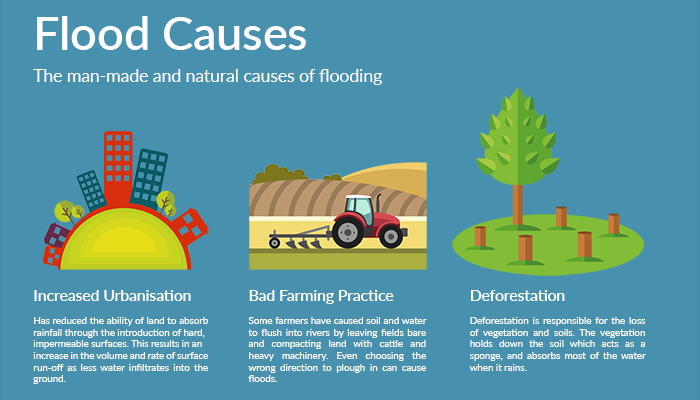
In the city, we've got miles of concrete, asphalt, buildings, and perfectly manicured lawns that don't always want to be soggy. Where does the water go? It's like trying to water your garden with a firehose on a tiled patio. The water has nowhere to soak in, so it just gangs up, forms little aquatic protest groups, and then... whoosh! It's off to create its own express lane down the street, often overwhelming storm drains faster than you can say, "Is that my neighbor's garden gnome floating by?"
Think of it this way: a city is essentially a giant, sloping Slip 'n Slide for water, only without the fun and inflatable ring. All those hard, impermeable surfaces mean that a relatively small amount of intense rain can quickly turn into a raging river through the streets.

Out in the countryside, however, fields, forests, and natural soil act like giant, patient sponges (when not already saturated, of course). They can absorb a lot more water before crying uncle. So, the same amount of rain that causes chaos in downtown may just be a good drink for the thirsty crops in the next county over.
The Speed Demon: "Flash" for a Reason
The "flash" in flash flood isn't just for show. It's because these things can go from "mildly inconvenient puddle" to "sudden raging torrent" faster than you can say, "I think I left my umbrella inside!"
Often, it's not just the total amount of rain, but how fast it falls. Imagine filling a bucket with a tiny drip versus turning on the fire hydrant. Both can fill the bucket, but one does it in an instant. A sudden, intense downpour – we're talking inches in an hour – especially over already wet ground or in an urban area, is the recipe for disaster. It doesn't give the water a chance to go anywhere politely.
Rain falling at rates of 1-3 inches per hour, or even more, is a big red flag. Especially if it keeps up for a while. That's when streams can burst their banks, dry creek beds suddenly become roaring rapids, and underpasses decide to play submarine.
Anecdotes from the Sidelines
We've all seen it, haven't we? That one car, bravely, or perhaps foolishly, attempting to drive through what's clearly become a small lake. Only to regret it about 30 seconds later when their engine decides to take an unplanned swim. Or the sudden rush of water over a curb that wasn't there five minutes ago, making you wonder if your street just decided to rebrand as a canal.
These are the moments when you just know. The air feels heavy, the rain isn't just falling, it's attacking, and the drainage system looks utterly defeated. It’s that universal "Oh, wow, this is getting serious" moment that connects us all in the face of nature’s watery tantrums.
The Bottom Line: Don't Be a Hero
So, while there’s no magic number for "flash flood rain," it's a combination of intensity, duration, and the environment. The important takeaway? If it looks like too much rain, it probably is. If you see water rising rapidly, especially in low-lying areas, or hear thunder that sounds like the sky is falling, pay attention.
And please, for the love of dry socks, remember the golden rule: Turn Around, Don't Drown. No amount of "I'm in a hurry" is worth becoming part of a flash flood anecdote for someone else. Your car is not a boat, and those "puddles" might be much deeper than they look. Stay safe, stay dry, and maybe invest in some really good waterproof boots – just in case that innocent sprinkle turns into an unexpected river cruise.