
How Much Nano Hydroxyapatite Is In Boka Toothpaste

Okay, let's talk toothpaste. Specifically, Boka. You know, the one everyone's raving about? It's supposed to be the cool cousin of regular fluoride toothpaste, all thanks to this ingredient called nano-hydroxyapatite (n-Ha). But how much of this magical stuff is actually in there? That's the question bouncing around my brain lately.
The Nano-HA Hype: Real or Just Really Good Marketing?
We've all been there. We see a shiny new product, bombarded with buzzwords like "revolutionary" and "clinically proven." Suddenly, our old faithful feels… inadequate. Is Boka, with its fancy n-Ha, really that much better? Or are we just suckers for clever marketing?
Look, I'm not a dentist, or a scientist. I'm just a regular person who brushes my teeth (hopefully) twice a day. But something about the whole n-Ha thing got me thinking. We're told it's amazing for remineralizing teeth, even better than fluoride in some ways. But nobody seems to be shouting from the rooftops about the amount in Boka.
Must Read
It's like ordering a pizza and being told it has "premium cheese," but you don't know if they sprinkled three strands of mozzarella or actually piled it high. Details matter, people!
The Great Ingredient List Deep Dive
So, I did what any self-respecting, mildly skeptical consumer would do: I squinted at the tiny ingredient list on the Boka box. It's there, nestled amongst the water, xylitol, and other things I can’t pronounce. But...no specific percentage. Just "nano-hydroxyapatite." That's it. Cryptic, isn't it?
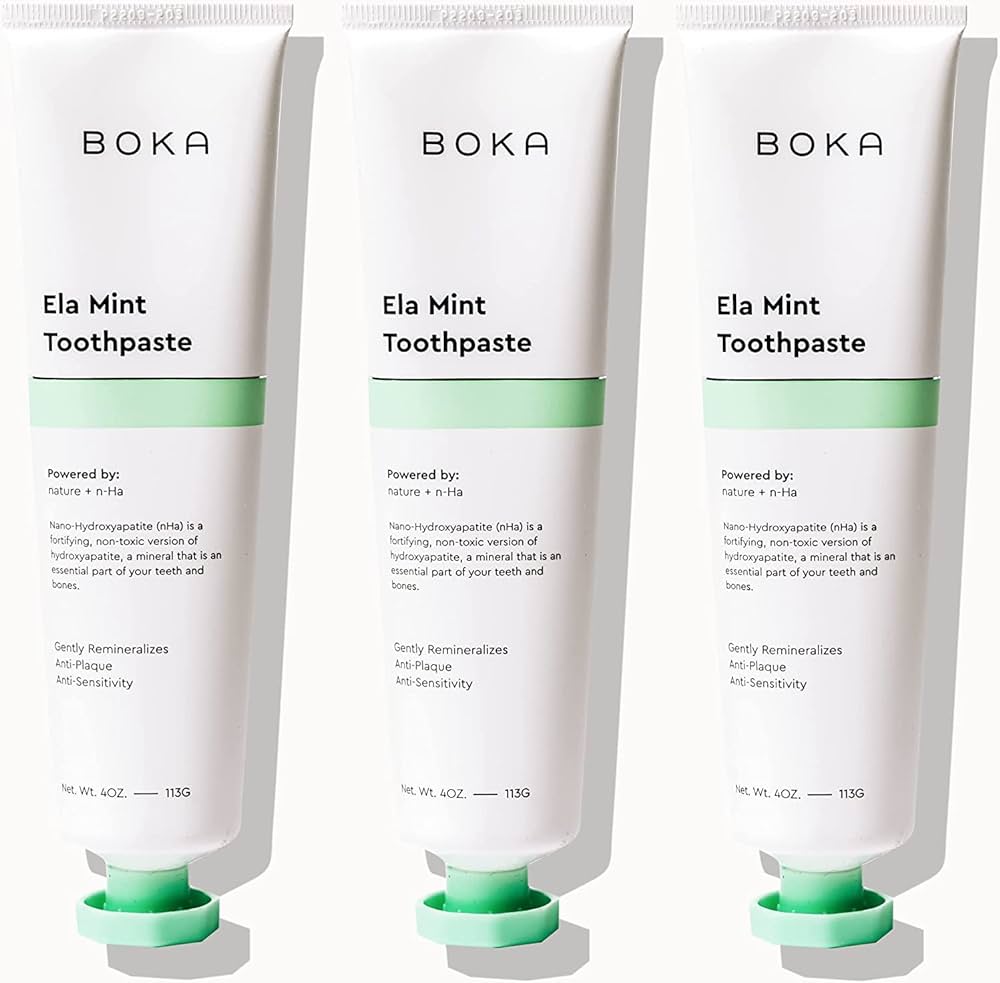
Now, I'm not saying Boka is hiding anything nefarious. But transparency, my friends, is key! We deserve to know what we're slathering on our pearly whites. Is it a hefty dose of n-Ha, truly rebuilding our enamel with every brush? Or is it more of a, "we sprinkled some in there, just for kicks" situation?
I've seen the percentages for nano-hydroxyapatite in other toothpastes. Some clearly state they contain, say, 10% or 15%. That gives you a benchmark. A reference point. With Boka, we're flying blind.

An Unpopular Opinion: Is Less Really More?
Here's where my unpopular opinion comes in. I'm not entirely convinced that less nano-hydroxyapatite is necessarily a good thing. Sure, maybe a tiny amount is enough to make a difference. Maybe it's super potent stuff. But call me old-fashioned, I like to know what I'm paying for.
It's like ordering a decaf coffee. You hope they actually used decaf beans. You trust they didn't just give you regular coffee and whisper, "it's decaf now." But a little more transparency would be appreciated, wouldn't it?

Now, don't get me wrong, I'm not hating on Boka. The packaging is sleek. The taste is pleasant (ish). And maybe, just maybe, it's secretly working miracles on my teeth. But I can't help but wonder if the amount of nano-hydroxyapatite is proportional to the hype. Or if it's all just a little...toothpasty magic.
Maybe I'm overthinking it. Maybe I should just trust the process and enjoy the minty freshness. But until I see some concrete numbers, I'll remain a teensy bit skeptical. And that, my friends, is my tooth truth.
Perhaps Boka could enlighten us all with a little more detail? Pretty please?
In the meantime, I'll keep brushing, keep flossing, and keep pondering the mysteries of nano-hydroxyapatite. And maybe, just maybe, I'll start mixing my own toothpaste. Now that would be revolutionary!
