How Much Is Life Alert A Month For Seniors

Ah, the golden years! A time for leisure, grandchildren, perhaps a new hobby, and certainly not a time for worrying about unexpected tumbles or medical emergencies when you’re home alone. That’s where services like Life Alert come into play, offering a safety net that many seniors and their families truly value. It's not just about a button; it's about preserving independence, enjoying the comfort of your own home for longer, and having that crucial peace of mind that help is always just a press away.
The core purpose of these personal emergency response systems is beautifully simple: to provide rapid assistance in an emergency, especially when you might be unable to reach a phone. Think of it as your own personal guardian angel, ready to dispatch help 24/7. Whether it’s a slip in the shower, a sudden dizzy spell, or even an unexpected intruder, pushing that button connects you instantly to trained professionals who can assess the situation and get you the exact help you need, whether that's an ambulance, the fire department, or even just a call to a loved one. It’s a powerful tool that allows seniors to maintain their desired lifestyle with an added layer of security and confidence.
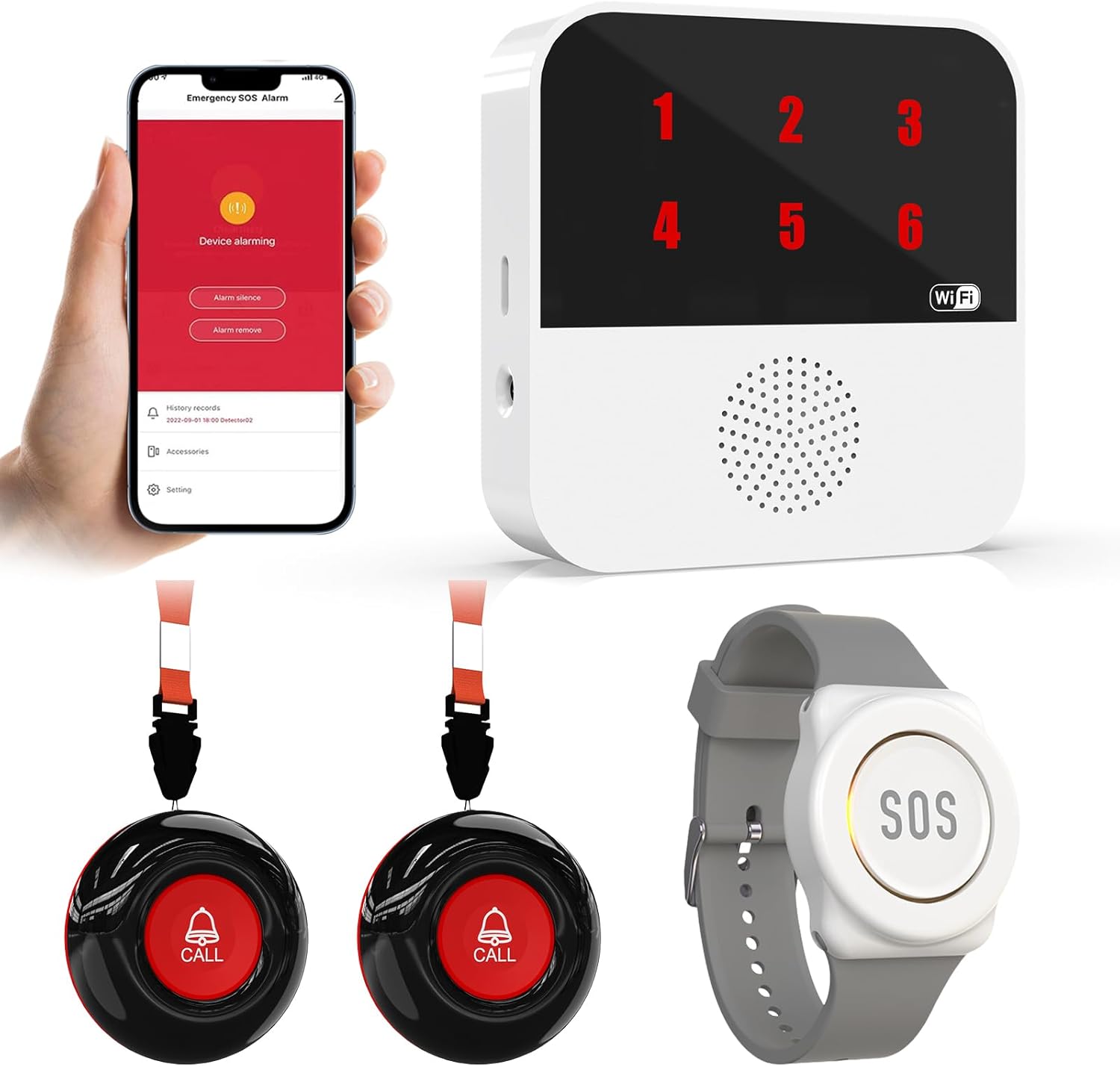
You see these systems applied in various ways. Many seniors wear a lightweight pendant around their neck or a wristband, ensuring the help button is always within reach. Base units typically sit in a central location in the home, offering two-way communication. More advanced systems now include features like automatic fall detection, which can summon help even if you’re unconscious or unable to press the button. There are also mobile options with GPS, perfect for active seniors who enjoy walks or errands but still want that reassurance when they're out and about. It's a versatile solution, whether you're living alone, managing a chronic condition, or simply want to feel more secure in your daily life.
Must Read
Now, let's talk about the big question: How much is Life Alert a month for seniors? This is where things get a little less straightforward, as Life Alert is notoriously private about its pricing, often requiring you to call for a quote. However, general industry standards suggest that these services can range anywhere from $20 to $60+ per month. Life Alert specifically is often quoted at the higher end of this spectrum, and it’s crucial to ask about potential activation fees, installation costs, and whether you're signing up for a long-term contract (which can sometimes be three years or more). To truly "enjoy" this service effectively and ensure you're getting the best value, here are some practical tips:
- Shop Around: Life Alert is a brand name, but there are many other reputable medical alert system providers out there (e.g., Medical Guardian, Bay Alarm Medical, MobileHelp). Get quotes from several companies.
- Compare Features: Do you need fall detection? GPS? A caregiver app? Don’t pay for features you won’t use, but also don’t skimp on those you truly need.
- Read the Fine Print: Always inquire about cancellation policies, equipment return requirements, and any hidden fees. Understand the total cost, not just the monthly rate.
- Ask for Discounts: Some providers offer discounts for AARP members, veterans, or through certain insurance plans. It never hurts to ask!
- Involve Family: Make the decision with loved ones who can help you research and understand the options.
By doing your homework, you can find a system that not only offers crucial protection but also fits comfortably within your budget, truly allowing you to enjoy your golden years with unshakeable peace of mind.