
How Much Electricity Do Dehumidifiers Use
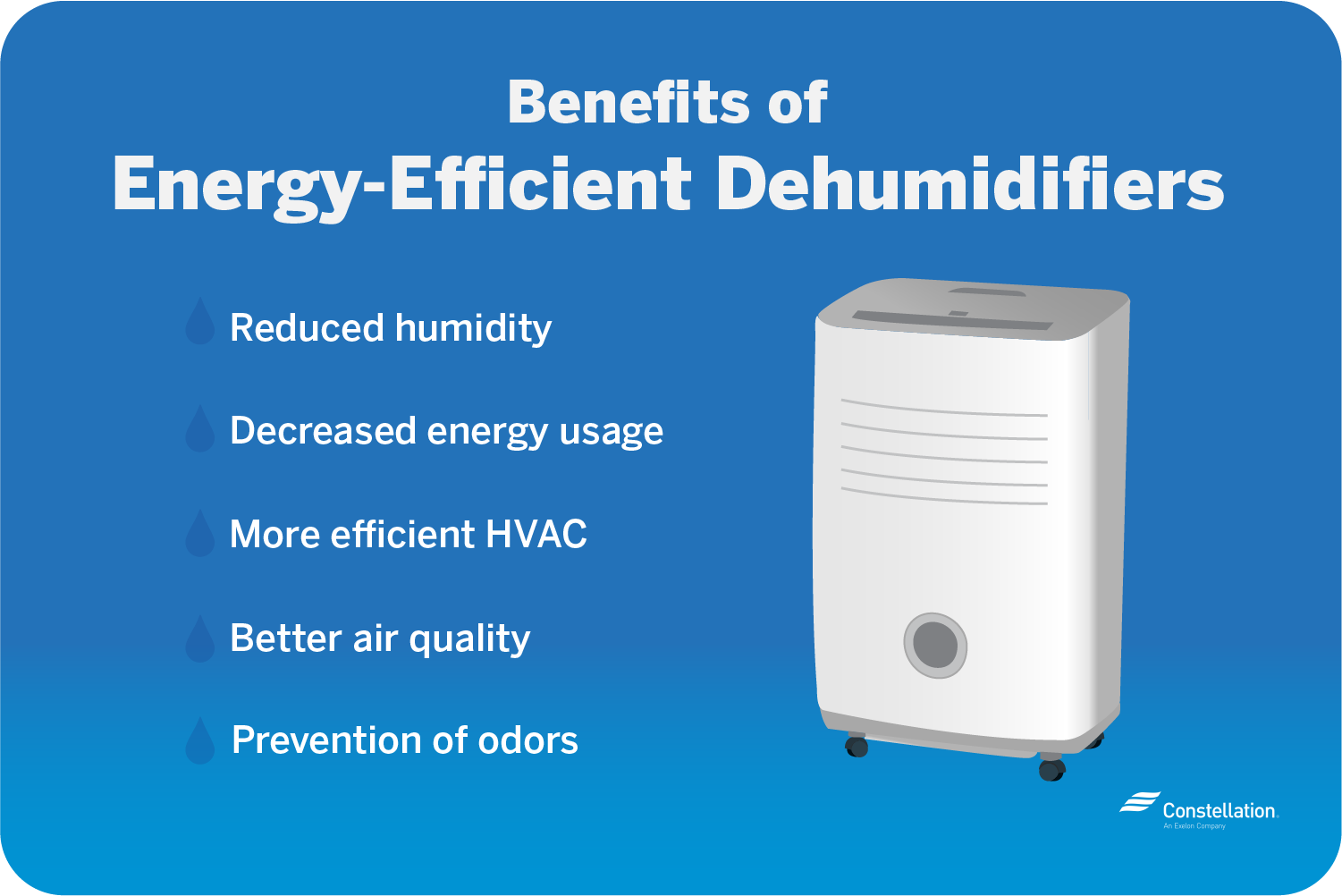
Alright, let’s talk about a true unsung hero in many homes, especially when the air outside decides to transform itself into a giant, invisible, sticky hug! I’m talking about your dehumidifier, that trusty gadget that swoops in to banish the clammy vibes and make your space feel, well, normal again. But a question often whispers in the back of our minds as it hums away: "How much juice is this thing actually guzzling?"
Fear not, my friend! We’re diving into the electrifying (pun absolutely intended!) world of dehumidifier power consumption with a big dose of fun and zero confusing jargon. Get ready to feel good about making your home a comfortable oasis!
The Big "How Much?" Unveiled!
So, you’re picturing your electricity meter spinning like a dizzy top, right? Let's dial down the drama. For most modern, efficient dehumidifiers, we're not talking about anything close to a power-hungry dragon. Think more along the lines of a diligent, moisture-munching mouse!
Must Read
The truth is, there's no single, universal answer that fits every single machine, because these clever contraptions come in all shapes and sizes, and they work in wildly different conditions. But don't worry, we'll break it down into delightful, digestible chunks!
It's a "Choose Your Own Adventure" Story!
The amount of electricity your dehumidifier uses is less about a fixed number and more about a few key players. Let's meet them:
1. The Size of Your Dehumidifier (Pint Capacity)
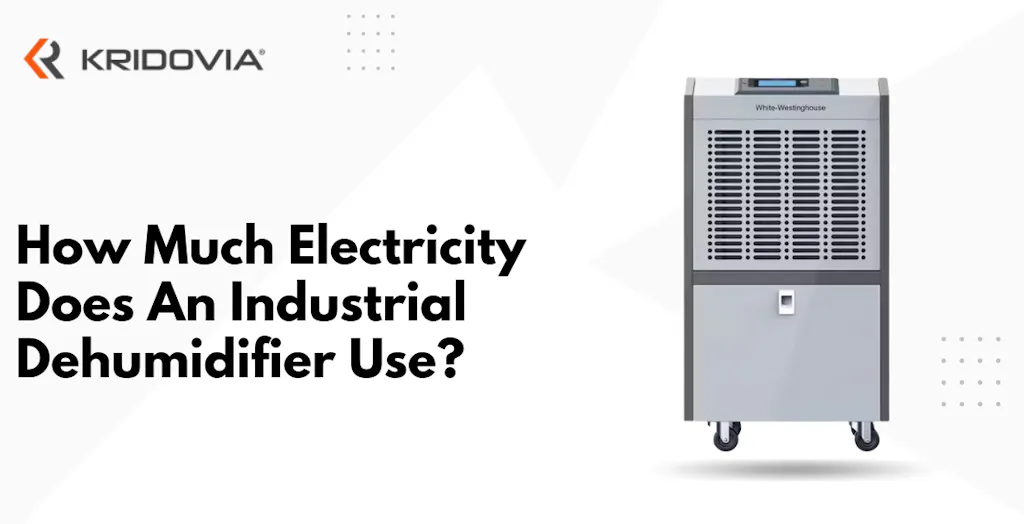
Imagine the difference between a tiny teacup trying to empty a swimming pool versus a giant bucket doing the same job. Dehumidifiers are rated by how many pints of moisture they can remove from the air in 24 hours. A smaller 30-pint dehumidifier for a bedroom is going to sip electricity much more gently than a mighty 70-pint behemoth tasked with drying out a whole damp basement.
Think of it like this: a smaller dehumidifier is like a tiny fairy doing delicate work, while a larger one is a muscular superhero, flexing its power to tackle bigger jobs! Both get the job done, just with different energy footprints.
2. How Hard It Has to Work (Humidity Levels)
This is a biggie! If your basement feels like a tropical rainforest, your dehumidifier is going to be working its little heart out, running continuously to bring those humidity levels down. More running time = more electricity. But once it hits your desired comfort zone (say, 45-50% humidity), most modern units have a humidistat that lets them take a well-deserved nap, only waking up when the moisture creeps back in. This "sleeping" feature saves a surprising amount of energy!

3. The Temperature of the Room
Warmer air can hold more moisture, which means your dehumidifier might have to work harder to extract it. In cooler environments, like a chilly basement, it might be more challenging for certain types of dehumidifiers to operate efficiently, sometimes even causing coils to frost up (though many have defrost features now!). So, a moderately warm room is often the sweet spot for efficiency.
4. Its Energy Efficiency (Hello, ENERGY STAR!)
Just like cars, not all dehumidifiers are created equal when it comes to efficiency. An old, clunky model from the last century might be a real power hog. But a shiny, new ENERGY STAR certified dehumidifier? Oh, it’s a lean, mean, moisture-removing machine! These babies are designed to do more with less electricity, making them excellent long-term investments for your comfort and your wallet.
The Cost in Your Pocket: Pennies, Not Pounds (or Dollars!)
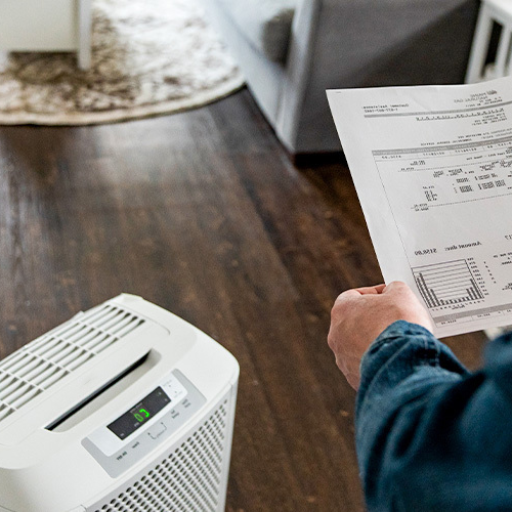
Okay, let’s get down to brass tacks. For a typical 50-pint dehumidifier running in moderately humid conditions for several hours a day, you're generally looking at something in the ballpark of 10 to 30 cents per hour of active operation. If it runs for, say, 8 hours a day, that's roughly $1 to $2.50 daily. Multiply that by 30 days, and you're probably in the $30 to $75 range per month during peak humidity season.
To put that in perspective, that’s often less than what you might spend on a fancy coffee every few days, or a couple of streaming subscriptions. For the glorious feeling of dry, fresh air, that’s a pretty small price to pay, wouldn’t you agree?

Consider the comfort: that extra cost means no more musty smells, no more sticky skin, and a happier home environment! It’s like buying a subscription to "Air Comfort Pro," and it’s totally worth it.
Tips for Being an Electricity-Saving Superstar!
Want to be even more efficient? You got it!
- Size it Right: Don't get a giant dehumidifier for a tiny room. Match the pint capacity to your space.
- Seal It Up: Close windows and doors in the area you’re dehumidifying. Don't let new, moist air sneak in!
- Clean Your Filters: A clogged filter makes your machine work harder (and use more electricity!). Give it a quick wash every month or so.
- Use the Humidistat: Set your desired humidity level (around 45-50% is often ideal) and let the machine cycle on and off as needed. Don’t just let it run continuously unless absolutely necessary.
- Strategic Placement: Place it away from walls and furniture to ensure proper airflow.
Embrace the Dryness!
So, there you have it! Your dehumidifier isn’t secretly plotting to bankrupt you. It’s a hard-working, relatively efficient appliance dedicated to making your living space feel fantastic. The comfort, the reduction of allergens, the protection for your belongings, and that glorious feeling of walking into a dry, fresh room are priceless.
Go forth, embrace the power of dry air, and enjoy your comfortable home without the guilt! Your dehumidifier is a friend, not a foe to your electricity bill!