
How Much Does A Steel Wheel Weight

Ever wondered about the weight of those trusty steel wheels on your car? You know, the ones that aren't all fancy and aluminum-y? Well, you're in for a treat! Let's dive into the surprisingly exciting world of steel wheel weights!
The "It Depends" Answer (Because Life Isn't Always Simple!)
Okay, before we get too carried away, let's acknowledge the elephant in the room. The weight of a steel wheel isn't a one-size-fits-all kind of thing. Just like you wouldn't expect a chihuahua to weigh the same as a Great Dane, steel wheels come in different sizes and styles, affecting their heft.
Generally, you're looking at a range. Think of it like ordering pizza; a personal pan is way lighter than a family-sized supreme! Factors include the diameter (how big around it is), the width (how "deep" it is), and the thickness of the steel used.
Must Read
Small Cars, Small Wheels, Smaller Weight
For your average compact car, think Honda Civic, Toyota Corolla, or Mazda3, you're likely dealing with steel wheels in the 15 to 16-inch range. These tend to be lighter, falling somewhere between 20 to 25 pounds each. That's about the weight of a small bag of dog food – easy enough to manage, right?
Imagine carrying four of those around! It's a decent workout, but you probably wouldn't need to hire a personal trainer just for the task.
SUVs and Trucks: Beefier Wheels, Beefier Weight
Now, let's crank things up a notch. If you're rocking an SUV or a truck, your steel wheels are going to be significantly heavier. We're talking about 17-inch, 18-inch, or even larger wheels, often tipping the scales at 30 to 40 pounds or more. Whoa, that’s getting serious!
Think of lugging around a bowling ball for each wheel. Now that is a workout! You might actually consider calling that personal trainer now!

The "Thickness Matters" Factor
The thickness of the steel itself plays a huge role. A super-thin, lightweight steel wheel might save a few pounds, but it won't be nearly as strong or durable as a thicker, more robust one. It’s like the difference between a flimsy paper plate and a heavy-duty ceramic one.
Manufacturers have to strike a balance between weight and strength. They want the wheel to be light enough to not kill your fuel economy, but strong enough to withstand potholes, curbs, and all the other hazards of the road. It's a tough job, but someone's gotta do it!
Why Does Weight Even Matter?
Okay, so we know steel wheels weigh something, but why should you even care? Turns out, wheel weight can impact several aspects of your car's performance. We call it unsprung weight.
Lighter wheels can improve acceleration. Think of it like riding a bicycle – it's easier to pedal when the bike is lighter. The same principle applies to your car. Also, lighter wheels might improve gas mileage, although the effect is usually pretty small.
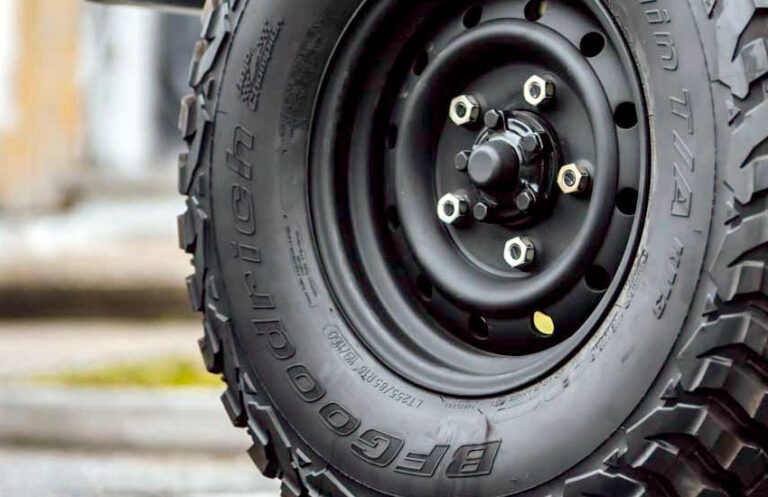
Heavier wheels, on the other hand, can make your car feel a bit sluggish. They can also put more stress on your suspension components. But don’t panic! Steel wheels are typically pretty durable and well-suited for everyday driving.
Steel vs. Aluminum: The Weighty Debate
Here's where things get interesting. Steel wheels are generally heavier than aluminum (or alloy) wheels of the same size. That's why many performance-oriented cars come with aluminum wheels from the factory. Less weight for more speed!
Aluminum wheels also tend to look a bit fancier, but they can be more expensive and sometimes more prone to damage from impacts (like hitting a curb). So, it's a trade-off! Steel is durable and cheap, aluminum is lighter and stylish. Pick your poison!
But steel wheels have their own charms. They're incredibly strong and can withstand a lot of abuse. They're also much more affordable than aluminum wheels, which is a big plus for budget-conscious drivers. Plus, there is a certain charm to the simplicity and robustness of a steel wheel.
Finding the Specific Weight of Your Wheel
Alright, if you're absolutely dying to know the exact weight of your specific steel wheel, there are a few ways to find out. Spoiler alert: it might involve some digging!
First, check your car's owner's manual. It might contain information about the wheels that came with your car from the factory. You might be lucky and find the information there.
Second, look for a sticker or stamping on the wheel itself. Sometimes, manufacturers will print the weight directly on the wheel. It might be a small number, so look closely! You might need to remove the wheel from the car to get a good look.
Third, search online! Many websites sell steel wheels and list their specifications, including weight. Just make sure you're looking at the exact same wheel model as the one on your car. A quick search on google or any wheel retailer website can often yields the answers you are looking for.

Fourth, and perhaps most obviously, you can take the wheel off your car and weigh it! You will need an accurate scale, of course. Remember to remove the tire first, as we're only interested in the wheel's weight here.
The Bottom Line: It's All Relative!
So, how much does a steel wheel weigh? As we've seen, it depends on the size, width, and thickness of the wheel. But generally, you can expect a weight range of 20 to 40 pounds for most common steel wheels.
Whether that's a lot or a little depends on your perspective. Compared to a feather, it's definitely heavy. Compared to a truckload of bricks, it's practically weightless! Ultimately, the weight of your steel wheels is just one small piece of the puzzle when it comes to your car's overall performance and driving experience.
Now that you're armed with this knowledge, go forth and impress your friends with your newfound expertise on steel wheel weights! Or, you know, just use it to win a trivia night. The possibilities are endless!
Remember, driving is meant to be fun, and knowing a little more about your car can only add to the enjoyment. Even if it's just the weight of your steel wheels!