How Many Washrooms Per Employee Ontario

Ever found yourself awkwardly waiting in line for the washroom at work, wondering if there should be more? It's a surprisingly common (and relatable!) situation. Figuring out how many washrooms are required per employee isn't just about comfort; it's about legal compliance, employee well-being, and even productivity. Plus, knowing the rules in Ontario can be seriously helpful, whether you're an employee, a business owner, or even just nosy about workplace regulations!
Why should you care? Well, for beginners just entering the workforce, understanding your rights (and your bladders' rights!) is crucial. Knowing the minimum washroom requirements can empower you to speak up if something isn't right. For families, especially parents balancing work and personal responsibilities, having adequate and accessible facilities can be a game-changer. And for hobbyists or anyone tinkering with opening their own small business (a brewery, a pottery studio, anything!), understanding these regulations from the get-go will save you headaches and potential fines down the line.
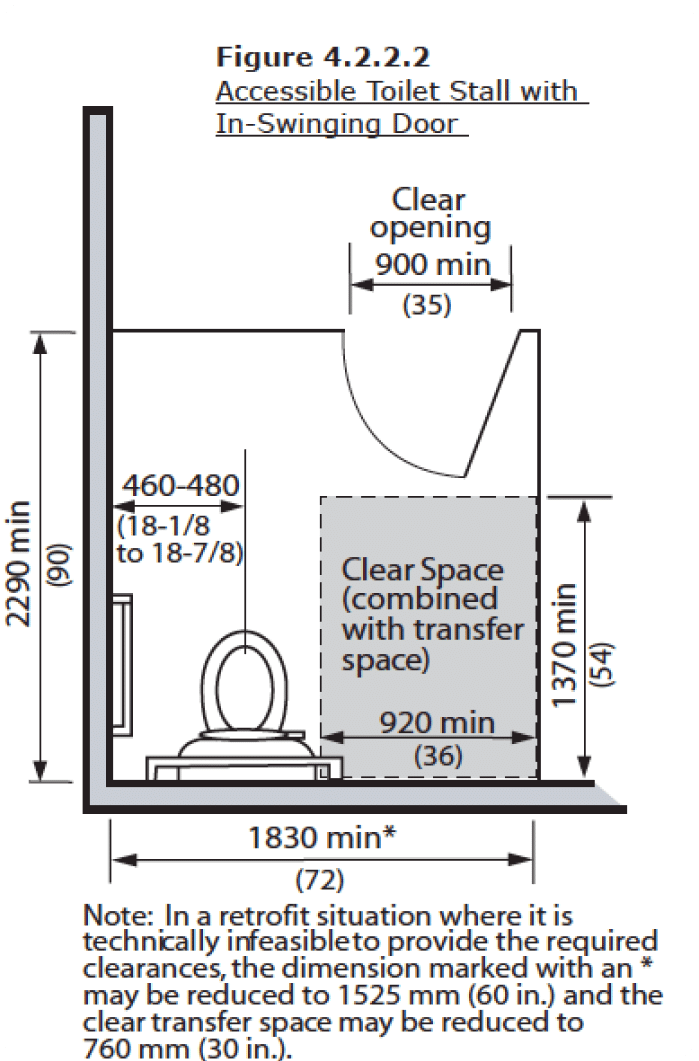
So, how many washrooms are required per employee in Ontario? The answer isn't as straightforward as a simple "one size fits all." The Ontario Building Code dictates the requirements, and they vary based on the number of employees and the type of occupancy. Generally, you'll need at least one water closet (toilet) for every 15 employees of each sex. So, if you have 20 men and 10 women, you'll need at least two male washrooms and one female washroom. This ratio changes as the number of employees increases. For example, once you get above a certain number of employees, you might need to provide urinals in addition to toilets. The code also specifies requirements for sinks, hand drying facilities, and accessibility for people with disabilities.
Must Read
Here are a few variations to keep in mind: Restaurants and food service establishments typically have different (and often stricter) requirements due to hygiene regulations. Construction sites have specific rules tailored to the temporary and often rugged nature of the workplace. And businesses with employees who handle hazardous materials may need additional facilities for showering and changing. It's always best to check the specific section of the Ontario Building Code that applies to your industry and type of business.

Simple, practical tips for getting started:
- Consult the Ontario Building Code: This is your definitive source of information. The relevant sections are typically those dealing with plumbing and washroom facilities.
- Contact your local municipality: Building inspectors and permit offices can provide clarification and guidance on local interpretations of the code.
- Consult with a building professional: Architects, engineers, and contractors experienced in commercial construction can ensure your washroom facilities meet all requirements.
- Prioritize accessibility: Even if the minimum requirements don't strictly require an accessible washroom in your specific situation, it's a good practice to consider making your facilities inclusive.
Navigating washroom regulations might seem dry (pun intended!), but it's a necessary step towards creating a safe, comfortable, and compliant workplace. By understanding the rules and taking proactive steps, you can ensure that everyone has access to the facilities they need, contributing to a happier and more productive work environment. Remember, a little research and planning can go a long way in avoiding potential problems and fostering a positive atmosphere for everyone.