
How Many Solar Panels Do I Need For My Home
Ever looked up at that big, beautiful star in the sky – yep, the sun! – felt its warm glow, and thought, “Hey, maybe my house could run on that?” If you have, you're certainly not alone. The idea of harnessing the sun’s power for our homes is incredibly appealing, not just for our wallets, but for the planet too. But then, a very practical question pops up: how many solar panels do I actually need for my home?
It’s a bit like asking, “How many shoes do I need?” Well, are you a marathon runner, a fashionista, or someone who mostly shuffles around in slippers? The answer, as you might guess, isn't a one-size-fits-all magic number. It really depends on you, your home, and your lifestyle. But don't worry, figuring it out is part of the fun!
Your Home's Energy Appetite: The Hungry Hippo or the Snack Squirrel?
First things first, let’s talk about your home’s hunger for electricity. Some homes are like hungry hippos, gobbling up megawatts with multiple air conditioners running full blast, electric car charging, and perhaps a hot tub bubbling away. Others are more like snack squirrels, content with just the essentials.
Must Read
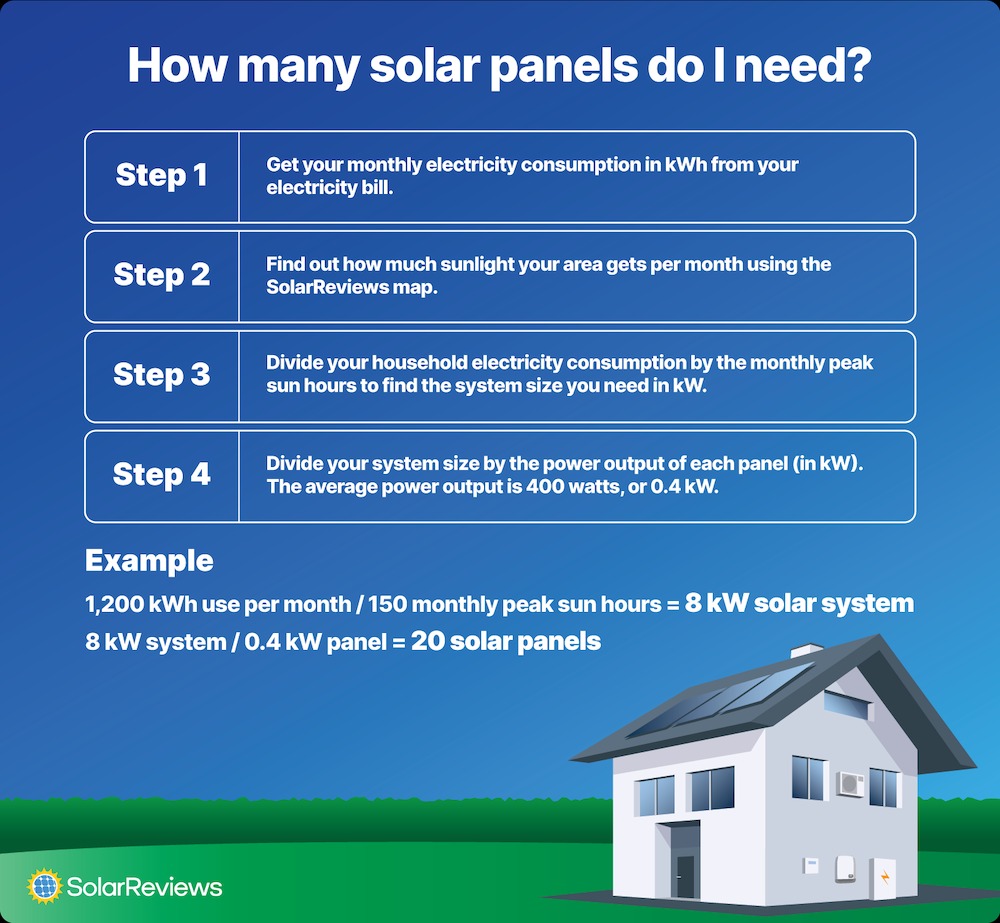
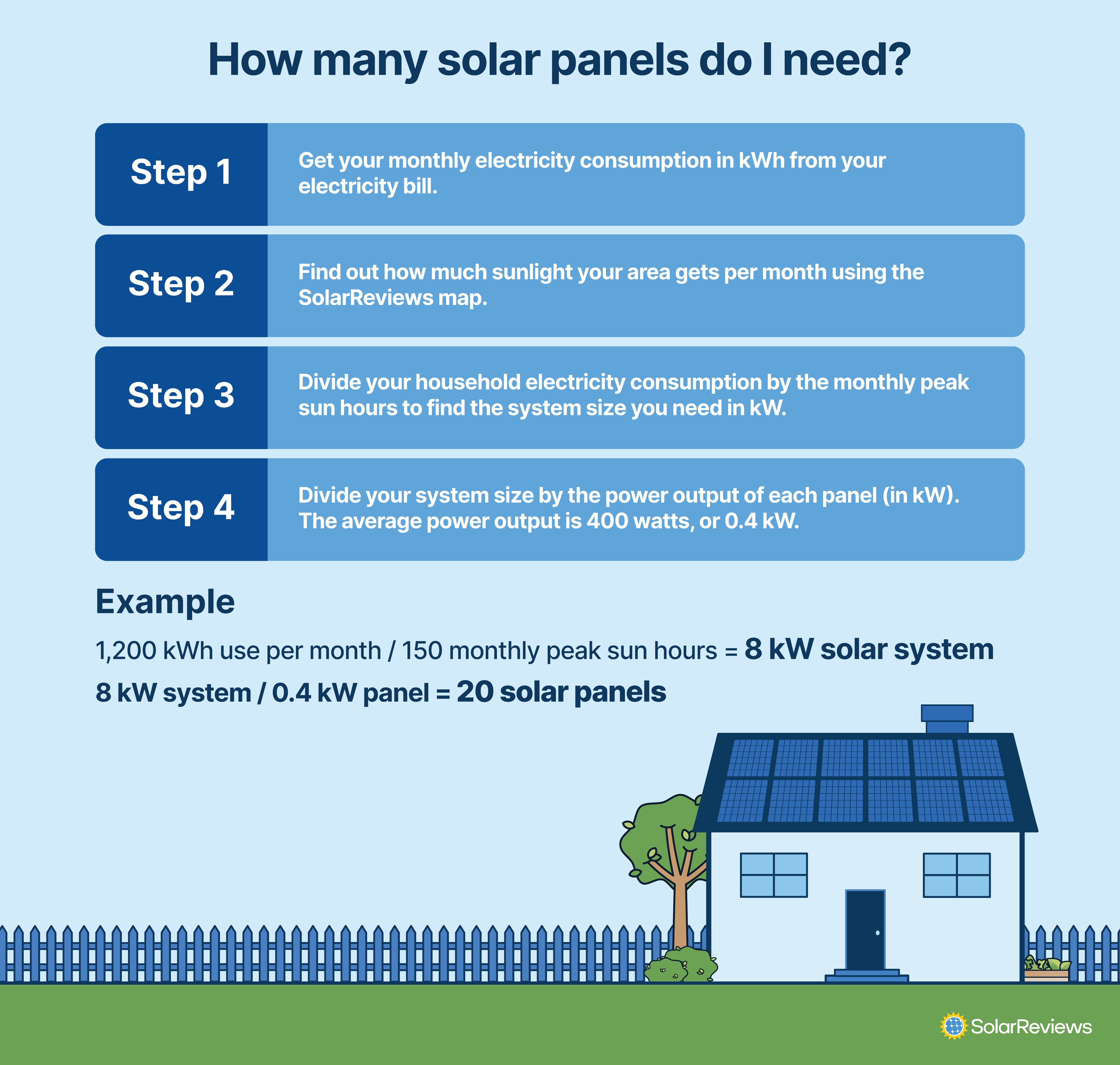
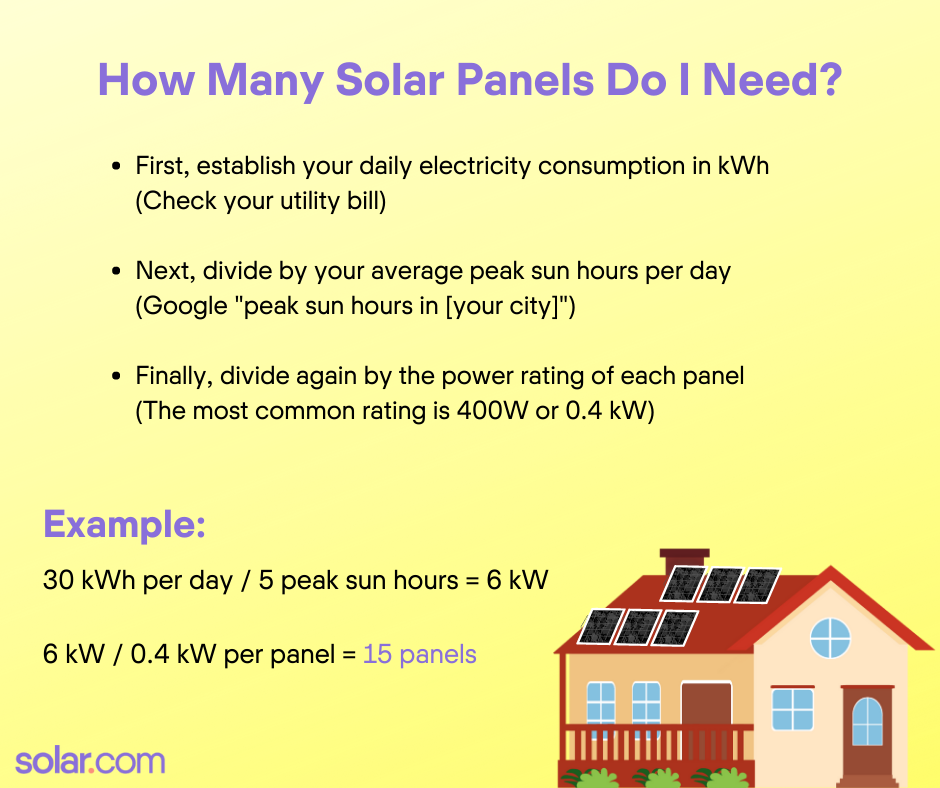
The best way to gauge this is by peeking at your electricity bill. Look for the magical three letters: kWh. That stands for kilowatt-hours, and it's the unit used to measure your electricity consumption. Most bills show your average monthly or annual usage. Knowing this number is your first, and arguably most important, piece of the solar puzzle. It tells us how much power your new solar system needs to generate.
Sunshine and Shade: Where Does Your Roof Stand?
Next up is your roof – the star player in your potential solar setup. Is it a sun-worshipper, soaking up rays all day long? Or does it prefer the shade, perhaps thanks to a majestic old oak tree or a neighbouring skyscraper?

The amount of direct, unobstructed sunlight your roof receives daily is a huge factor. South-facing roofs (in the Northern Hemisphere) are generally considered the prime real estate for solar panels, as they get the most consistent sun exposure. Things like the angle of your roof, nearby shading, and even your geographic location (think sunny Arizona versus cloudy Seattle) all play a significant role in how many panels you'd need to hit your energy target. More sun equals fewer panels to generate the same amount of power, generally speaking.
Panel Power: Not All Panels Are Created Equal
Just like cars have different fuel efficiencies, solar panels have different levels of "power." This is known as their efficiency rating, and it dictates how much sunlight they can convert into electricity.
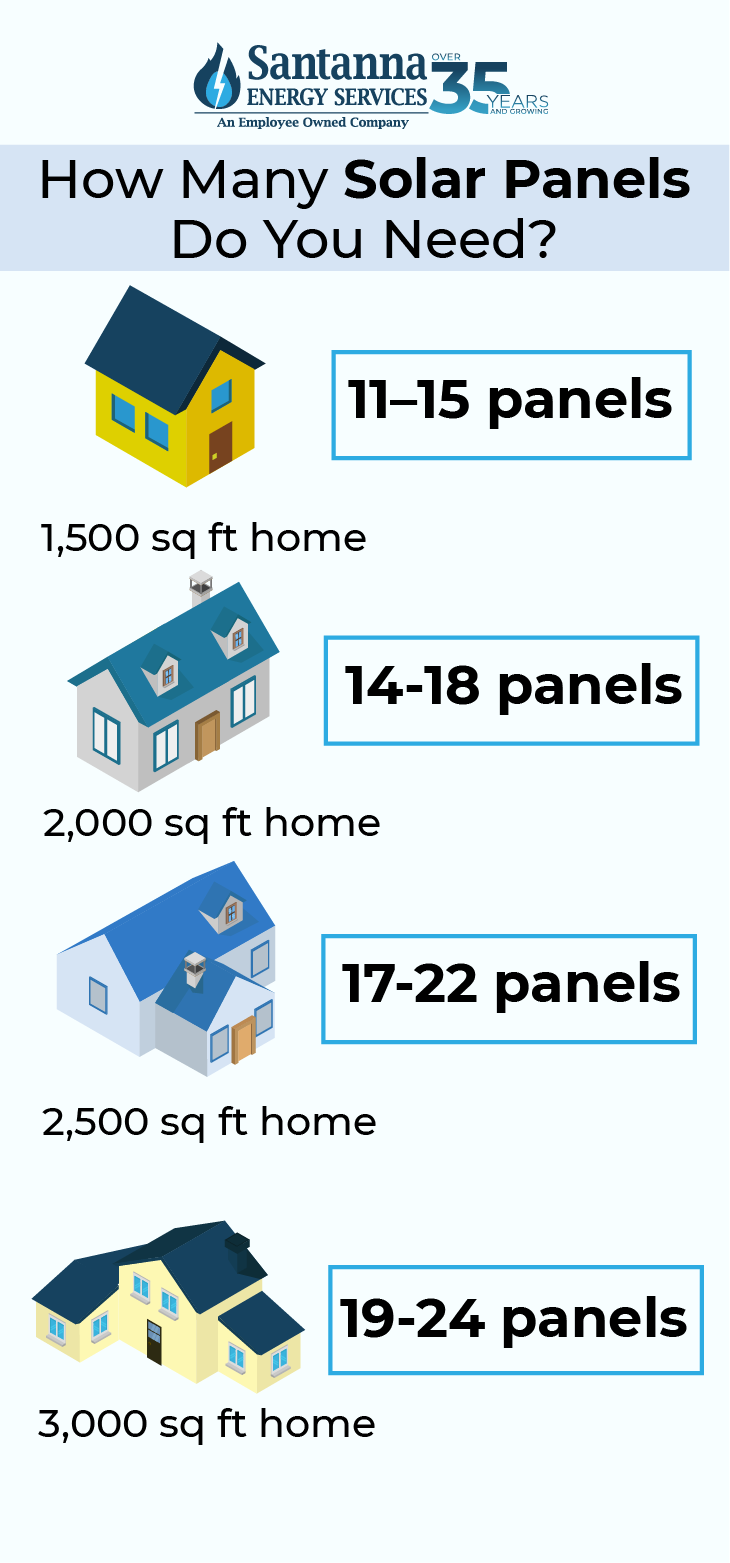
Some panels are super-efficient, meaning they can produce a lot of power even from a smaller surface area. These are great if you have limited roof space but still want to generate a substantial amount of electricity. Other panels might be less efficient but also more budget-friendly. It’s a bit of a trade-off, and the best choice for you often depends on your specific roof size and budget. Higher efficiency panels can mean fewer panels overall to meet your needs.
Thinking Ahead: Your Future Solar Self
Are you planning any big changes to your home or lifestyle in the next few years? Perhaps an electric vehicle is on your wish list, or you're thinking of expanding your family (and thus, your energy consumption)? Maybe you'll switch from a gas water heater to an electric one?
It’s a smart move to factor in future energy needs when designing your solar system. Oversizing slightly now can save you money and hassle down the road, as adding panels later can sometimes be more expensive than doing it all at once. Think of it like buying a slightly bigger car seat for a growing toddler – planning ahead makes life much smoother!
Your Solar Goals and Budget: What's Your Superhero Ambition?
Finally, what’s your ultimate solar goal? Do you want to completely offset your electricity bill and become a solar superhero, producing 100% of your own power? Or are you aiming to just significantly reduce your bill, happy with a partial offset?
Your budget naturally plays a role here. More panels mean more initial investment. It’s important to decide what level of energy independence you’re comfortable with and what financial commitment you’re prepared to make. Many homeowners find a sweet spot where they significantly reduce their bills and contribute to a greener planet without going completely off-grid.
So, How Do You Get an Actual Number?
While all these factors might seem like a lot to juggle, getting a good estimate is surprisingly straightforward.
- Gather Your Bills: Dig out your last 12 months of electricity bills to get an accurate average of your kWh usage.
- Eye Your Roof: Take a look at your roof. Does it seem generally unshaded? Which direction does the largest, clearest section face?
- Talk to the Pros: This is where the magic happens! Professional solar installers are like solar detectives. They'll use satellite imagery and on-site assessments to analyze your roof, calculate sun exposure, consider your energy usage, and recommend the optimal number and type of panels for your specific home and goals. They can even factor in local incentives and rebates, which can make solar even more affordable.
Ultimately, figuring out "how many solar panels do I need?" is an exciting step on the path to a more sustainable and cost-effective home. It's a journey of discovery that's personalized just for you, leading to a system that truly fits your lifestyle. So, go ahead, take that first step – the sun is waiting!