How Many Significant Figures In 100.0
Ever feel like you're drowning in a sea of numbers, unsure which ones truly matter? Or perhaps you're meticulously measuring ingredients for a prize-winning cake and want to be absolutely precise? Then you, my friend, have unknowingly stumbled into the fascinating world of significant figures! While it might sound intimidating, understanding significant figures is like unlocking a secret level of accuracy in everyday life. It's about knowing how much trust to put in the numbers you see and use.
Why should you care about significant figures? Well, think about it. Imagine you're buying lumber for a DIY project. The store clerk tells you the board is "about 6 feet long." Is that good enough? Probably not! You need more precision. On the other hand, if they tell you it's 6.00000 feet long (measured with atomic precision!), you might think they're pulling your leg. That level of accuracy is likely unnecessary and impractical for a home project. Significant figures help us strike that perfect balance, representing the reliability of our measurements without being overly cumbersome.
The beauty of understanding significant figures lies in its widespread applicability. Consider cooking. While a pinch of salt might be forgiving, when baking, particularly with finicky ingredients like yeast, getting the measurements right is crucial. Significant figures ensure that your measurements reflect the precision needed for a successful outcome. Similarly, in fields like engineering and science, knowing the significant figures in a measurement is critical for calculations and ensuring the safety and reliability of structures and experiments. From calculating the trajectory of a rocket to determining the dosage of a medication, significant figures are the unsung heroes of accuracy.
Must Read
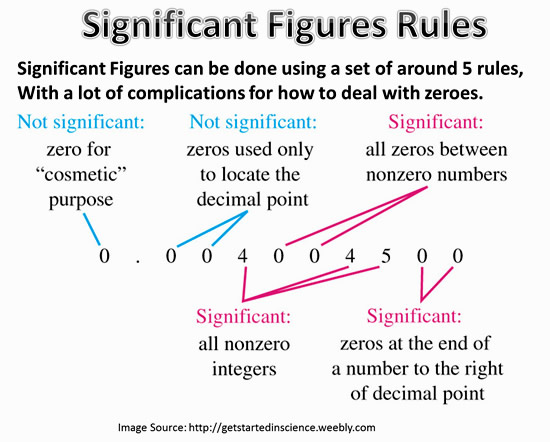
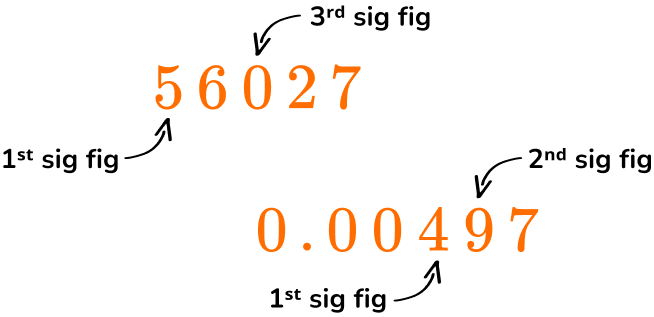
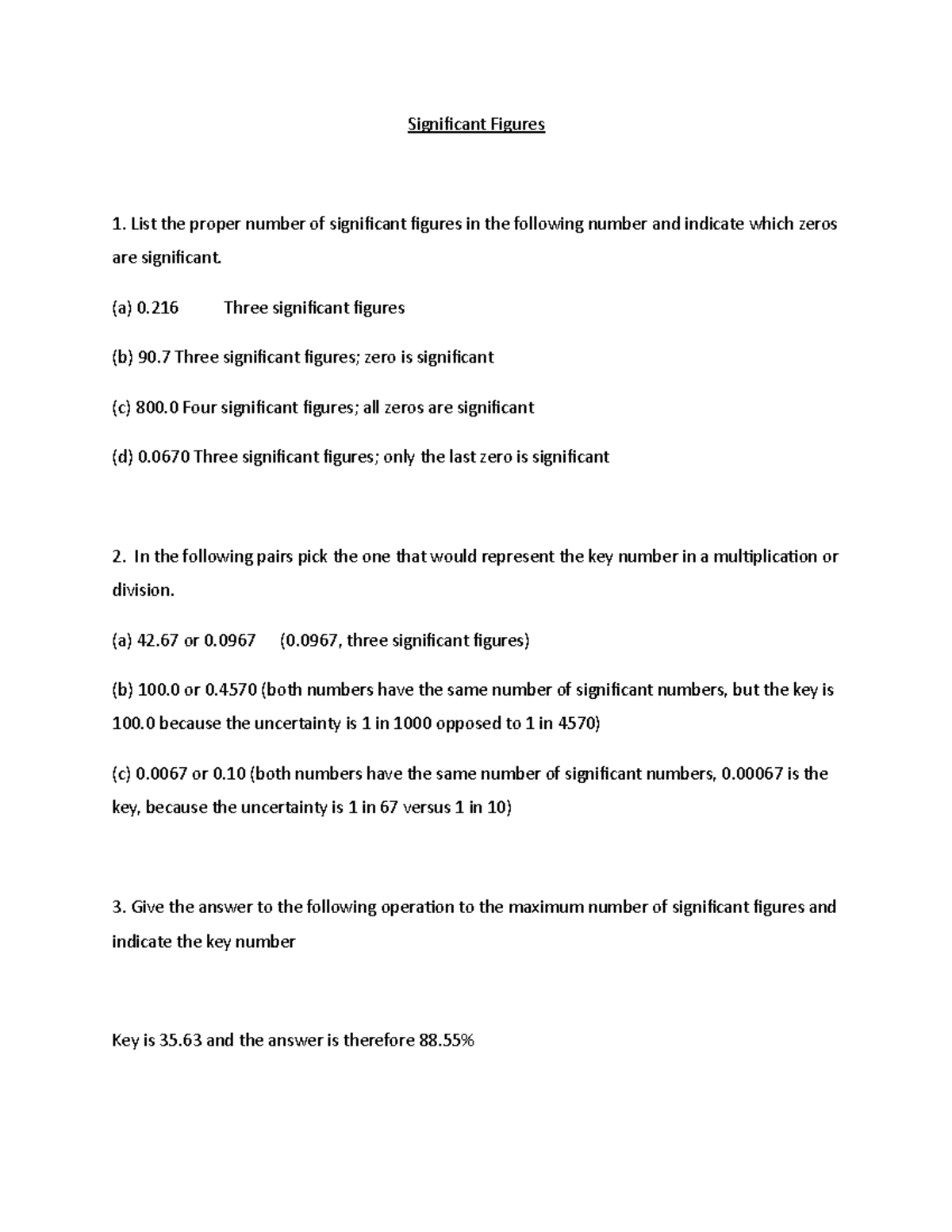
So, let's tackle the burning question: How many significant figures are in 100.0? The answer is four! This can be confusing because leading zeros (like in 0.001) are never significant. However, trailing zeros after a decimal point are always significant. They tell us that the measurement was taken to the nearest tenth of a unit.
Now, how can you better grasp and appreciate the concept of significant figures? Here are a few tips:
- Practice makes perfect: Start by identifying the significant figures in various numbers. Look for examples online or in textbooks.
- Think about the instrument: Consider the tool used to make the measurement. A ruler marked in millimeters will provide more significant figures than a measuring tape marked in centimeters.
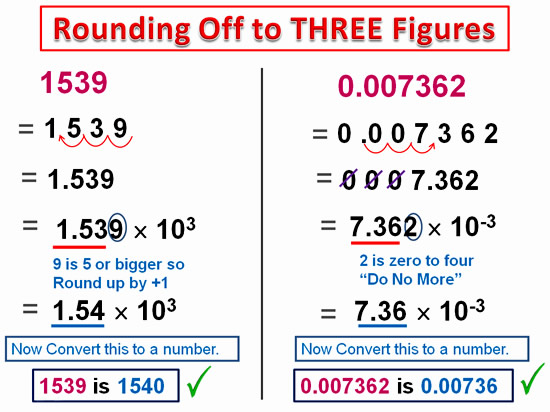
- Pay attention to rounding: When performing calculations, remember the rules for rounding based on significant figures. Keep track of the least precise measurement and round your final answer accordingly.
- Don't be afraid to ask: If you're unsure, don't hesitate to ask a teacher, tutor, or online forum for clarification.
Mastering significant figures might seem like a small detail, but it can significantly improve your understanding of the world around you and help you make more informed decisions. So, embrace the challenge, sharpen your numerical skills, and unlock the power of accurate measurement!