How Many Months Has It Been Since February 1
Ever find yourself needing to know just how far away we are from that last box of Valentine's chocolates? Or perhaps you're trying to remember when you planted those early spring bulbs and need to gauge their growth? Figuring out how many months have passed since February 1st is a surprisingly common, and often surprisingly useful, little mental exercise. It's a simple calculation that connects us to the passage of time, helping us plan, remember, and generally stay oriented within the year.
The benefits of being able to quickly determine the "months since February" are numerous. Think about project deadlines at work. If a project kicked off right after Valentine's Day and has a nine-month timeline, you can immediately pinpoint when it's due, without needing a calendar and complicated counting. It's also invaluable for personal projects. Remember promising yourself you'd start that new hobby "sometime after winter"? Knowing how many months have ticked by since February helps you gauge how well you're sticking to your resolutions (or, more realistically, how much you're procrastinating!).
This calculation also plays a significant role in areas like gardening. February 1st often marks a crucial point in the gardening calendar, representing the beginning of planning and seed starting for many plants. Farmers, too, rely on similar date-based calculations for planting and harvesting cycles. Beyond agriculture, this simple metric finds its way into scheduling annual check-ups, tracking the progress of pregnancies, and even planning anniversary celebrations. The possibilities are endless!
Must Read
So, how can you become a master of the "months since February" calculation? Here are a few practical tips to make it easier and more effective:
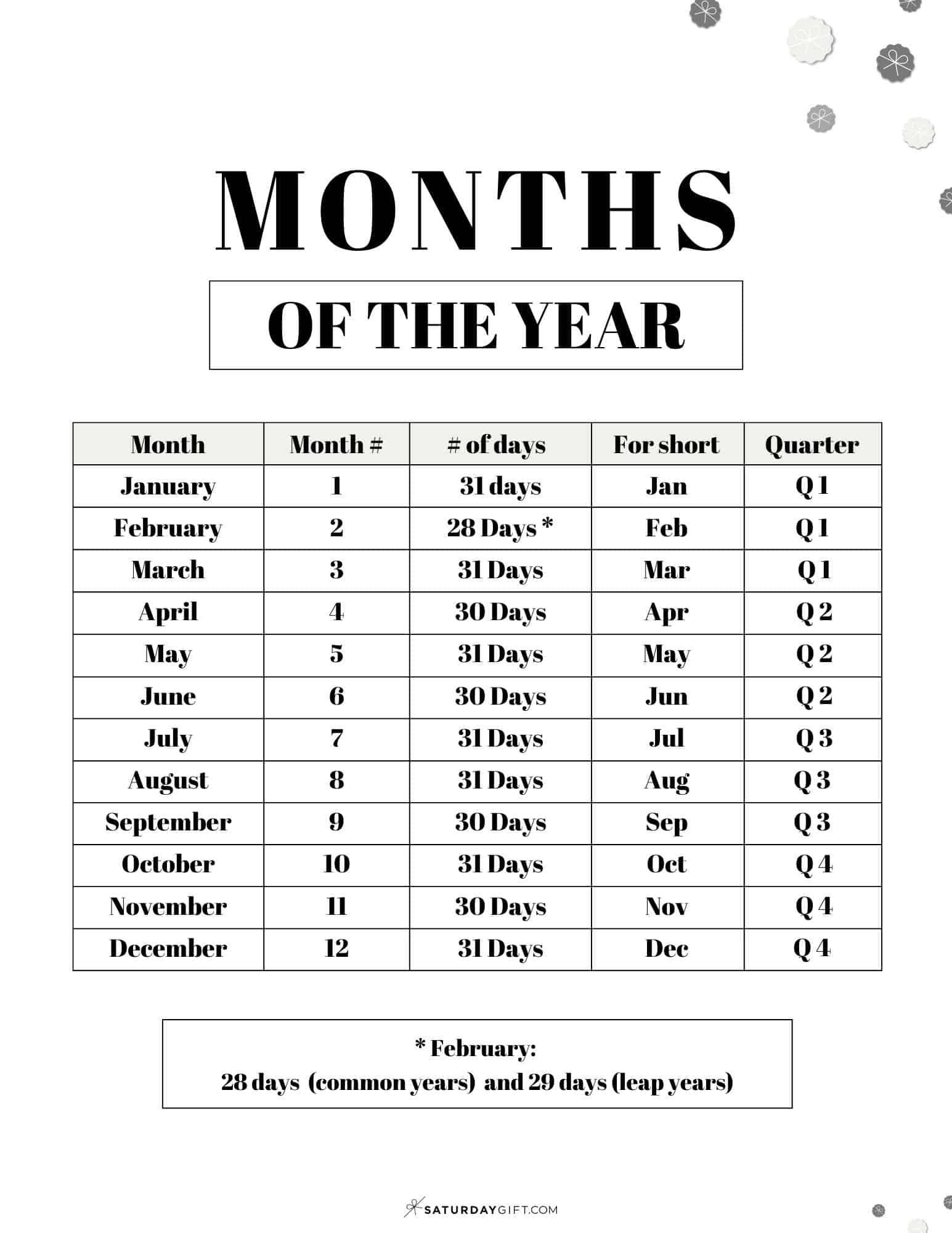
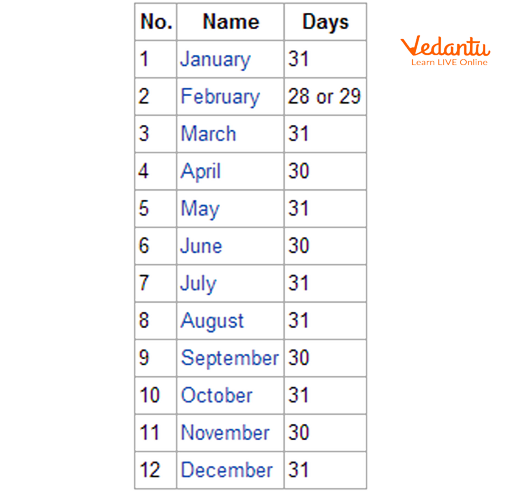
- Visualize the Calendar: Try to mentally picture the months as a linear sequence. February is your starting point. Each subsequent month is just one "unit" away.
- Use Landmarks: Associate important dates or holidays with specific months. For example, St. Patrick's Day is in March (one month since February), Easter falls sometime between March and April (one or two months), and so on. This helps you build mental anchors.
- Practice Makes Perfect: Casually quiz yourself throughout the day. "How many months since February is it now?" The more you practice, the faster and more accurate you'll become.
- Utilize Your Fingers: If you're struggling, don't be afraid to use your fingers to count! It's a perfectly acceptable method, especially when you're first starting out. Assign February to your thumb and then count each subsequent finger as a new month.
- Don't Overthink It: The goal isn't to be perfect; it's to get a reasonable estimate. A quick mental calculation is often good enough for most purposes.
In conclusion, knowing how to easily calculate the months since February 1st might seem trivial, but it’s a surprisingly valuable skill. It helps us connect to the flow of time, manage projects, track progress, and generally navigate the year with greater awareness. With a little practice and these handy tips, you'll be a "months since February" pro in no time! Enjoy the power of quick mental math and stay organized throughout the year!