
How Many Jelly Beans Are In A Jar

Hey! Ever stared at a jar of jelly beans and wondered… just how many are actually in there? Yeah, me too. It’s like a candy-coated cosmic mystery, right?
The Great Jelly Bean Guessing Game
Think about it. It’s a classic game! Birthday parties, county fairs, even corporate events. Someone fills a jar. Everyone guesses. Closest guess wins! But how do you even begin to guess? Blind luck? A sprinkle of magic? Let's dive in!
First, ditch the idea of counting each individual bean. Ain't nobody got time for that! We need a strategy, my friend. A jelly bean blueprint!
Must Read
Consider this: Jelly beans aren't perfect spheres. They're more like…lumpy ovals. This means there's space between them. Air pockets galore! This little detail will drastically affect your guestimate.
Jar Geometry 101
Okay, okay, I know "geometry" sounds scary. But trust me, it's not that bad. Think of the jar. Is it a perfect cylinder? A weird, wonky shape? This matters!
If it's a cylinder, you can estimate the volume using a simple formula: πr²h (pi times radius squared times height). But seriously, who carries a calculator and a ruler to a party? We need a more...practical approach.

A good starting point is to visualize the jar as layers. Imagine stacking coins (or, you know, jelly beans) perfectly on top of each other. Obviously, they won't actually stack perfectly. But it helps get a mental image.
The Packing Problem (It's Real!)
Here's where things get interesting. Scientists (yes, scientists!) have actually studied how things pack together in a container. It's called the "sphere packing problem." Apparently, it's a big deal in math and materials science.
The best you can do with spheres is around 74% packing efficiency. Meaning, about 74% of the jar's volume will actually be filled with jelly beans. The other 26% is air! This is a crucial factor to remember. Forget to account for the air, and your estimate will be WAY off.

Jelly Bean Size Matters!
Not all jelly beans are created equal. Are we talking tiny, generic jelly beans? Or the gourmet, jumbo-sized kind? This is key! A small difference in bean size can translate to a huge difference in the final count.
A standard jelly bean is about 1 cubic centimeter. A little bigger than a pea. So, once you've estimated the jar's volume, divide that by the approximate volume of a single jelly bean. Then, multiply that number by 0.74 (our packing efficiency!).
The Secret Weapon: Visual Cues
Forget all the math for a sec. Sometimes, your eyes are your best tools! Try to visually divide the jar into sections. Top, middle, bottom. Estimate the number of beans in each section. Then, add 'em all up!
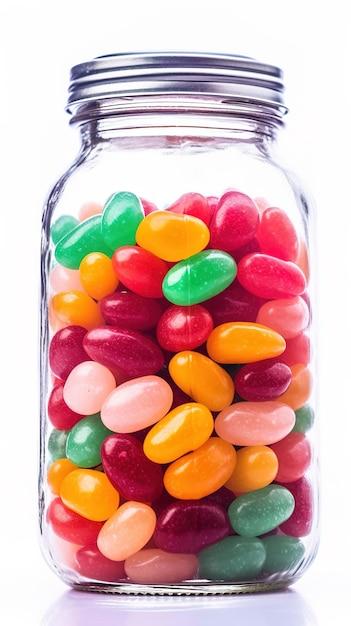
Look for patterns. Are the beans evenly distributed? Are there big gaps? Does the color distribution seem random or deliberately arranged?
Also, consider the psychology of the person who filled the jar. Did they cram it full? Did they leave some room at the top? This could be a clue!
The Art of the Educated Guess
Ultimately, guessing the number of jelly beans in a jar is more art than science. It’s about combining observation, estimation, and a healthy dose of luck.
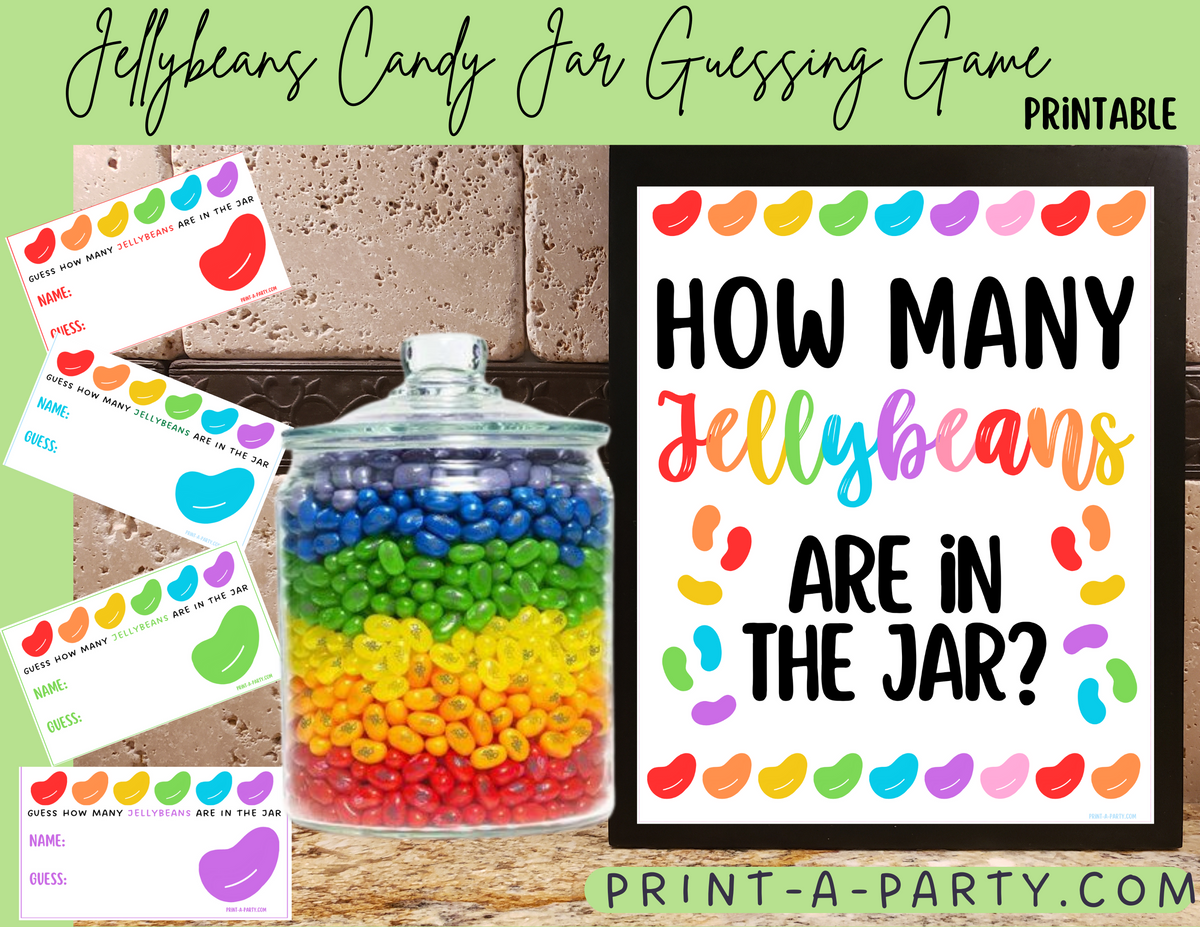
Don't be afraid to be wrong! The fun is in the attempt. And hey, even if you don't win, you can always console yourself with a handful (or two) of jelly beans. Win-win!
So, next time you see a jar of jelly beans, don't just walk on by. Take a moment. Consider the volume, the packing efficiency, and the sheer joy of the challenge. You might just surprise yourself with your guessing prowess!
Now, go forth and conquer those candy-filled containers! And remember: always account for the air pockets!