
How Many Isopods For A 20 Gallon Tank
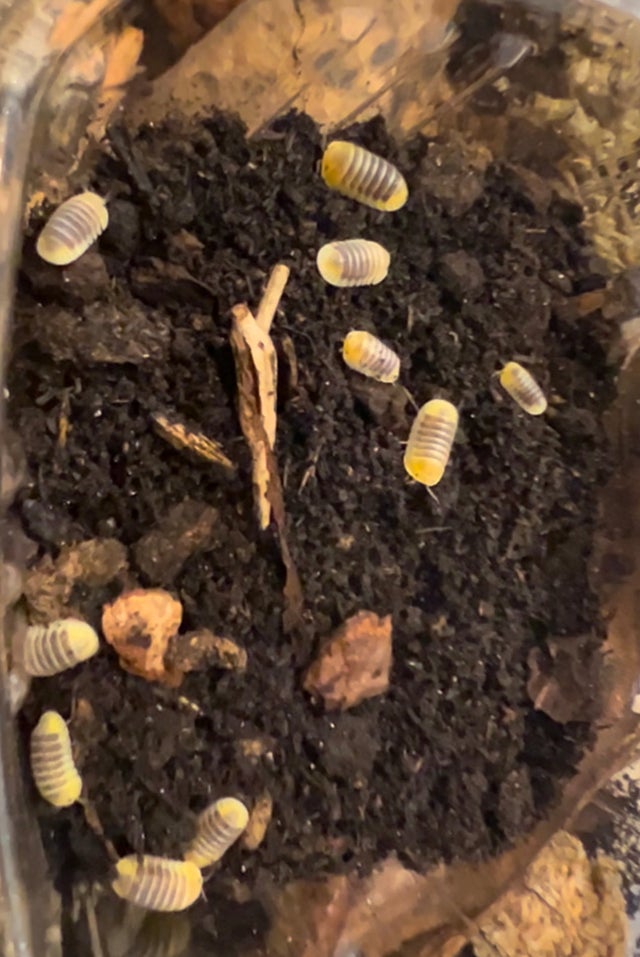
So, you're thinking about getting isopods. Awesome! Tiny cleanup crews are surprisingly captivating. But then comes the big question: how many do you really need?
The Great Isopod Population Debate
You've got a 20-gallon tank. That’s a decent sized condo for some tiny critters. The internet's probably throwing numbers at you like it's confetti. Hundreds! Dozens! What's a budding isopod enthusiast to do?
Well, I'm here to tell you... it depends. And that's probably the most unhelpful answer ever. But hear me out! My unpopular opinion might just save you from an isopod apocalypse.
Must Read
The “Official” Recommendations
Most places suggest a starting culture of around 10-20 isopods per gallon. That means 200-400 isopods. Woah! That sounds like a LOT, right?
That's like inviting the entire neighborhood for a party! And hoping they bring their appetites for decaying matter. But do you really need that many?
My (Possibly Unpopular) Opinion
Nope! I don't think you do. Starting small has a charm of its own. Less competition, a better chance to monitor their health, and a slower but more sustainable population boom.

Think of it like this: a small band of P. scaber pioneers landing on a new world! They need to establish a colony! A slower, more controlled expansion.
Why I'm a Believer in the Slow Approach
Okay, picture this: You dump 400 isopods into your brand-new bioactive setup. They're all hungry! They're all breeding! Suddenly you're knee-deep in dwarf whites!
You might not be able to provide the proper nutrients to feed that large of a population, and suddenly they could start munching on your beloved plants!

Starting with 25-50 healthy isopods gives you time to learn their needs. It allows your ecosystem to balance itself. You can gradually increase food and humidity as the population grows.
Monitoring Your Isopod Situation
Keep a close eye on your little buddies. Are they active? Are they breeding? Are they devouring the leaf litter you provide?
If they're thriving, slowly increase the amount of food you offer. If they're struggling, make adjustments to humidity or temperature.
Remember, this is a marathon, not a sprint. Building a healthy isopod colony takes time and patience. You will be greatly rewarded with a balanced, successful vivarium.

But What About Competition?
Some argue that a larger starting population reduces competition and increases breeding success. That might be true to some extent. But a few strong individuals can still thrive.
Think of isopods as tiny wrestlers. They'll fight for resources. The strongest will emerge. A smaller group may even promote a more resilient colony in the long run.
The Joy of Discovery
There's something incredibly rewarding about watching a small group of isopods slowly populate a tank. You get to witness their entire life cycle. You can observe their social interactions.

It's like having your own miniature nature documentary playing out right in front of you! Every new baby isopod is a victory! A testament to your care and dedication.
So, What's the Verdict?
For a 20-gallon tank, I’d personally start with 25-50 Porcellio laevis, Armadillidium vulgare, or any other similarly sized species. Yes, even the fancy ones!
It allows for easier control and learning. You can always add more later! Trust me, once they start breeding, you'll have plenty before you know it.
Ultimately, the number of isopods you start with is a personal decision. But don't be afraid to buck the trend! A slower start might just be the secret to your isopod success. Happy isopodding!