How Many Gallons In A Barrel Of Crude
Ever pull up to the gas station, fill 'er up, and just kinda… wonder? Like, where does all this liquid gold come from? We hear a lot about oil prices, barrels of crude, global markets, but if you're anything like me, you might occasionally pause and think: "Wait a minute, how much liquid are we actually talking about when someone says a 'barrel' of crude oil?" It's one of those things that feels like it should be obvious, but it's actually a pretty cool little historical nugget.
So, let's dive into this seemingly simple question. You're probably picturing a big, wooden barrel, right? The kind you see in old pirate movies, or maybe rolling down a hill in a cartoon. And you'd be right, partly! But the exact volume isn't as straightforward as you might think. It’s not just a convenient round number.
The Magic Number: How Many Gallons Are We Talking?
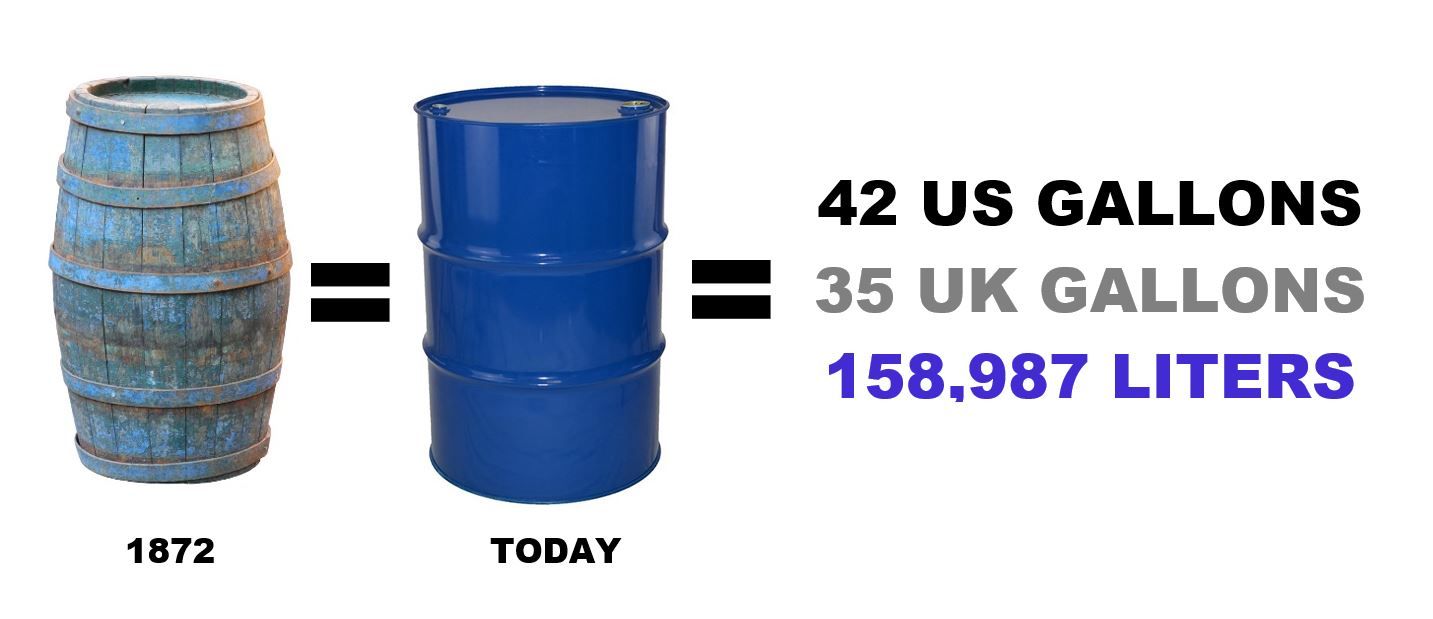
Ready for the big reveal? A standard barrel of crude oil, globally recognized and traded, holds exactly 42 U.S. gallons. Yep, forty-two. Not 40, not 50, not some other neat multiple of ten. It's 42, a number that seems almost… arbitrary, doesn't it? It makes you scratch your head a little, especially since a typical household drum or barrel might hold around 55 gallons today.
Must Read
Why 42? This is where the story gets really interesting and takes us back in time to the early days of the oil industry. Imagine, if you will, the mid-19th century in Pennsylvania, where the first commercial oil wells were gushing. Back then, there weren't any pipelines or fancy tankers. Oil had to be moved, and quickly.
A Barrel's Wild West Origins: The Story of 42 Gallons
Early oil producers needed containers, so they grabbed whatever was handy. Often, this meant reusing old whiskey barrels or fish brine barrels. These barrels varied wildly in size, causing all sorts of headaches for buyers and sellers. You'd agree to buy a "barrel" of oil, but what if your barrel was smaller than their barrel? Cue the arguments!
The problem was compounded by the fact that these barrels were, well, leaky. Oil was precious, and losing even a few gallons to seepage was a big deal. To encourage honest dealings and account for inevitable leaks during transport (often by horse-drawn wagons over rough terrain), savvy producers started filling their barrels with an extra few gallons. A common wine tierce (a type of barrel) held 42 gallons. By offering this slightly larger, more consistent measure, and essentially giving a little "extra" to account for spoilage, confidence in trade grew.
By 1866, the Pennsylvania oil producers officially adopted the 42-gallon barrel as their standard. It wasn't long before this standard was embraced across the entire booming oil industry. So, that seemingly quirky number isn't just a random choice; it's a legacy of ingenious problem-solving from the wild and woolly beginnings of the oil business! It's kind of like how we still buy eggs by the dozen, even though there's no inherent reason for that specific number, it just stuck!
What’s Inside That Magical 42 Gallons? It’s More Than Just Gas!
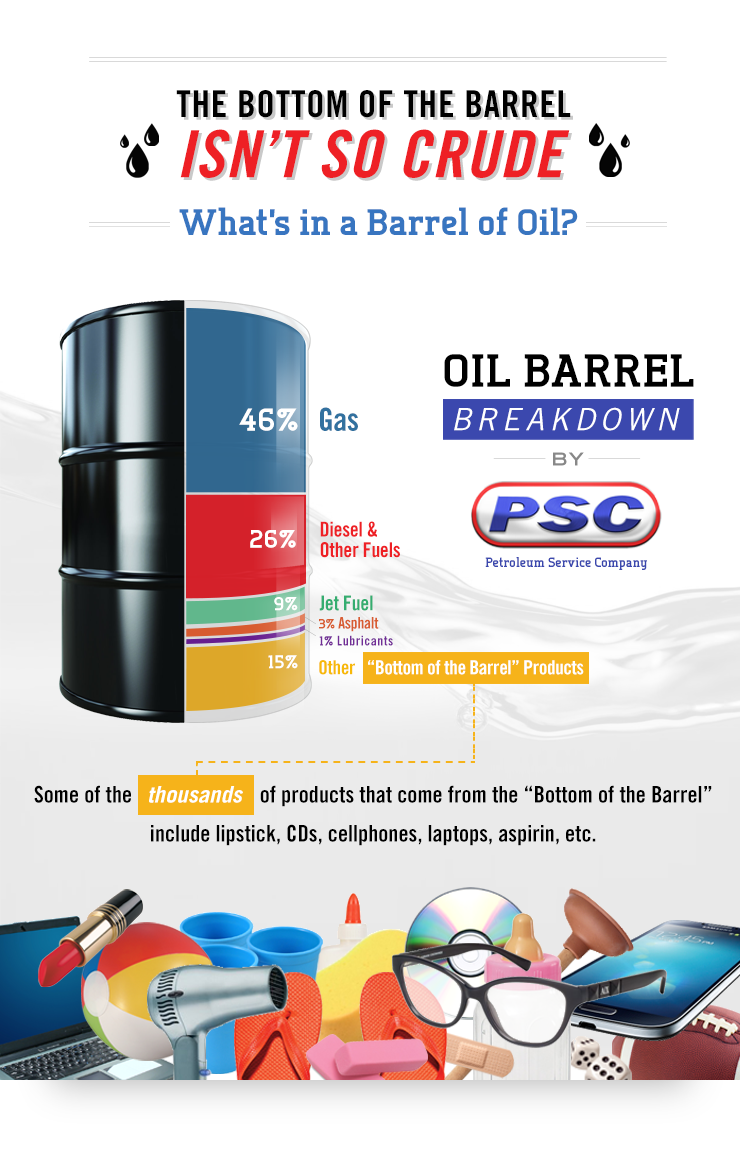
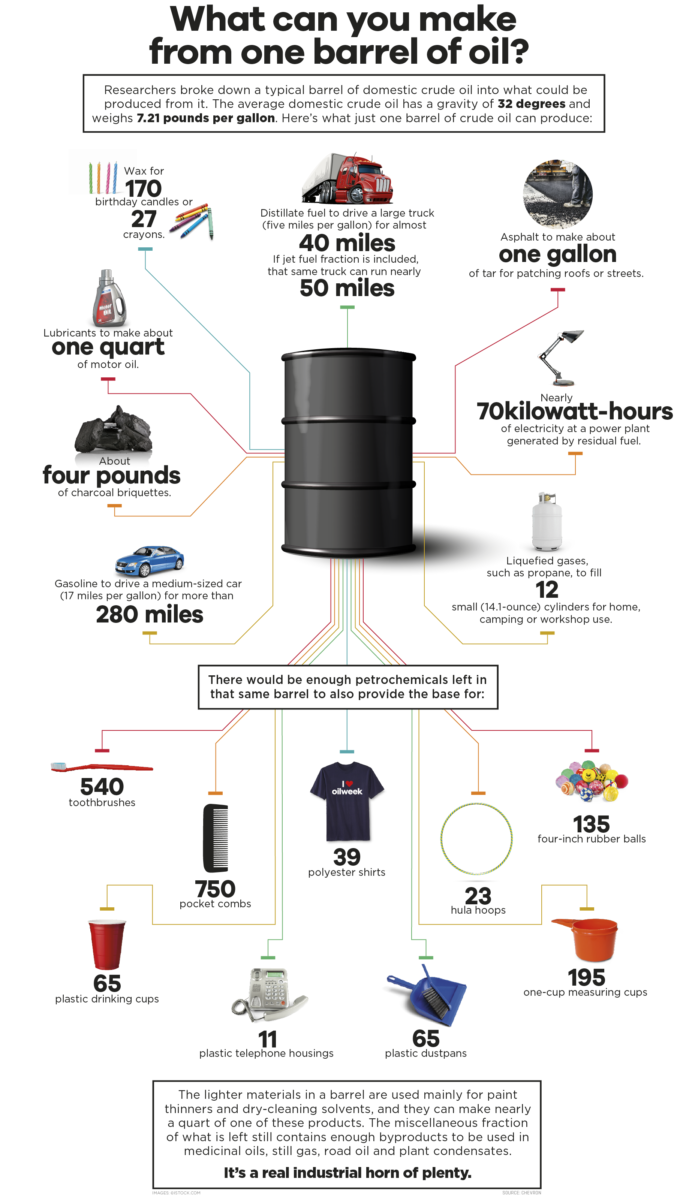
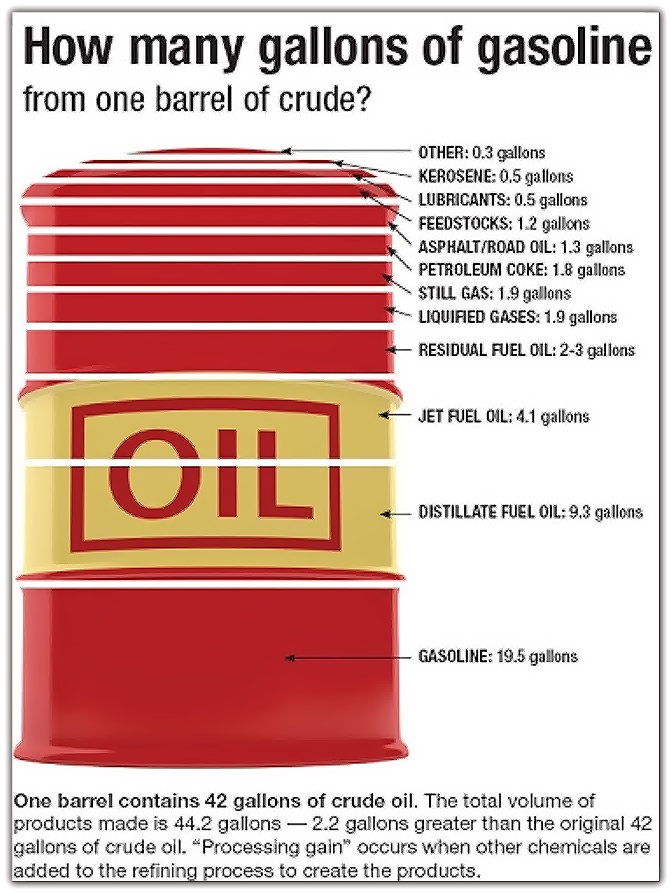
When we talk about a barrel of crude oil, it's easy to think it all just magically turns into gasoline for our cars. But oh, how wrong that assumption would be! That 42-gallon barrel is like a super concentrated ingredient box for modern life. It's refined into so many products we use every single day.
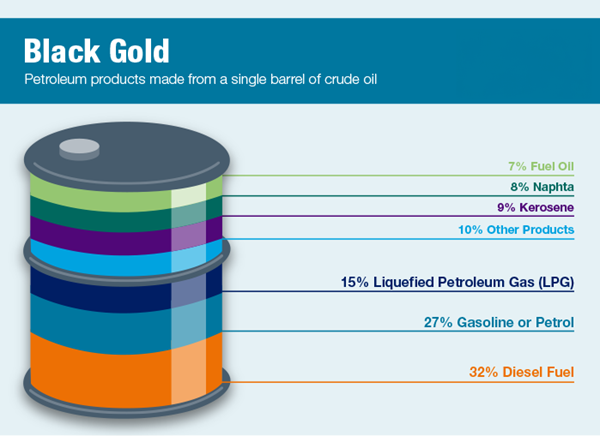
From that single barrel, you'll get about 19-20 gallons of gasoline. But you'll also get around 11-12 gallons of diesel and heating oil. And then there’s jet fuel (for those amazing flights!), asphalt (for our roads!), lubricants (for everything from car engines to industrial machinery!), waxes, and a whole host of petrochemicals that go into making plastics, fertilizers, medicines, synthetic fibers, and so much more. Think about your phone case, your eyeglasses, the tires on your car, even some of the clothes you're wearing – many of these owe their existence, in part, to crude oil. Pretty wild, right? It's not just fuel; it's the raw material for countless innovations.
Why This Standard Unit Still Matters Today
In a world where oil is traded globally, often by the millions of barrels every day, having a universal standard is absolutely crucial. Imagine the chaos if every country or even every company used a different definition of a "barrel"! The 42-gallon standard allows for clear communication, consistent pricing, and efficient transactions across continents. It's the lingua franca of the global energy market, ensuring everyone is literally on the same page when it comes to volume.
So, the next time you hear about oil prices fluctuating or discussions about global energy reserves, you can picture that specific, 42-gallon container. It's a small, tangible unit that represents a massive, complex, and utterly vital industry powering our world. From those leaky barrels in 19th-century Pennsylvania to the massive supertankers crossing oceans today, the humble 42-gallon barrel continues to be the fundamental measure of this incredible resource.
It’s a little piece of history, a practical solution, and a cornerstone of modern economics, all wrapped up in one quirky number. Who knew a simple question about gallons in a barrel could unveil such a fascinating story?