How Many Carbon Dioxide Detectors Do I Need
We’re all becoming a little more mindful about the air we breathe, aren't we? From fancy air purifiers to plants that promise to detoxify, there's a growing buzz around indoor air quality. And for good reason! Just like we monitor our steps, our sleep, or even our caffeine intake, paying attention to the invisible elements around us can make a real difference to our well-being. This is where the humble carbon dioxide (CO2) detector steps in, offering a peek into an often-overlooked aspect of our environment.
Think of it as your home’s personal air quality whisperer. While CO2 isn't directly toxic in the way carbon monoxide (a very different gas, remember!) is, elevated levels can quietly sabotage your day. Ever feel that afternoon slump even after a good night's sleep? Or find yourself struggling to focus in your home office? High CO2 could be the culprit! It can lead to drowsiness, headaches, reduced concentration, and even affect your sleep quality. Knowing your CO2 levels helps you ensure your space is adequately ventilated, promoting better health, sharper focus, and overall a more invigorating environment for you and your family.
So, where does this silent guardian come in handy? Everywhere! Many people find them invaluable in their home offices or study areas, especially if doors are often closed. Bedrooms are another prime spot, as CO2 can build up significantly overnight, impacting sleep quality and how refreshed you feel in the morning. Living rooms, particularly when entertaining guests, can also benefit from a monitor to prompt a quick window-opening session. Even in classrooms or meeting rooms, these detectors are proving to be essential tools for maintaining optimal learning and working conditions.
Must Read
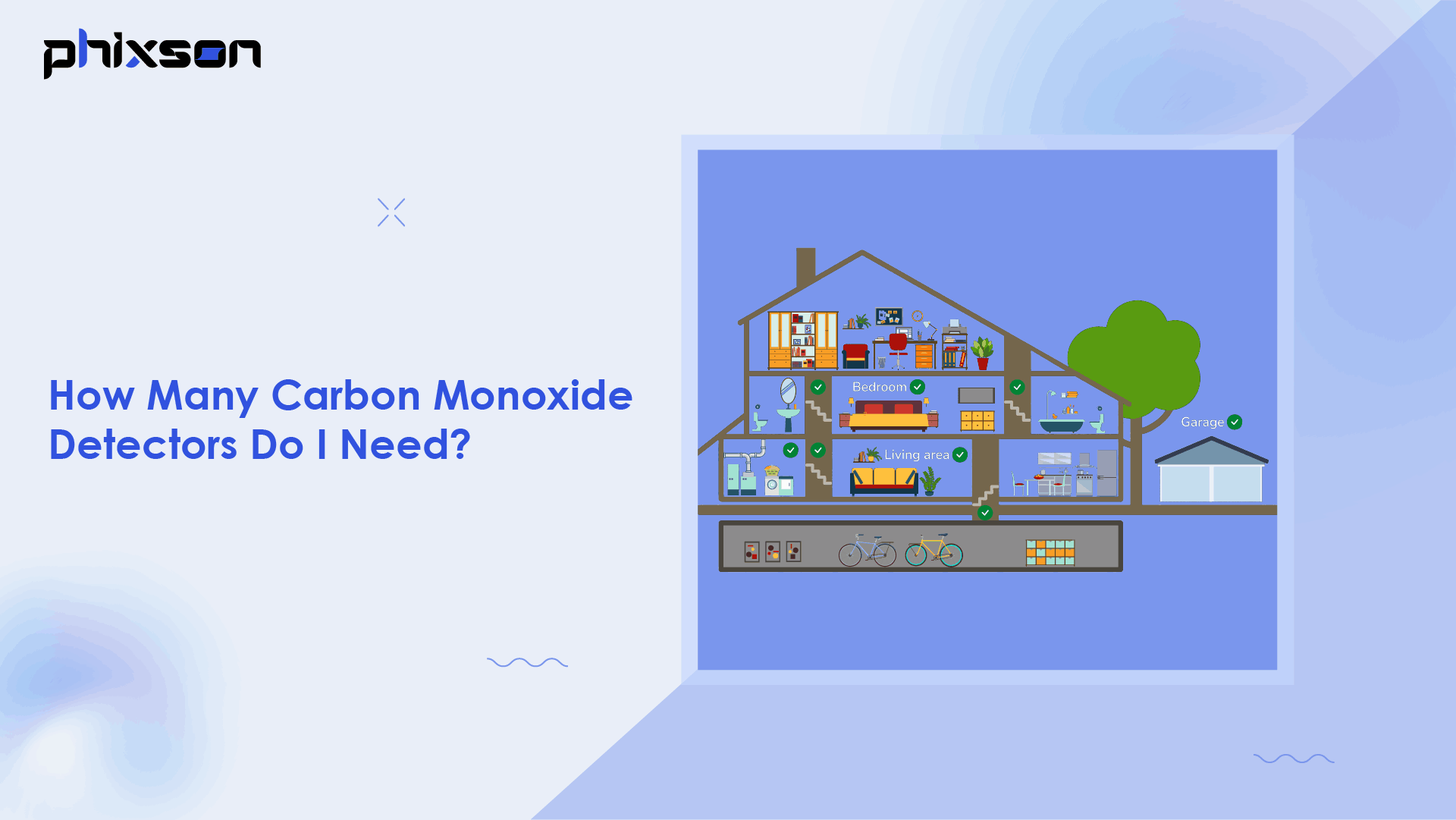
Now for the million-dollar question: How many do I actually need? There's no one-size-fits-all answer, but a practical approach is to aim for one detector per primary occupied room. This means your main bedroom, your home office, and your primary living space. If you live in an open-plan layout, one strategically placed detector might cover a larger area, but it's still wise to have a separate one for a dedicated office or bedroom. When placing them, remember to position the detector about three to six feet off the floor, away from direct drafts from windows or vents, and not too close to your face or breathing zone, as this can give artificially high readings.
To enjoy your CO2 detector most effectively, don’t just read the numbers; learn from them. Pay attention to how quickly levels rise when you close windows, or how different activities (like cooking or having company) affect them. Most detectors offer a clear digital display, often with color-coded indicators (green for good, yellow for moderate, red for high) to make understanding simple. When you see those numbers creeping up, it’s your cue to open a window or door for a few minutes and get some fresh air flowing. This isn’t about constant monitoring and anxiety; it’s about gaining actionable insight to create a truly healthier and more productive living space. Happy breathing!