
How Long Does Water Take To Boil
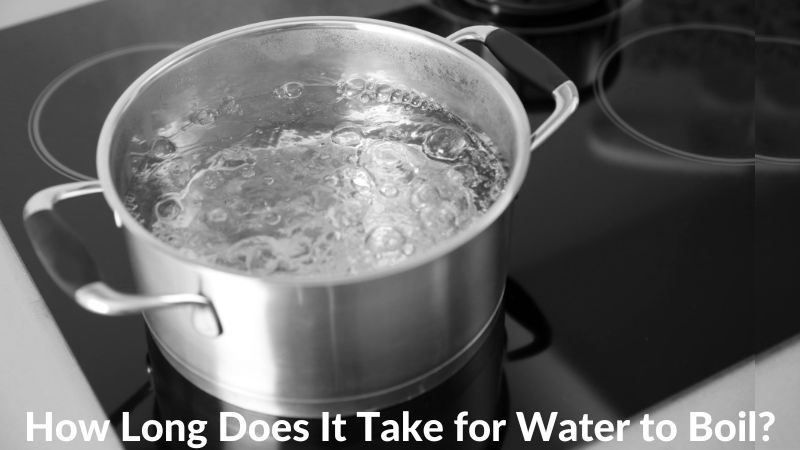
Let's talk about boiling water. Sounds simple, right? But have you ever actually timed it? Or wondered why it seems to take forever when you're staring at the pot, willing it to bubble?
The truth is, the time it takes water to boil isn't a fixed number. It's more of a fluid (pun intended!) equation influenced by several factors. Let's break it down in a way that's less "chemistry class" and more "chatting over a cuppa."
The Science Behind the Simmer
At its core, boiling water is about reaching the magic temperature of 212°F (100°C) at sea level. You're essentially pumping energy into the water molecules, making them move faster and faster until they overcome the forces holding them together and escape as steam. Think of it like a tiny rave happening inside your saucepan!
Must Read
So, how long does this rave take? Well, here's where those influencing factors come into play:
* The Quantity of Water: Obviously, more water means more molecules need a boost. A single cup will boil much faster than a gallon. Think of it like trying to get a small group dancing versus filling the entire dance floor. * The Starting Temperature: Did you fill your pot with cold tap water or slightly warmer water? The warmer the starting point, the less energy you need to add to reach boiling point. Pro Tip: Use hot tap water for a head start, but be aware that hot tap water may contain more dissolved minerals. * The Altitude: Higher altitudes mean lower atmospheric pressure. This means water boils at a lower temperature. In Denver, the "Mile High City," water boils closer to 202°F (94°C). So, your tea might be technically ready faster, but you might not get the same extraction from the tea leaves. * The Type of Pot: A wider pot exposes more surface area to the heat, but a thinner pot might heat up faster. Ultimately, a pot with good heat conductivity (like stainless steel or copper-bottomed) will perform best. And a lid? Absolutely use a lid! It traps the heat and significantly speeds up the process. * The Heat Source: A powerful gas burner will generally boil water faster than an older electric stove or a microwave. Electric kettles are specifically designed for rapid boiling and are often the speediest option.Practical Boiling Times (Give or Take!)
Alright, enough theory. Let's get to the ballpark figures. Remember, these are just estimates:

These timings depend heavily on the factors we discussed. It's always best to keep an eye on the pot and look for those telltale bubbles.
Boiling Water Around the World
Boiling water is a universal act, but the rituals surrounding it vary greatly. In Japan, the art of the tea ceremony (Chado) elevates the simple act of boiling water to a meditative practice. The sound of the water heating is carefully listened to and appreciated.

In many cultures, boiled water is essential for making coffee, tea, or herbal remedies. It's a cornerstone of hospitality and a simple act of care.
Tips and Tricks for Faster Boiling
* Use a kettle: Electric kettles are designed for speed and efficiency. * Cover the pot: Trapping the heat is crucial. * Start with hot tap water: But be mindful of potential mineral content. * Use the right pot: Opt for a pot with good heat conductivity. * Don't overfill: Boiling less water will always be faster.A Moment of Reflection
Boiling water is a small, everyday task, but it's a reminder that even the simplest things are influenced by a multitude of factors. It's a lesson in patience (especially when you're craving that morning coffee!) and a reminder to appreciate the small moments in life.
Next time you're waiting for the kettle to boil, take a deep breath, and maybe even appreciate the science behind the simmer. And remember, good things often come to those who wait (or at least those who have a good kettle!).

