How Long Does Muffled Hearing Last
Ever walked out of a loud concert or a swimming pool and felt like someone stuffed cotton balls in your ears? That’s the dreaded muffled hearing. It's that strange, underwater feeling where everything sounds distant and… well, muffled! But how long does this auditory oddity usually stick around? And more importantly, why does it even happen?
Let's dive in (pun intended!) and explore the world of temporary hearing weirdness. Think of your ear like a tiny, intricate sound-catching antenna. When everything's working smoothly, sounds travel through your ear canal, vibrate your eardrum, and then tiny bones in your middle ear pass those vibrations along to your inner ear. The inner ear then translates these vibrations into signals that your brain can understand. It’s a pretty amazing process, right?
The Usual Suspects: Why Muffled Hearing Happens
So, what throws a wrench into this finely tuned machine? A few common culprits are usually to blame:
Must Read
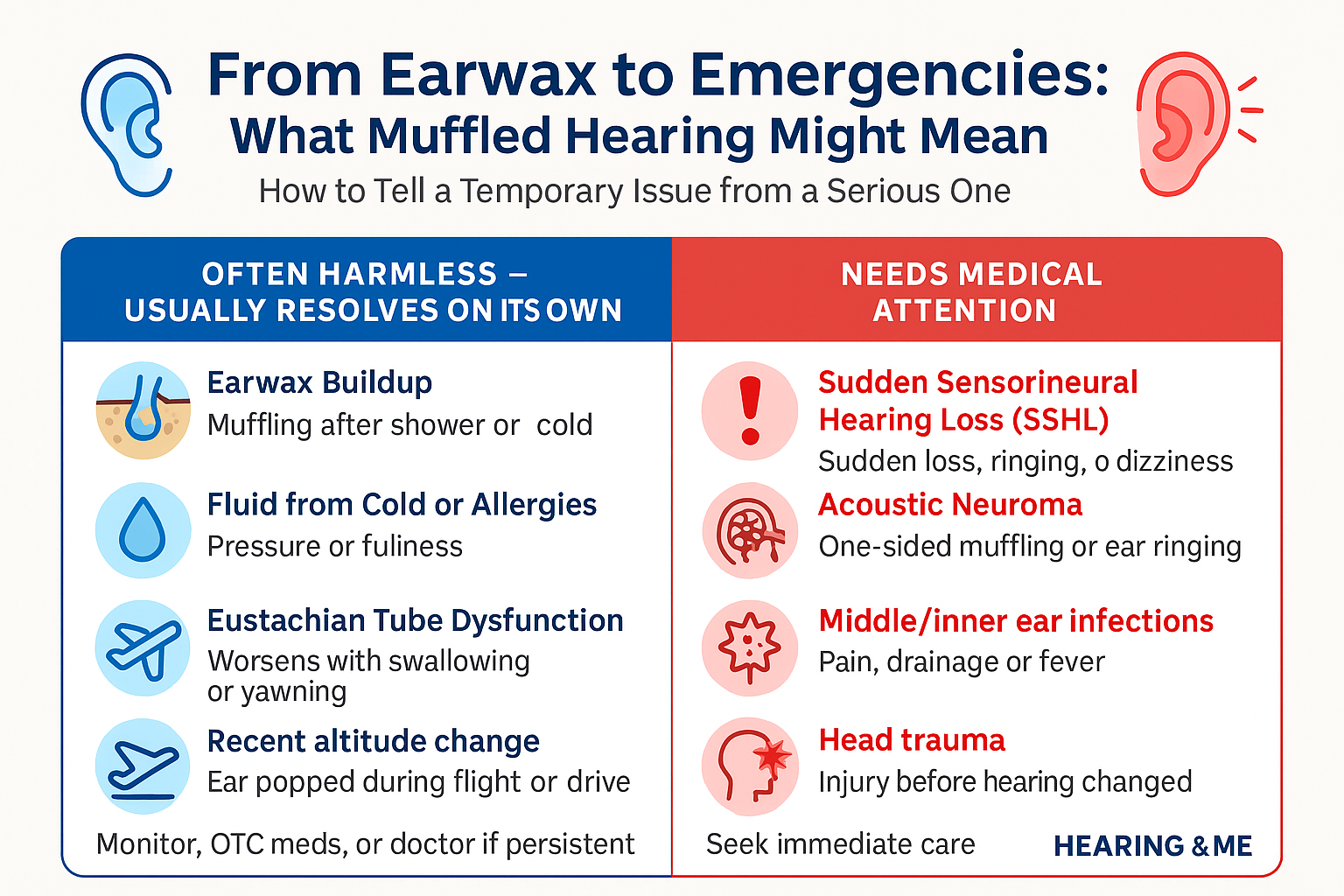
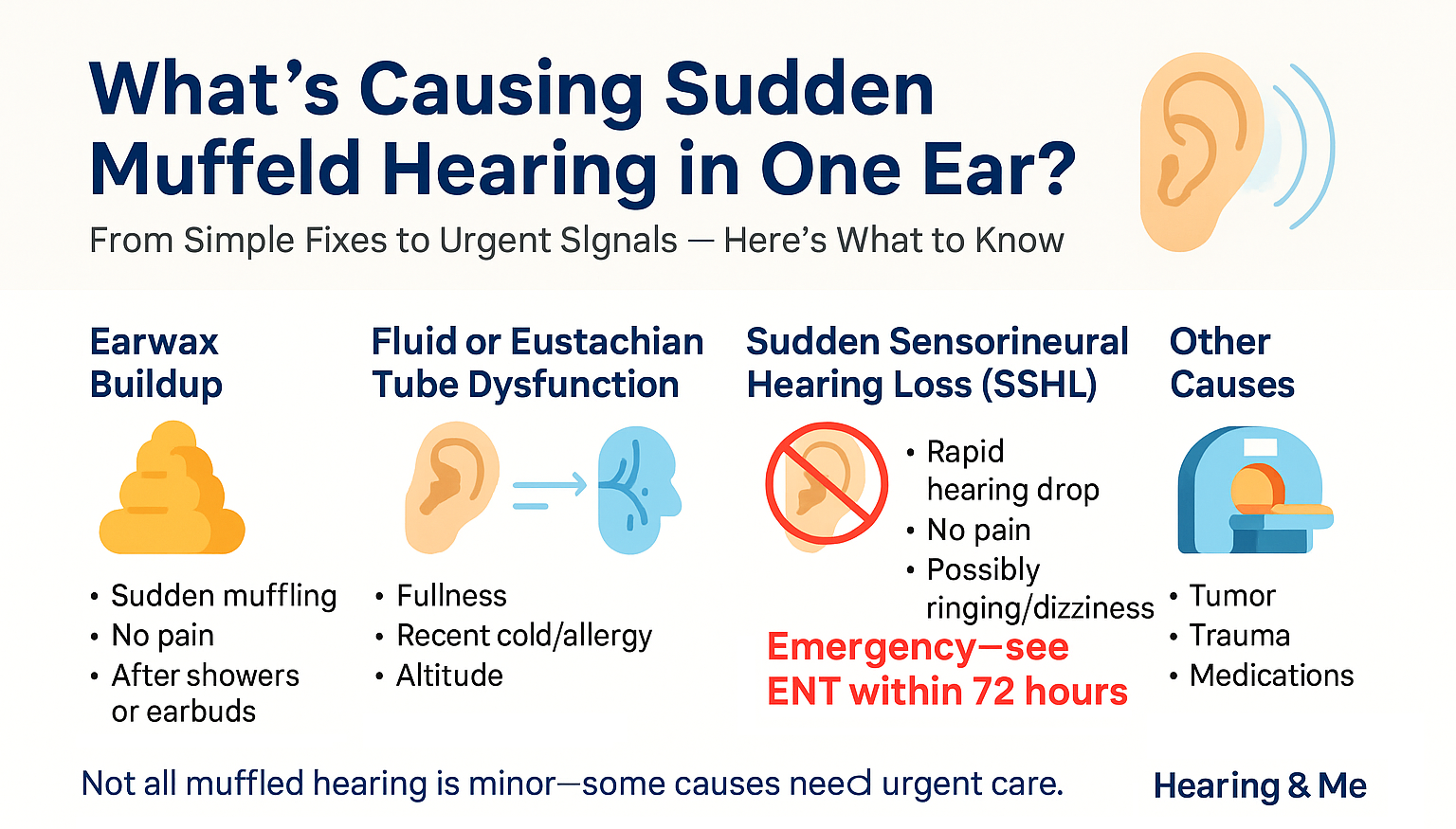
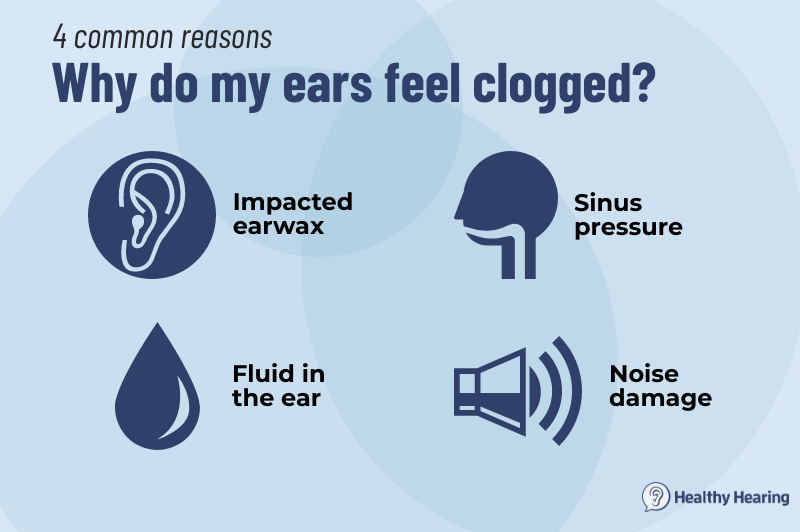
- Excess Earwax: Think of earwax as your ear's personal bouncer, keeping out dust and other unwelcome guests. But sometimes, this bouncer gets a little overzealous and builds up too much, creating a sound barrier.
- Fluid in the Middle Ear: This is super common after a cold or sinus infection. The Eustachian tube, which connects your middle ear to the back of your throat, can get blocked, trapping fluid. This is why you sometimes feel like you're hearing the world through a thick blanket.
- Loud Noises: Remember that concert? Or maybe you're a big fan of power tools? Loud noises can temporarily damage the hair cells in your inner ear that are responsible for hearing. This is like overworking your favorite running shoes – they might feel a little off for a bit.
- Changes in Air Pressure: Think about flying in an airplane or going through a mountain pass. The pressure changes can cause your Eustachian tube to struggle to equalize the pressure in your middle ear, leading to that muffled feeling.
How long does it last though? Let's get to the good stuff.
The Timeline: From Muffled to Magnificent (Hopefully!)
The duration of muffled hearing really depends on the cause. Here’s a general guideline:
- Earwax Buildup: This can linger until the wax is removed. We're talking days, weeks, or even longer if left untreated. Don’t try to dig it out yourself with a cotton swab, you might just push it further in! See a doctor or use over-the-counter earwax removal drops.
- Fluid in the Middle Ear: Usually clears up within a few days to a couple of weeks as the infection or congestion subsides. Over-the-counter decongestants or nasal sprays might help. If it persists for longer than a few weeks, definitely see a doctor.
- Noise-Induced Muffled Hearing: This is often temporary and resolves within a few hours to a day. Think of it as your ears needing a good nap. However, repeated exposure to loud noises can cause permanent damage over time, so protect those precious ears! Wear earplugs! They're way cooler than permanent hearing loss.
- Pressure Changes: Generally disappears within minutes to a few hours as your Eustachian tube does its job and equalizes the pressure. Chewing gum, yawning, or swallowing can help speed things up.
Basically, if your muffled hearing is from a quick plane ride or a mildly loud party, it will probably clear up by the next morning. If you have a cold or a build up of earwax, then it might stick around longer.
When to Call in the Pros: Don't Play the Waiting Game Forever
While temporary muffled hearing is often harmless, there are times when it's important to seek medical attention. So, when should you consult a doctor? Glad you asked!

- If your muffled hearing lasts for more than a week or two. Something more serious might be going on.
- If you experience pain, dizziness, or drainage from your ear. These symptoms could indicate an infection.
- If you have sudden hearing loss in one ear. This is a medical emergency and requires immediate evaluation.
- If you have other symptoms, such as a fever, headache, or stiff neck. This might indicate a more serious underlying condition.
Think of your hearing like the sound system in your favorite car. A little static is okay, but if the whole thing cuts out, it's time to see a mechanic (or, in this case, a doctor!).
So, there you have it! The lowdown on muffled hearing. It’s usually a temporary nuisance, but knowing what's causing it and when to seek help can keep your ears happy and healthy for years to come. And remember, protect your hearing! It's a gift that's worth preserving. Now go forth and listen to the world – clearly!