How Long Does Magnesium Stay In Body

Ever wondered how long magnesium chills in your body after you, say, inhaled a handful of trail mix (pretending you're not just eating the almonds because they're "healthy")?
It's a valid question! And the answer? Well, it’s a bit like asking how long a houseguest stays. Some are quick visits, others… linger. (Unpopular opinion: All houseguests eventually overstay their welcome. Even the ones who do the dishes.)
The Quick In and Out: Magnesium's Journey
Think of magnesium less like a permanent resident and more like a tourist. Your body absorbs it from food (or supplements, if you're fancy). Then, it gets used for a bunch of important jobs. We're talking muscle function, nerve transmission, energy production - the whole shebang!
Must Read
But here's the catch. Your body isn't a hoarder. It doesn't cling to excess magnesium like I cling to comfy sweatpants on a Sunday. It gets rid of what it doesn't need through… well, let's just say "waste removal processes."
The rate at which this happens varies from person to person. It's influenced by factors like kidney function, how much magnesium you're already getting, and even your stress levels (because stress affects everything, doesn't it?).

The Mystery of the Magnesium "Half-Life"
Scientists love to talk about "half-lives." This is the time it takes for half of a substance to be eliminated from the body. Finding the exact half-life of magnesium is tricky because it resides in bones, muscles, and soft tissues, not just blood.
However, research suggests that the half-life of magnesium can be roughly estimated. Let's say we are talking about 42 hours. But that can vary a lot!
Basically, that means about half of the magnesium you absorbed will be gone in roughly two days. The rest will take longer to clear out, depending on how your body decides to distribute its resources.
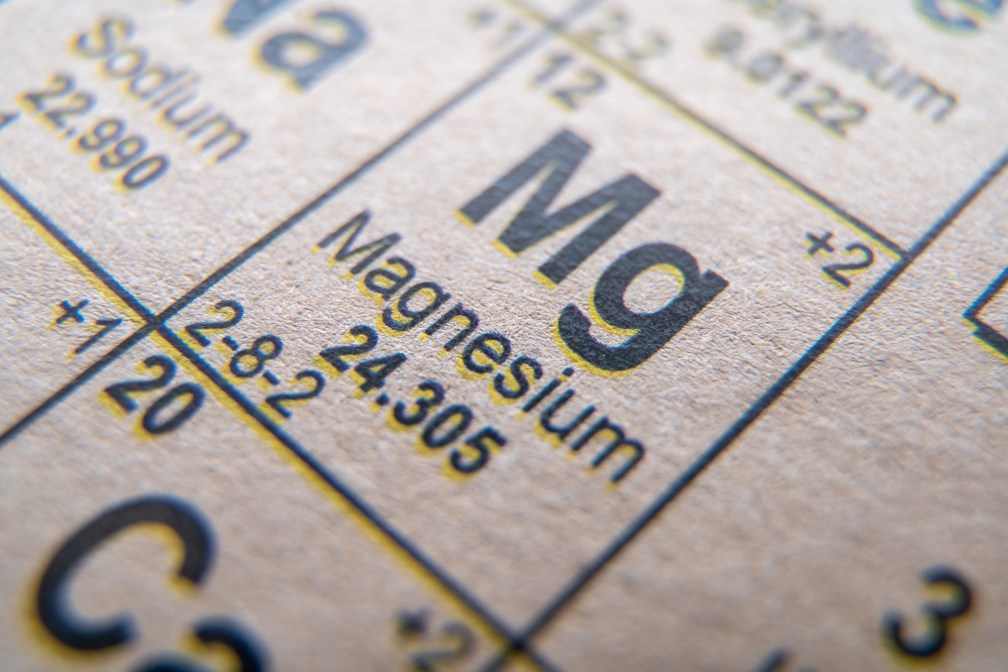
Factors Influencing Magnesium Levels
Alright, let's dive into the nitty-gritty! Several things can affect how long magnesium sticks around:
- Kidney Function: Healthy kidneys are essential for regulating magnesium levels. If they're not working optimally, magnesium can build up or be excreted too quickly.
- Diet: Obviously, the more magnesium you consume, the more there is to process. Think of it like cleaning your room. The messier it is, the longer it takes!
- Medications: Certain medications can interfere with magnesium absorption or excretion. Always chat with your doctor about potential interactions.
- Stress: Stress depletes magnesium. It’s like your body is yelling "Emergency! We need all the magnesium we can get!"
- Age: As we age, our bodies become less efficient at absorbing and retaining nutrients, including magnesium. (Unpopular opinion: Aging is a scam.)
So, How Long Does Magnesium Really Stay?
Here's the honest truth: there's no one-size-fits-all answer. It's not like magnesium sends out a group text announcing its departure date. However, based on what we know about half-lives and influencing factors, we can say that magnesium is typically processed and eliminated from the body within a few days to a couple of weeks.

The best way to ensure you're getting enough magnesium is to eat a balanced diet and, if necessary, consider supplementation under the guidance of a healthcare professional. And maybe, just maybe, don’t stress so much. (Easier said than done, I know.)
Think of it like this: magnesium is a vital nutrient that plays a crucial role in many bodily functions. Your body uses it efficiently, but it needs a constant supply to keep things running smoothly. So, keep those magnesium-rich foods coming!
"Magnesium is essential for health. Make sure you get enough!" - Some Smart Person (Probably)
And remember, if you suspect you have a magnesium deficiency, consult with a healthcare provider. They can assess your individual needs and recommend the best course of action. Now, if you'll excuse me, I'm off to eat a handful of almonds. For "health" reasons, of course.