
How Long Before An Infant Car Seat Expires
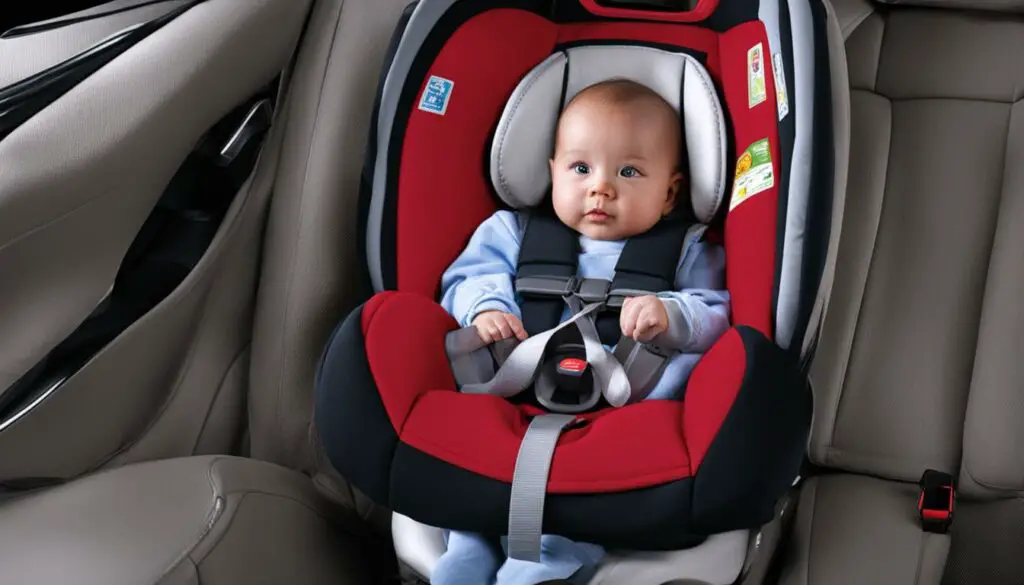
Okay, buckle up, buttercup! Let's talk about something that might just blow your mind, or at least make you arch an eyebrow in delightful surprise: your infant car seat. You know, that glorious contraption that ferries your tiny human around like royalty? Well, prepare yourself, because it comes with a secret countdown.
Yup, you heard that right. That shiny, sturdy car seat isn't like a fine wine, getting better with age. Oh no, it’s got an expiration date. Mind blown yet? Mine was, the first time I heard it!
The Great Car Seat Mystery: Why a "Best By" Date?
You’re probably thinking, "Wait, what? It's not food! It's not a dairy product!" And you're absolutely right! But imagine this: a car seat is like a tiny, intricate spaceship designed to protect your most precious cargo. And just like any high-tech gadget, its components have a shelf life.
Must Read
Think about it. These things sit in your car, baking in the summer sun, freezing in the winter chill. They get bumped, jostled, cleaned with various wipes, and sometimes, let's be honest, have unidentified sticky substances permanently bonded to them. All of that environmental stress takes a toll.
The primary culprit? Plastic fatigue. Car seats are made from highly engineered plastics. These aren't your average Tupperware containers. They're designed to withstand incredible forces in a crash. But over time, sunlight (UV rays!), extreme temperatures, and daily wear and tear can degrade the plastic. It can become brittle, less resilient, and ultimately, less protective.
It's like a superhero losing their powers, slowly but surely. You wouldn't want a slightly less super superhero guarding your baby, would you?

The Ever-Evolving World of Tiny Human Safety
Beyond the plastic getting a bit cranky, there's another super important reason: safety standards evolve. Car seat technology is constantly improving. Seriously, the engineers behind these things are like mad scientists, but for good! New materials, better impact absorption, and more rigorous testing protocols emerge all the time.
What was considered cutting-edge safety five, six, or seven years ago might be outdated today. An expired car seat means it doesn't meet the most current, stringent safety requirements. And when it comes to your little one, you want the absolute best protection money can buy, right?
It's like comparing a flip phone to the latest smartphone. Both make calls, but one is clearly superior in every other way, especially when your baby's safety is on the line.

The Treasure Hunt: Finding the Mysterious Date
So, where do you find this elusive expiration date? It's not usually emblazoned on the side in giant letters. Oh no, that would be too easy! Manufacturers like to make it a little game of hide-and-seek.
Grab your car seat and channel your inner detective. You're typically looking for a sticker or a stamp. It could be on the bottom of the seat, on the back, or sometimes tucked away in a crevice. Look for words like "Do Not Use After," "Expiration Date," or a specific date of manufacture (DOM) from which you can usually add six or seven years (check your specific car seat manual for its exact lifespan).
Sometimes it's even molded directly into the plastic itself! It's like a secret code only the initiated (now you!) can decipher. Finding it feels like discovering an Easter egg.
The Lifespan Lowdown: How Long Do We Really Get?
Most infant car seats have a lifespan of about six to seven years from their date of manufacture. Not from the date you bought it, mind you, but from the day it rolled off the assembly line. That's a crucial distinction!

Why so specific? Because that's how long the engineers predict the materials will hold up under normal use and how quickly safety standards are likely to advance significantly.
So, if you're planning on reusing a car seat for a second or third child, or borrowing one from a friend, this date becomes super important. You definitely don't want to use one past its prime, even if it looks perfectly fine on the outside.
What Happens When It's Time to Say Goodbye?
When your car seat finally reaches its expiry date, it's time for a proper send-off. And by "send-off," I mean don't just toss it in the regular trash or, even worse, donate it. An expired car seat, even if it looks pristine, is a safety hazard.
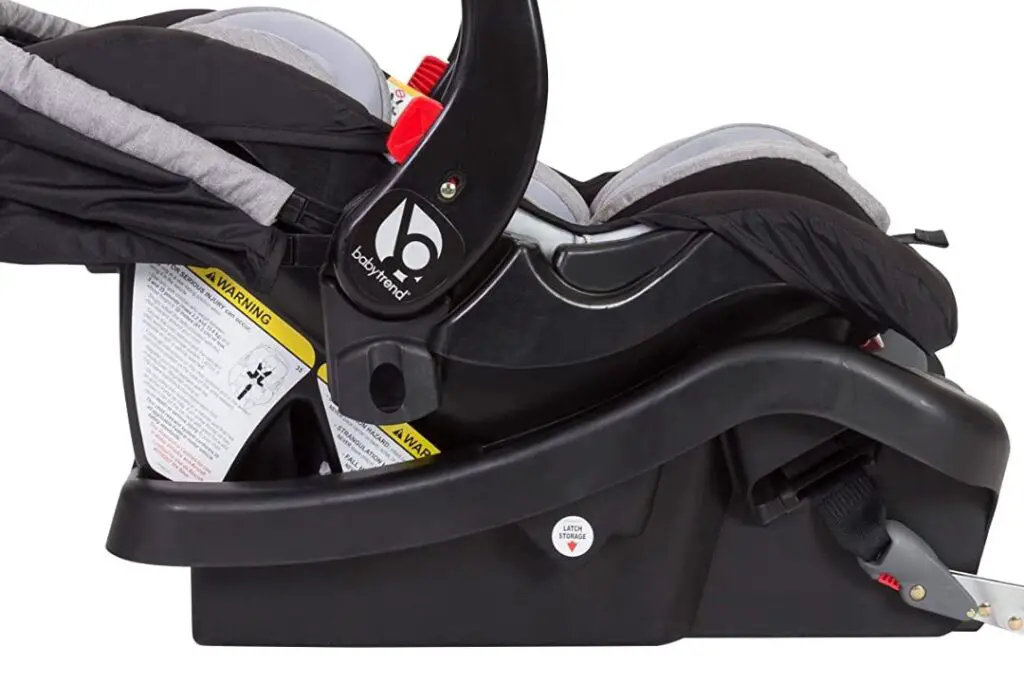
The best practice is to cut the straps, dismantle it as much as possible, and clearly mark it as "EXPIRED." Many communities have car seat recycling programs, or you might be able to take it to a local waste facility that handles large plastic items. Some retailers even offer trade-in events for discounts on new seats.
Think of it as respectfully retiring a loyal protector. It served its purpose valiantly, but now it's time for it to hang up its tiny, plastic cape.
Embrace the Quirky Fun of It All!
Honestly, learning about car seat expiration dates is just one of those wonderfully quirky facts about parenting that makes you chuckle. It's unexpected, a little bit weird, and totally fascinating. It’s a testament to how much thought and engineering goes into even the smallest aspects of baby safety.
So go on, impress your friends at the next playdate with this nugget of knowledge. You'll be the resident car seat expiration guru, and that's a title worth having!