
How Long Are Whales Pregnant For

Ever wonder how long whales are pregnant? Get ready for some seriously long baby showers! Whale pregnancies are surprisingly lengthy. It's like waiting for Christmas, but for over a year!
The Whale of a Wait: Gestation Periods
Different whale species have different gestation periods. Some pregnancies are shorter, and others are super long. It's kind of like how human pregnancies vary a bit too.
Toothed Whales: A Shorter (But Still Long!) Wait
Let's start with the toothed whales. Think of dolphins, porpoises, and belugas. Their pregnancies are generally shorter than their baleen whale cousins.
Must Read
Many toothed whales are pregnant for around 10 to 18 months. That's still a really long time! Imagine carrying a baby for over a year!
Some smaller dolphins like the harbor porpoise have shorter gestations. They're pregnant for around 11 months. They are like the sprinters of the whale pregnancy world.
Baleen Whales: The Long-Distance Runners
Now, let's talk about baleen whales. These giants include humpback whales, blue whales, and gray whales. Their pregnancies are seriously impressive.
Baleen whales are pregnant for much longer. We are talking about a year or even longer! That's a serious commitment to motherhood.

Most baleen whales are pregnant for around 11 to 13 months. A gray whale, for instance, typically carries its calf for about 12 to 13 months. That's more than a full calendar year!
The Blue Whale: The Queen of Long Pregnancies
The blue whale, the largest animal on Earth, takes the cake! These gentle giants are pregnant for around 10-12 months. That is about the same as the rest of the Baleen whale family.
Carrying a calf that will eventually weigh tons is no easy feat! So, they have earned the title, Queen of Long Pregnancies.
Why So Long?
You might be wondering why whale pregnancies are so long. Well, a few factors come into play.

Whale calves are born relatively large. They need time to develop properly inside their mothers. Imagine baking a giant cake, it takes more time, right?
Also, whales live in the ocean. Baby whales need to be strong and developed enough to survive in the marine environment from day one. They need to be able to swim, breathe, and keep up with their mothers.
A Whale of a Tale
Whale pregnancies are a fascinating part of their lives. It really shows how much work whale mothers put into bringing up their young!
Think about the energy and resources it takes to gestate a calf for over a year. It's a true testament to their maternal dedication. That's why motherhood is so admirable.
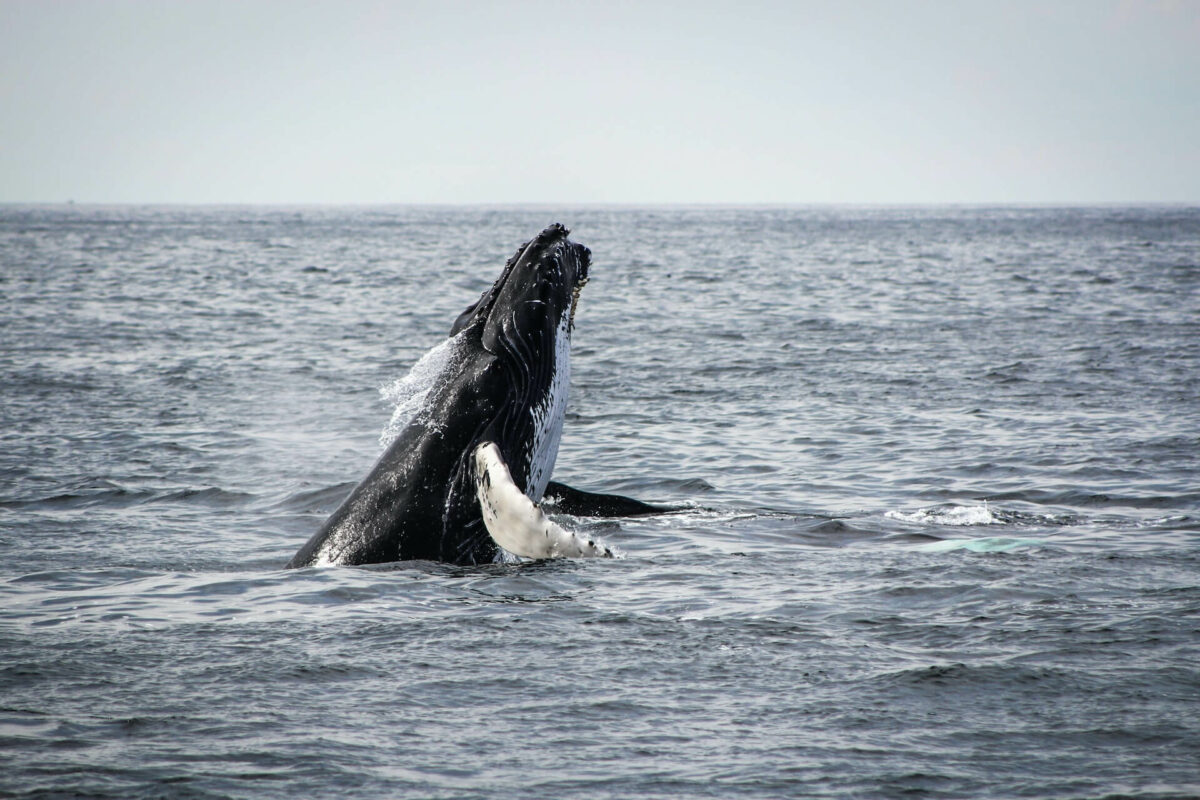
Next time you see a whale, remember the incredible journey the mother went through. It's a reminder of the wonders of nature and the dedication of animal mothers.
Fun Facts to Share
Here are a few fun facts you can share with your friends!
Whale calves are usually born tail-first. This helps prevent them from drowning during birth.
Baby whales, or calves, drink their mother's milk. Whale milk is super rich in fat, which helps the calves grow quickly.

Mother whales are very protective of their calves. They will often stay close to them for several months or even years. The mother-calf bond is very strong.
Dive Deeper into the Whale World
Want to learn more about whales and their incredible lives?
Check out some documentaries about whales. There are tons of amazing films that showcase their behavior and biology. It's like going on a virtual whale watching tour.
Many organizations are dedicated to whale conservation. Learn about their work and how you can help protect these magnificent creatures. Let's keep these whales around for generations to come!
So, next time you're looking for a fascinating topic, remember the whale of a wait! Their long pregnancies are just one of the many amazing things that make these animals so special.
"It's amazing to think about those 10 - 13 months!"