How High Should Carbon Monoxide Detectors Be Installed
.jpg)
Ever notice how some things just bring a certain sense of calm to your life? Maybe it’s a perfectly organized spice rack, a freshly brewed cup of coffee, or the knowledge that your home is a sanctuary, protected from unseen dangers. That last one, the feeling of safety and peace of mind, is something we all cherish. It’s why we lock our doors, check our smoke detectors, and yes, even ponder the humble carbon monoxide detector. These quiet guardians might not spark joy in the same way a new gadget does, but their presence allows us to rest easy, knowing we’ve taken a vital step in protecting our loved ones.
The benefit of a carbon monoxide (CO) detector isn't just a luxury; it's a profound necessity. CO is often called the "silent killer" for a reason: it's an invisible, odorless, tasteless gas. It’s produced when fuels like gas, oil, kerosene, wood, or charcoal don't burn completely. In everyday life, this means faulty furnaces, leaky gas stoves, clogged chimneys, or even running a car in an attached garage can produce dangerous levels of CO. The purpose of these detectors is simple yet life-saving: to give you an early warning before CO levels become harmful, or even fatal. They literally bridge the gap between an unseen threat and your ability to act, turning potential tragedy into a simple alarm and evacuation.
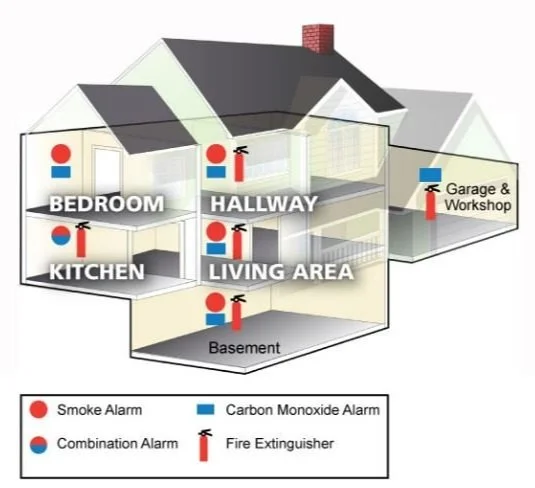
So, where do these little heroes fit into your home? Common applications include placing them near sleeping areas, on every level of your home, and especially near any attached garage or fuel-burning appliances. But here's where things often get a little hazy for many homeowners: how high should they be installed? It’s a question that often confuses people, primarily because we tend to conflate CO detectors with their smoke-detecting cousins.
Must Read
Here are some practical tips to ensure your CO detectors are doing their job effectively. Unlike smoke, which always rises, carbon monoxide mixes fairly evenly with the air. However, at room temperature, it's actually slightly lighter than air, but not enough to "float" to the ceiling like smoke. Over time, CO will disperse throughout a room. So, the old adage of "install it high like a smoke detector" isn't entirely accurate, nor is "install it low because CO sinks."
The most important tip? Always consult the manufacturer’s instructions first! They are the ultimate authority for your specific device. However, general guidance often recommends installing CO detectors at a height where they can best sample the air in a breathing zone. This usually means about chest height to five feet off the floor. Some manufacturers also approve ceiling installation, typically recommending at least 1 foot from the wall. The key is to avoid placing them:
- Directly above or next to fuel-burning appliances (false alarms from harmless combustion byproducts).
- Near windows, doors, or vents (drafts can prevent CO from reaching the sensor).
- In direct sunlight or extreme temperatures (can affect sensor performance).
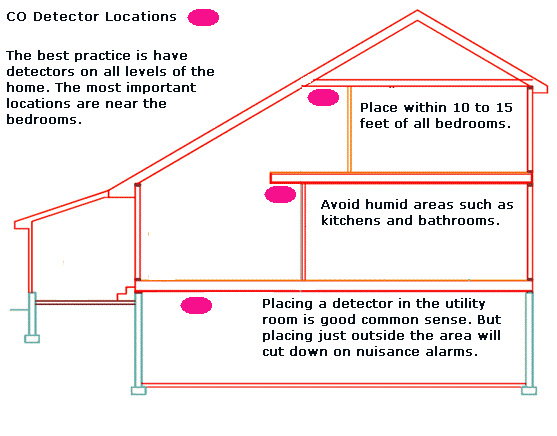
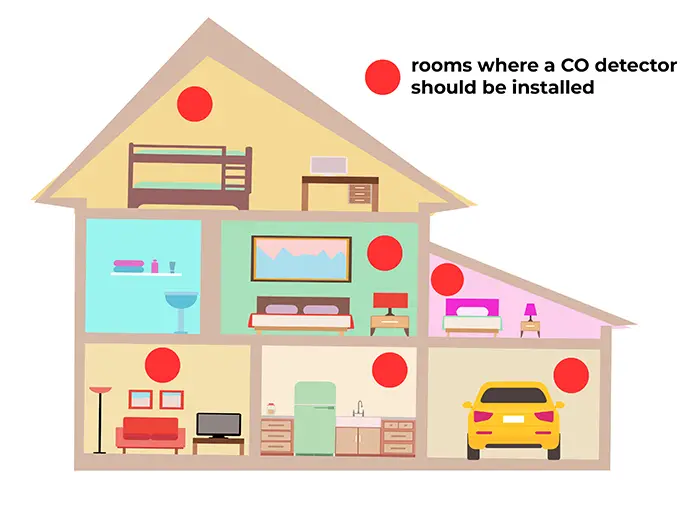
Aim for a central location on each level, especially near bedrooms. For optimal protection, ensure you have at least one CO detector on every level of your home, and within 15 feet of every sleeping area. Don't forget regular maintenance either: test your detectors monthly, replace batteries annually, and remember that the units themselves have an expiration date – typically 5-7 years. By understanding how CO behaves and following these installation guidelines, you’re not just installing a device; you’re installing profound peace of mind, allowing everyone in your home to breathe a little easier.