
How Far Can I Drive On A Spare Tire

Ever wondered just how far you can push it on that funny-looking spare tire? It's a question that's crossed everyone's mind at some point, usually when we're stranded and a little stressed. But hey, let's make it fun!
The Great Spare Tire Adventure: How Long Can It Last?
Okay, picture this: you're cruising down the highway, singing along to your favorite tunes, when BAM! A flat tire ruins the party. Time to bust out the spare. But how long can you actually drive on it?
The answer isn't as straightforward as you might think. It's like a choose-your-own-adventure book, but with more rubber and less fantasy. Think of the variables: the type of spare, the road conditions, and even your driving style play a role.
Must Read
Unveiling the Mystery of the Temporary Spare
Let's talk about the most common type: the temporary spare, also known as the "donut." These little guys are designed for one thing: getting you to safety. Not exactly for cross country trips.
They're smaller, lighter, and generally less durable than your regular tires. Think of them as the emergency rations of the tire world.
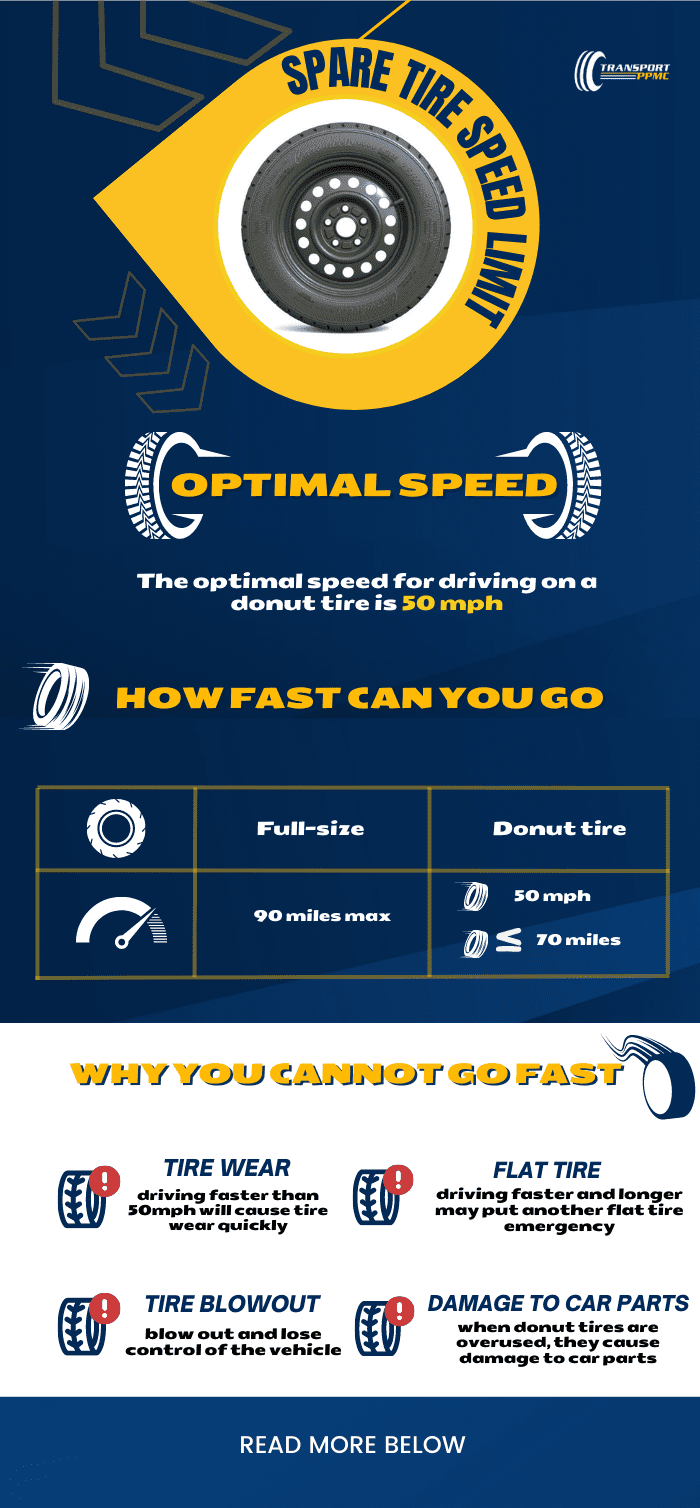
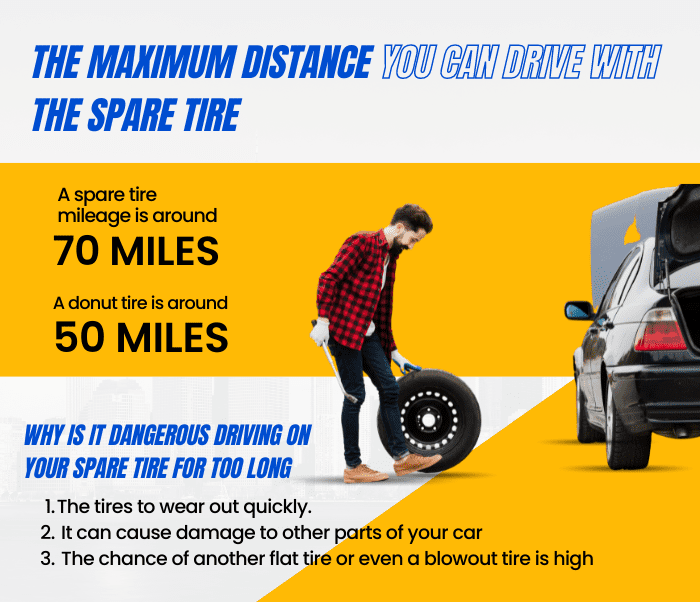
So, what's the magic number? Most manufacturers recommend a maximum speed of 50 mph and a distance of 70 miles. Consider them guidelines though and less strict rules.
Full-Size Spares: The Uncommon Hero
Now, if you're lucky enough to have a full-size spare, things get a little more interesting. These spares are the same size and type as your regular tires.
That means you could technically drive on them indefinitely. But, hold your horses!
Even with a full-size spare, there might be a catch. Check if it matches your other tires exactly. Differences in tread wear can cause issues.
The Plot Thickens: Considering All the Factors
Regardless of the type of spare, there are some key factors to consider. These can dramatically affect your driving distance and safety. Think of them as clues in a mystery.
Road conditions, for example, are a big deal. Driving on smooth asphalt is a lot different than tackling bumpy gravel roads. Rough roads add extra stress to the tire.
Your driving style also matters. Aggressive acceleration and hard braking will wear down your spare much faster. Take it easy and drive smoothly to maximize its lifespan.
The Grand Finale: What Happens If You Ignore the Rules?
So, what happens if you decide to ignore the recommended limits? Well, you're playing a risky game. Picture a dramatic scene where a tire bursts and leaves you stranded.
Driving too fast or too far on a temporary spare can cause it to fail. This could lead to a loss of control and a potentially dangerous situation. It’s just not worth it.

Plus, damaging your spare tire could leave you stranded again if you get another flat before you can get it replaced.
The Moral of the Story: A Dash of Caution and a Sprinkle of Adventure
Ultimately, driving on a spare tire is about balancing caution and a bit of adventure. Treat your spare with respect, follow the recommendations, and get your flat tire repaired or replaced as soon as possible.
Think of it as a temporary fix, not a permanent solution. Safety first, always!
So, next time you find yourself staring at that spare tire, remember this little guide. Drive smart, drive safe, and maybe even enjoy the adventure a little.
Bonus Tip: Always Check Your Spare Tire!
One last thing! Before you even need your spare tire, make sure it's in good condition. Check the pressure regularly and inspect it for any signs of damage.
A flat spare is just adding insult to injury during an emergency. A little bit of prep work can save you a lot of headaches later on.
Now go forth and be prepared! And remember, sometimes the unexpected detours lead to the most interesting stories.