How Efficient Are Oil Filled Radiators

Ever felt that chill creeping in despite your central heating working overtime? Or maybe you're trying to warm up a specific room without cranking up the thermostat for the entire house? That's where the humble oil-filled radiator steps in. But here's the real question: how efficient are these things, really? It’s a question worth asking if you want to save money on your energy bill while staying snug.
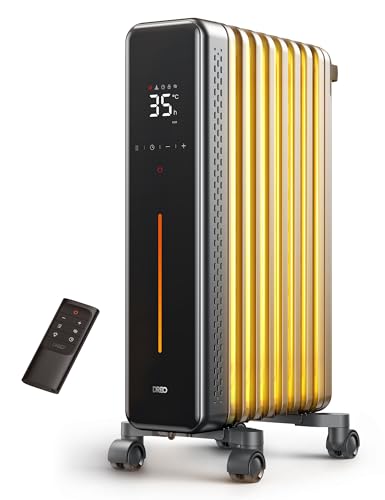
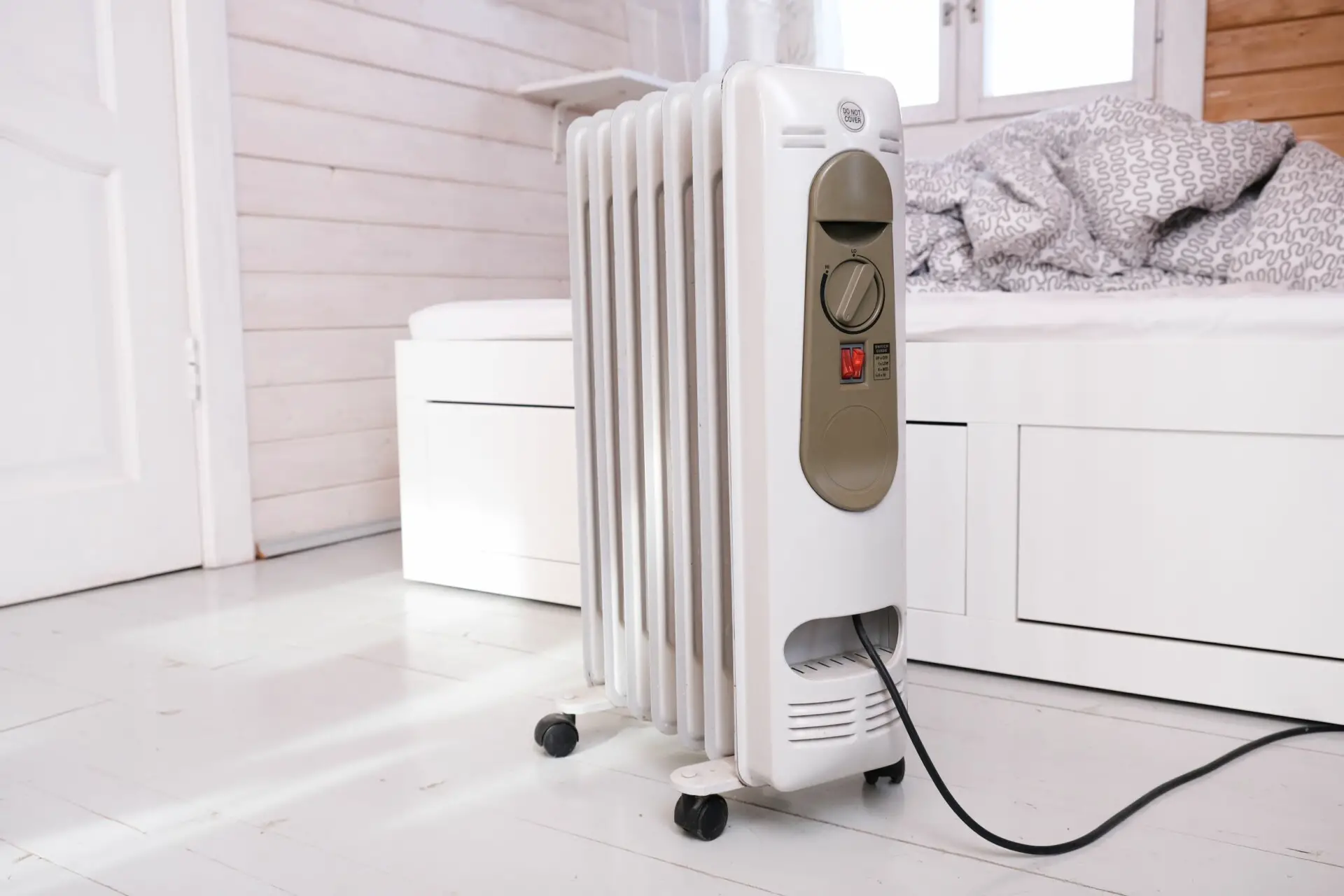
Oil-filled radiators, despite their name, don't actually burn oil. Instead, they're electrically heated. Inside that seemingly simple metal casing is a diathermic oil which acts as a heat reservoir. An electric heating element warms this oil, and the oil then circulates through the radiator, warming the metal surface. This heat is then radiated (hence the name) into the room. The beauty of this system lies in its ability to retain heat long after the radiator is switched off. That's why they're a common sight in homes, offices, and even classrooms.
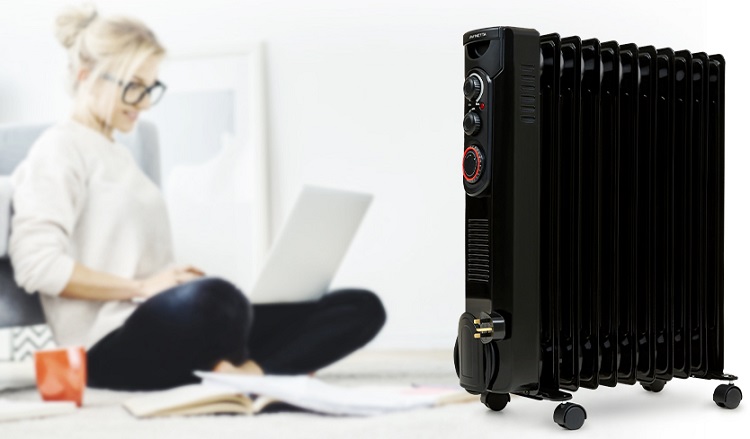
So, what are the benefits? Well, they're generally safer than traditional space heaters with exposed heating elements, reducing the risk of burns. They're also usually quieter, with no noisy fans whirring away. And they offer a more consistent and even heat distribution compared to some other heating methods. Think about a drafty classroom. An oil-filled radiator strategically placed can make a significant difference, creating a more comfortable learning environment for students. Similarly, in a home office, it can provide focused warmth, allowing you to lower the central heating temperature and save energy in other parts of the house.
Must Read
But let’s get back to efficiency. The efficiency of an oil-filled radiator comes down to how well it converts electrical energy into heat. While they're 100% efficient at converting electricity to heat within the radiator itself, the key consideration is how effectively that heat is then transferred to the room and how well that heat is retained over time. They are often considered more efficient than fan heaters because they radiate heat gradually and continue to emit warmth for a period after being turned off, utilizing the stored thermal energy in the oil.

One common misconception is that they're cheaper to run than other forms of electric heating. This isn’t necessarily true. The cost to run any electric heater depends on its wattage and how long you use it. An oil-filled radiator might take longer to heat up a room, but it will also retain heat for longer, potentially leading to a more consistent temperature and fewer on/off cycles. However, they can be less efficient than a heat pump based system, which moves heat rather than generating it.
Want to explore their efficiency yourself? A simple experiment is to compare the energy consumption of an oil-filled radiator with another type of space heater over a set period, using an energy monitor plugged into the wall socket. Record the temperature in the room every hour to see how each heater affects the ambient temperature. You could also try placing the radiator in different locations in a room to see how that impacts heat distribution. Ultimately, understanding how these heaters work and experimenting with their placement will help you maximize their efficiency and keep your home warm and cozy without breaking the bank. Remember to always follow safety precautions when using any electrical appliance!