How Does Daylight Savings Cost Money

Okay, let's be real for a second. We've all been there. It's the dreaded "spring forward" weekend, and your alarm clock, the digital tyrant it is, insists it's 7 AM when your body is screaming, "LIES! It's barely 6!" You stumble out of bed, coffee becomes your lifeblood, and you spend the entire day feeling like you've been hit by a very sleepy, time-traveling truck. Maybe you even missed that early morning meeting (oops!) or found yourself staring blankly at your screen, wondering what a "spreadsheet" even is. Sound familiar?
It’s not just a personal struggle, my friends. That one hour of lost sleep, that collective grogginess we all feel twice a year, actually costs us a lot more than just our morning sanity. We're talking about real, cold, hard cash. Yes, Daylight Saving Time, that archaic tradition supposedly meant to save energy (spoiler alert: it doesn't!), is actually draining our wallets and our well-being. Let's dive into some of the ways this time warp hits us where it hurts – right in the bank account.
Productivity Takes a Nosedive
Imagine an entire workforce, from the CEO down to the intern, operating on less sleep. The Monday after the "spring forward" is notorious for what researchers call "cyberloafing" – basically, people spending more time online doing non-work-related things. It’s hard to focus when your brain is demanding another hour under the duvet, isn't it?
Must Read
Studies have shown a significant drop in workplace productivity immediately following the time change. People are slower, they make more errors, and their decision-making skills are impaired. Multiply that across millions of workers, and you're looking at a staggering loss in economic output. Think about the projects delayed, the mistakes made, and the general dip in efficiency. It's like everyone's running on half a battery for a few days.
The Hidden Health Costs Are Real
This one might surprise you, but it's pretty serious. Losing an hour of sleep isn't just annoying; it can be downright dangerous. Research consistently shows a spike in heart attacks and strokes in the days immediately following the spring forward. Our bodies crave routine, and disrupting that internal clock, even by an hour, puts stress on our systems.
Beyond the immediate health risks, there's an increase in accidents – both on the road and in the workplace. Tired drivers are dangerous drivers, and fatigued employees are more prone to mishaps. These incidents lead to higher healthcare costs, insurance claims, and further productivity losses. It's not just a minor inconvenience; it has tangible, often tragic, consequences.
Energy Savings? Nope, More Energy Spent!
The whole premise of DST was to save energy, right? Farmers needed more daylight, and people would use less electricity in the evenings. Well, that might have been true in an era before air conditioning and widespread indoor lighting. Today, it's a different story.
Modern studies, including one by the U.S. Department of Energy, have found that Daylight Saving Time actually increases energy consumption. Why? Because while you might use less light in the evening, you're more likely to crank up the air conditioning in the longer, hotter afternoons, or use more heating and lighting in the darker mornings. So much for saving the planet, eh? These increased energy bills add up for households and businesses alike.

Retail and Economic Disruptions
Ever thought about how an hour shift affects how and when we shop? Some research suggests that darker mornings and earlier evenings in the fall can lead to less casual shopping after work. People are simply less inclined to head out if it's already pitch black when they leave the office. This could mean a dip in sales for some retail sectors.
And let's not forget the sheer complexity of coordinating schedules across different time zones, especially for international businesses. Financial markets, transportation logistics, and global supply chains all have to adjust, leading to potential miscommunications, delays, and operational inefficiencies. It’s a tiny shift, but in our hyper-connected world, tiny shifts can cause big ripples.
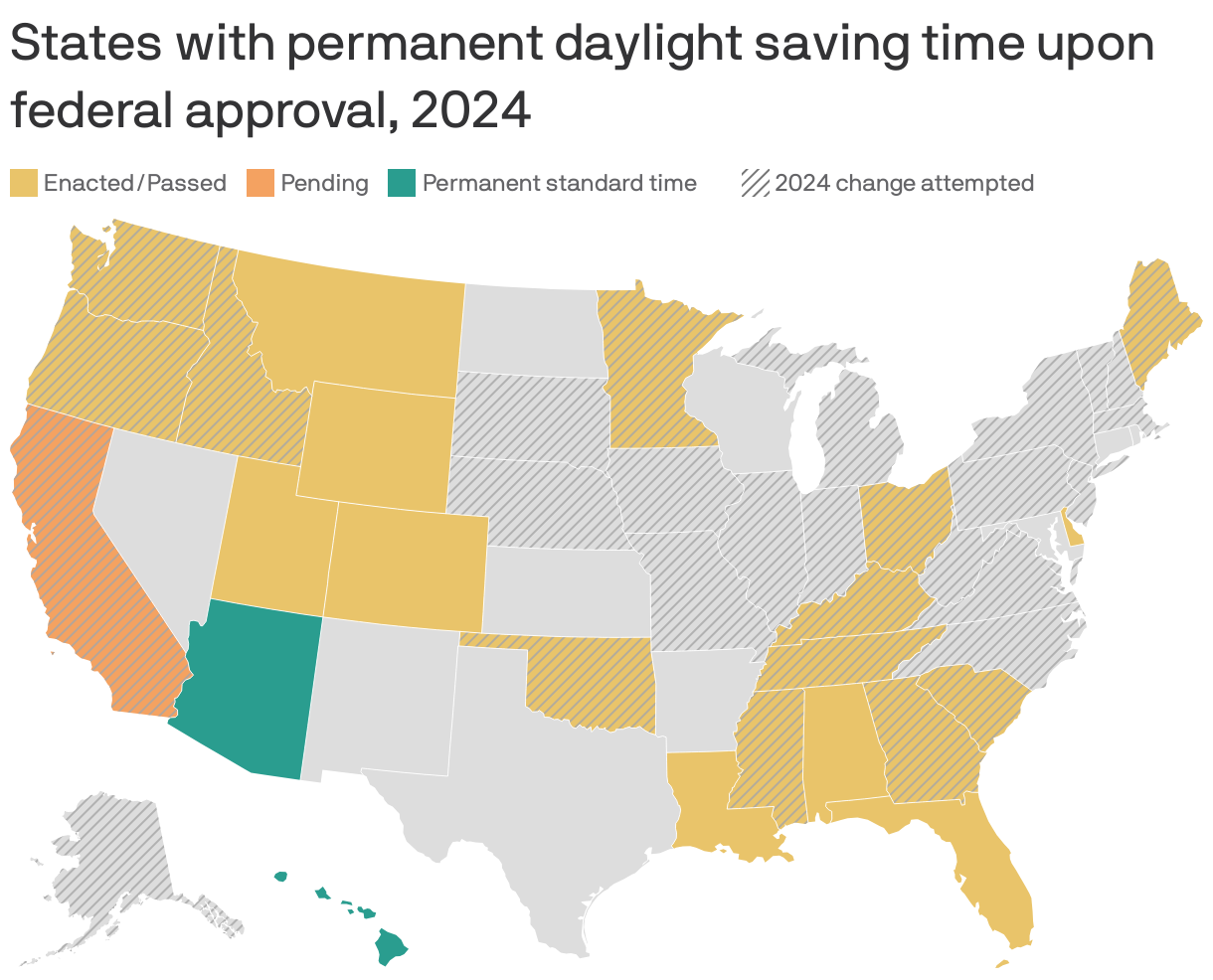
The IT Headache and Maintenance Costs
This is one of those hidden costs you probably never even consider. Every computer, every smartphone, every server, every network device that isn't connected to a global time standard needs to have its clock adjusted. For individual users, it's often automatic, but for large organizations with complex IT infrastructures, this means system updates, patches, and sometimes even manual intervention to ensure everything changes correctly.
Think about all the software that relies on accurate time stamps – everything from billing systems to security logs. Ensuring they all transition smoothly takes significant IT resources and man-hours. It's a logistical nightmare that costs companies millions collectively each year.
So, the next time you're cursing your alarm clock or wondering why you feel like a zombie for a week straight, remember that Daylight Saving Time isn't just stealing your sleep. It's also quietly picking your pocket, affecting your health, and creating a whole host of costly problems for businesses and governments. Maybe it's time we collectively hit the snooze button on this tradition for good, don't you think?