
How Do You Test Carbon Monoxide Detector

Alright, settle in, grab your imaginary coffee – or a real one, I’m not judging. Today, we're diving into the thrilling, slightly anxiety-inducing world of carbon monoxide detectors. You know, those unsung heroes clinging to our walls, patiently waiting to save us from the "silent killer." Sounds dramatic, right? Well, CO is a bit of a drama queen, quietly sneaking around, colorless, odorless, and generally just rude. It's the ninja of gases, and your detector? That's your noisy, beeping, life-saving samurai.
The Big Red Button: Your First Line of Defense (Sort Of)
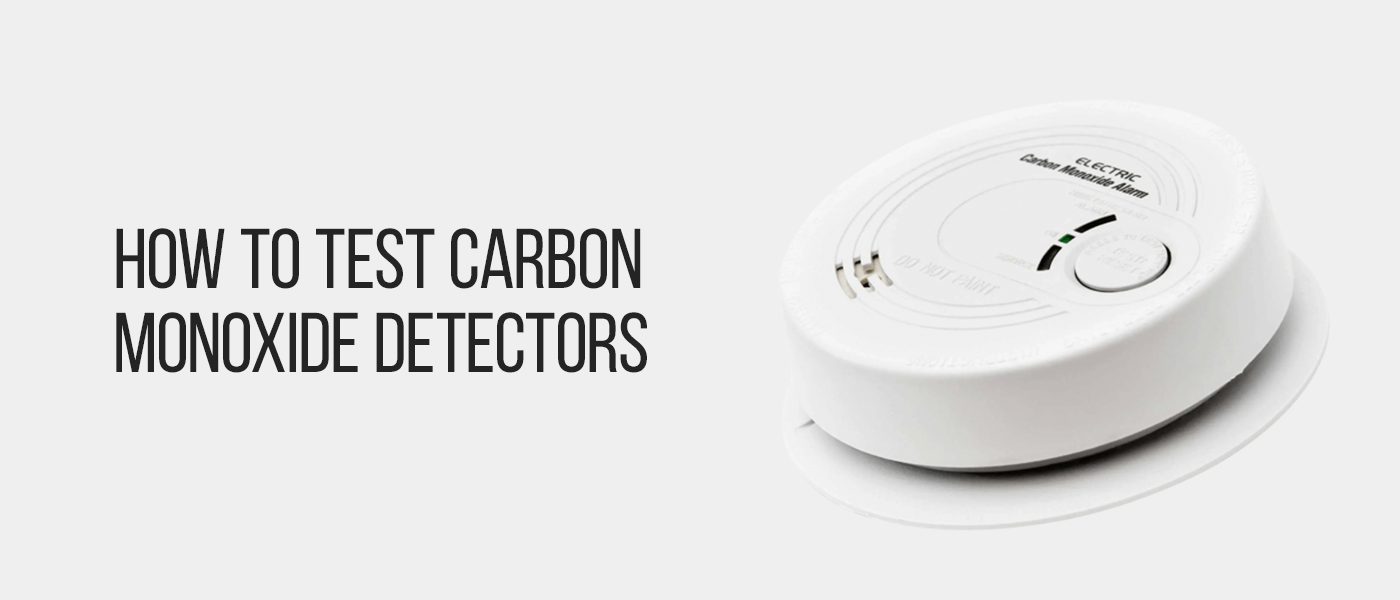
So, you’ve got this sleek little gadget on your wall, probably looking suspiciously like a smoke detector's identical twin. And, like its smoky sibling, it usually has a big, prominent button. Go on, I dare you. Press it!
What happened? Did it let out a shriek that could wake the dead (or at least your grumpy cat)? Good! This is your detector doing its first, most basic job: confirming it still has a pulse. This little act of button-pressing magic tells you two things: the alarm still works and the battery isn't completely flat. Think of it as your CO detector saying, "Yep, still here! Still loud! Still capable of making you jump out of your skin!"
Must Read
But here’s the kicker, folks: that button test? It’s a bit like checking if your car horn works. Great for honking at slow drivers, but it doesn't tell you if your engine is about to explode or if your tires are bald. It confirms the alarm function, but it doesn’t actually test if the sensor inside is still sensitive enough to detect carbon monoxide.
Why the Button Isn't Always Enough (And a Surprising Fact!)
Now, this is where it gets interesting, and frankly, a little bit scary. CO detectors, like us, get old. Their internal sensors, the tiny heroes sniffing out those invisible CO molecules, degrade over time. They don't last forever. In fact, most CO detectors have an expiry date printed right on the back! Mind-blowing, right? It's usually around 5-7 years. So, if your detector is older than your sourdough starter, it might be time for a replacement, regardless of how enthusiastically it chirps when you press the button.

So, we've established the button is great for confirming life, but not necessarily sensitivity. How do you really test if your detector can smell CO before it tries to give you a permanent nap?
The "Hold My Latte" Real Test (Do NOT Try This at Home... Seriously, Don't)
Your brain is probably already conjuring images of you hot-wiring your car in the living room or bringing the BBQ indoors for a "scientific experiment." Let me stop you right there, dear reader. That’s a one-way ticket to the emergency room, or worse, becoming a very humorous (but tragic) cautionary tale on the news. Do NOT use actual carbon monoxide sources to test your detector. Your life is worth more than a DIY science project!

Thankfully, there’s a safer, less dramatic way. Enter the magical world of canned CO test gas. Yes, it’s a thing! These are specially formulated cans, much like canned air for cleaning keyboards, but filled with a tiny, controlled amount of CO gas. They're designed to give your detector a little sniff of the real deal without endangering you or turning your home into a hazardous waste zone.
The process is usually simple: you spray a quick burst near the detector's vents, wait a few moments, and if the sensor is still working correctly, your detector will sing you the song of its people – a loud, piercing alarm. Once it goes off, ventilate the area immediately by opening windows and doors, just as you would during a real CO event. You’re effectively giving it a tiny, controlled dose of its nemesis, just enough to wake it up and confirm its readiness for battle.
You can often find these test cans online or at hardware stores. Some professional home inspectors also carry specialized equipment to perform more precise calibration tests. For most of us, though, a simple can of test gas is sufficient to confirm our detector's sensor is still sharp as a tack.
When to Test and What to Expect from Your Beeping Buddy
So, what’s the schedule for this potentially life-saving ritual? For the button test, aim for monthly. It takes two seconds, and it’s a good habit to get into. For the full sensor test using a canned CO product, follow your manufacturer's instructions, but generally, once a year is a good benchmark.

And remember those beeps! A constant, loud, ear-splitting shriek means it's detected CO – get out of the house immediately! A single, regular chirp every minute or so usually means the battery is low. Replace it! And a series of chirps every 30 seconds or so might indicate an end-of-life warning, meaning it's time to replace the entire unit. It’s like your detector gently reminding you, "Hey, I've had a good run, but I'm officially ready for retirement."
The Grand Finale: Beyond Just Testing
Beyond testing, remember to keep your detector clean. Dust and debris can clog those sensitive vents. A quick wipe down or a gentle vacuuming can help keep it in top shape. And the most important thing of all: check that expiry date! Even if it passes all the tests with flying colors, an expired detector is like an an expired carton of milk – it just can't be trusted.
So there you have it! Testing your carbon monoxide detector isn't just about pressing a button; it's about understanding its limitations, giving it a proper workout, and ultimately, ensuring your home is truly safe from that sneaky, silent threat. Now, go forth, test your detectors, and enjoy that coffee knowing your noisy little samurai is ready for anything!