
How Do You Know If You Have A Septic Tank

Ever wondered where all the water goes after you flush the toilet, take a shower, or run the dishwasher? For many of us, it’s a mystery, a magical vanishing act performed by the pipes beneath our homes. But for some, that mystery has a secret – a big, underground, hard-working secret called a septic tank.
And you might be living with one right now and not even know it! Think of it like a quiet roommate who handles all your wastewater without ever asking for rent. Pretty neat, right? But like any good roommate, it needs a little attention sometimes. So, let's play detective and figure out if you've got one, and why knowing is actually pretty cool (and important!).
Why Should You Even Care About a Septic Tank?
Great question! It’s not exactly dinner party conversation, but understanding your home’s waste system is like knowing how your car runs. You wouldn't drive for years without an oil change, right? Same principle. Knowing if you have a septic tank means you can give it the TLC it deserves, avoid potential plumbing nightmares, and save yourself a ton of money (and headaches) down the line.
Must Read
Plus, it’s a little badge of honor. You’re managing your own waste! How self-sufficient is that?
Clue #1: The Big One – Your Utility Bills (or Lack Thereof!)
This is often the easiest and most obvious clue. Grab your utility bills. Do you see a separate line item for "sewer" or "wastewater" from your local municipality? If not, congratulations, you've just taken a big step toward confirming you're on a septic system!
If you're only paying for water coming into your house, but nothing for water leaving it, then your house is likely handling its own outgoing business. It's like paying for a latte but getting the recycling done for free. No separate bill for sewer services is a huge red flag (the good kind!) that you're in the septic club.

Clue #2: Location, Location, Location!
Where's your house nestled? Septic systems are far more common in rural areas, older neighborhoods, or homes that aren't connected to a city's main sewer lines. If your house is surrounded by wide-open spaces, big yards, or it's simply an older gem that predates modern municipal sewer infrastructure, your chances of having a septic tank go way up.
Think about it: Laying miles of sewer pipe is expensive! So, if your home is a bit off the beaten path, or if your subdivision feels like it sprung up before the city had a chance to connect everything, a septic system is a very practical solution.
Clue #3: Your Yard Has Secrets – The Visual Clues
Time to put on your detective hat and do a little yard reconnaissance! This is where it gets fun, like a treasure hunt. Look for:

-
Manhole Covers or Lids: Keep an eye out for circular or square covers, usually made of concrete, plastic, or sometimes metal, buried flush with the ground. They might be hidden under a thin layer of grass or leaves. These are access points for your septic tank. Imagine them as little UFO landing pads for your wastewater!
-
Mysterious Green Patches: Does one area of your lawn look suspiciously greener and lusher than the rest, especially in dry weather? This could be directly over your septic tank or drain field. The extra nutrients (ahem, from your waste) act like fertilizer, making the grass sing with joy. It’s like your house has a secret garden, only instead of flowers, it's about... well, you get the idea.
-
Inspection Ports: You might see smaller, capped pipes sticking a few inches out of the ground. These are usually for inspecting the system and are a dead giveaway.
If you spot any of these, especially in your front or back yard, odds are you've found the resting place of your silent wastewater warrior.
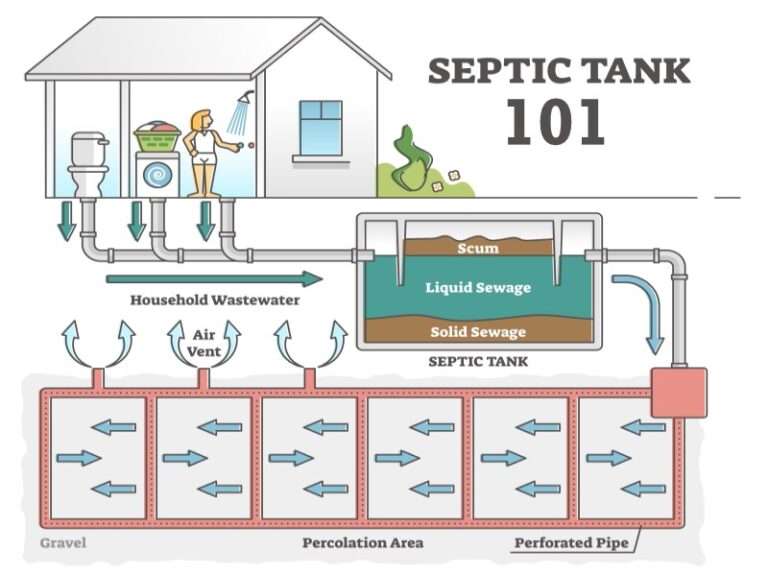
Clue #4: The Paper Trail (Not the Toilet Paper Kind!)
If you're still scratching your head, it's time to hit the books – or rather, the old house documents! When you bought your home, did you receive any documents about the septic system? Look through your property inspection reports, disclosure statements, or county records. These often contain a wealth of information about your home's infrastructure.
Also, don't be shy! Ask your neighbors. If they're on septic, there's a good chance you are too, especially if your homes are similar in age and location. It's a great way to bond with your community over shared underground plumbing secrets!
Clue #5: What Goes Down the Drain… and How it Behaves
While not a definitive sign on its own, your plumbing can offer hints. If you've noticed occasional slow drains, gurgling noises from toilets or sinks, or even a faint sewer smell (especially outdoors near those green patches), these could be signs that a septic system is working extra hard, or perhaps needs some attention.
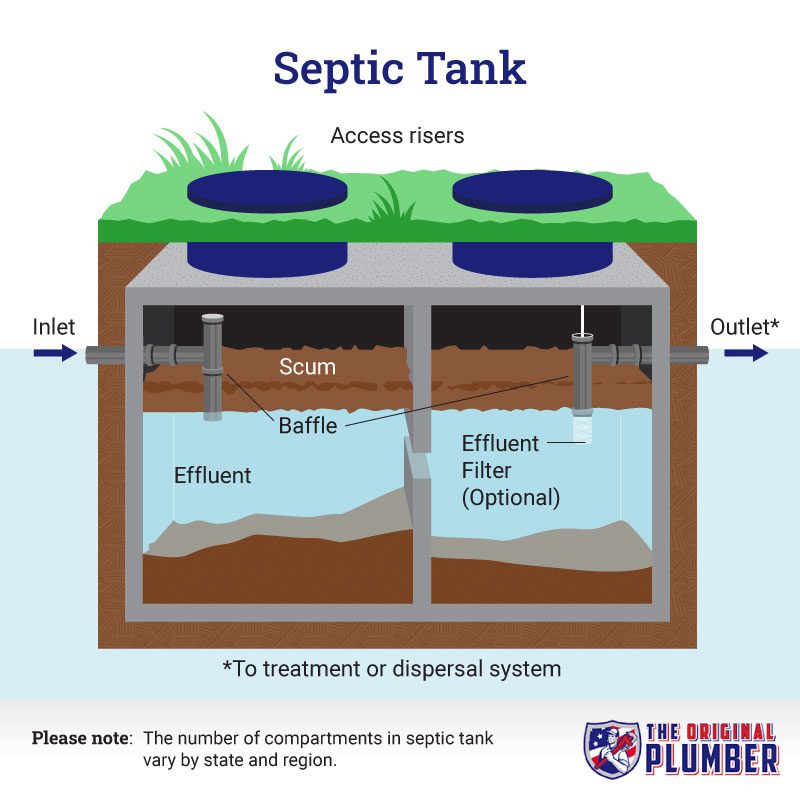
It's like your house is having a grumpy stomachache. These symptoms might indicate it's time for a septic pump-out or inspection.
So, You Have a Septic Tank. Now What?
Don't panic! Having a septic tank is incredibly common and nothing to worry about. In fact, it's a testament to your home's independent spirit! The main takeaway is this: septic tanks need regular maintenance – typically pumping every 3-5 years, depending on usage.
Ignoring it is like never changing the oil in your car. Eventually, things get messy, expensive, and potentially quite stinky. A well-maintained septic system is efficient, environmentally friendly, and will serve your home faithfully for decades.
Knowing you have one means you can be a responsible homeowner, protect your property, and even contribute to a healthier environment. So, go forth, explore your yard, check those bills, and if you uncover the truth of a septic tank, give a little nod of appreciation to the unsung hero beneath your feet!