
How Do You Check For Carbon Monoxide

Imagine a little invisible houseguest, one you really don't want sticking around. It's not a ghost, or a mischievous sprite, but something far more sneaky. This guest is called Carbon Monoxide, or CO for short, and it's a bit of a trickster because you can't see it, smell it, or taste it.
But fear not, because we have some truly wonderful tiny superheroes right inside our homes, always on guard. These unsung heroes are our Carbon Monoxide detectors, quietly keeping watch. They are like your home's personal nose, always sniffing out trouble, even when you can't.
Checking for this invisible guest isn't some complex scientific experiment or a daunting task. It's actually a super simple, wonderfully reassuring part of home life, like watering your favorite houseplant or making sure the dog has fresh water. It's a small act with a giant hug of safety behind it, surprisingly easy to integrate into your routine.
Must Read
Meeting Your Home's Tiny Guardian
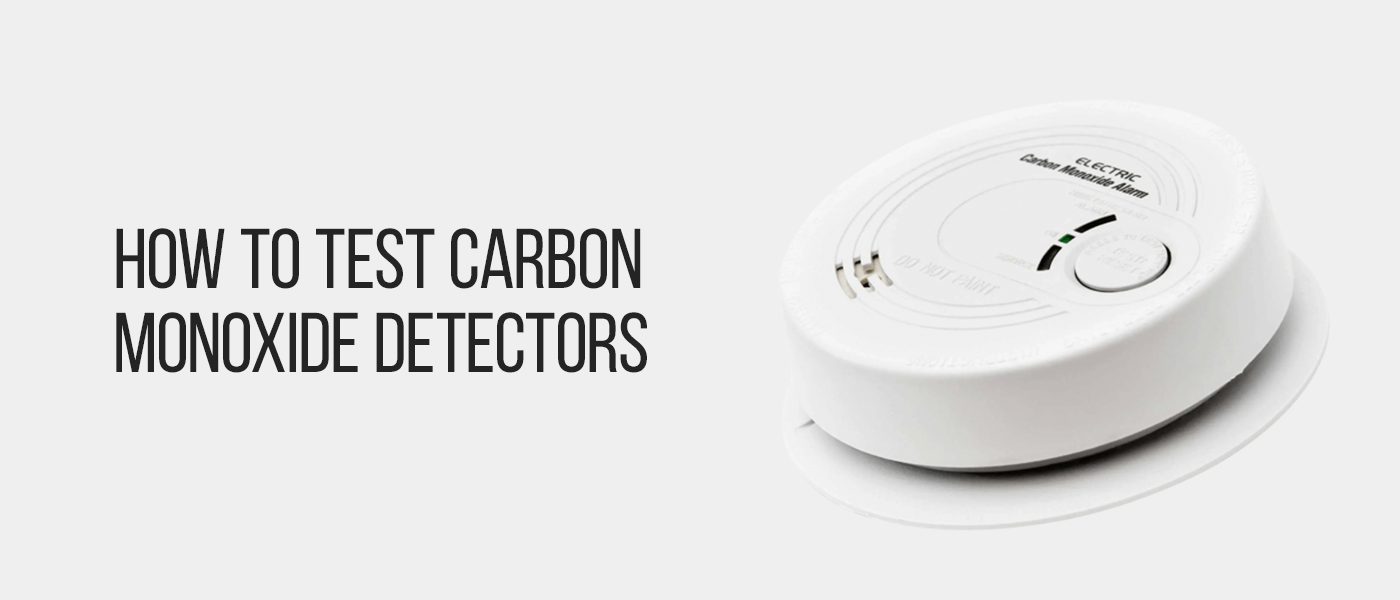
Your CO detector might look humble, perhaps a plain white disc on the wall or a small box plugged into an outlet. Don't let its modest appearance fool you; inside, it's a whirlwind of diligent sensors, always alert. It’s like a tiny, watchful owl, ever vigilant over your cozy nest.
These little guardians love good company and optimal vantage points. You'll often find them cozying up near sleeping areas, where they can best protect their charges during those peaceful slumber hours. They also like to be near places with fuel-burning appliances, like your furnace or water heater, just in case that invisible guest tries to sneak in unnoticed.
Think of them as secret agents, strategically placed in key locations throughout your living spaces. They don't need fancy gadgets or flashy disguises to perform their duties, just a quiet corner to do their important work. Their unassuming presence itself is a calming force, a silent promise of steadfast protection.
The "Wake-Up Call" Button
One of the most delightful aspects of checking your CO detector is its weekly "wake-up call." This isn't a drill designed to scare you, but a quick friendly check-in, a little stretch for your guardian to ensure readiness. It’s a moment to connect and ensure everything is in tip-top shape.
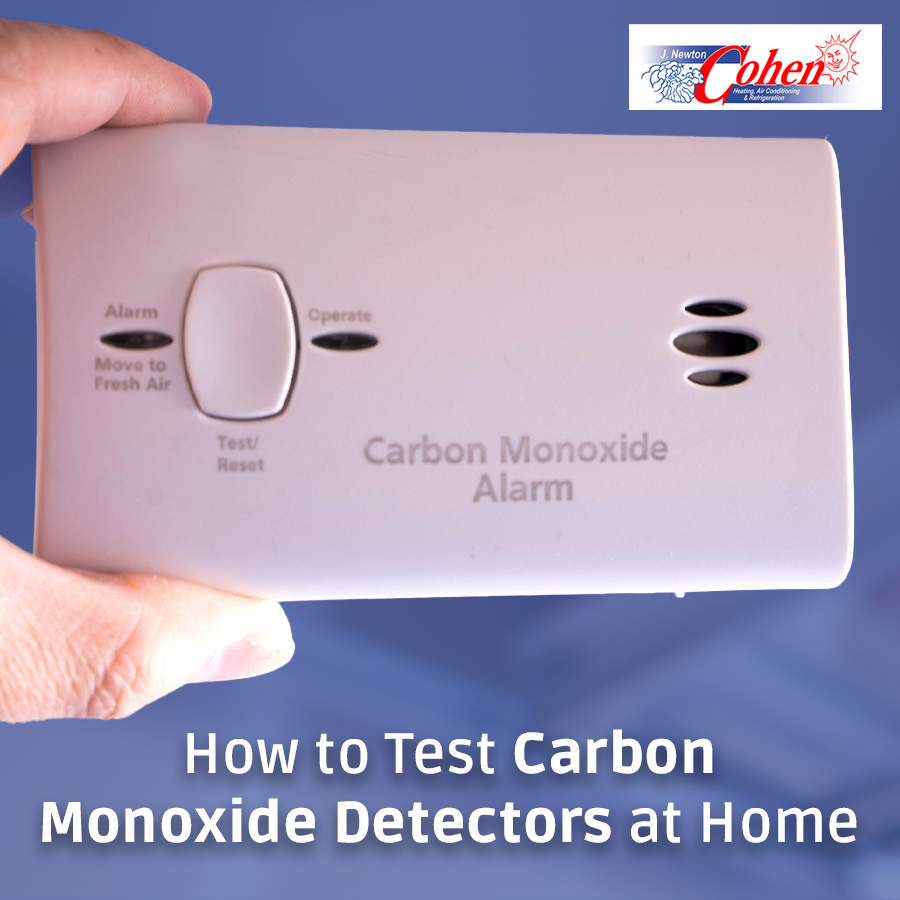
Every detector has a little button, often labeled "Test" with a clear, friendly instruction. When you press it, your detector lets out a joyful, loud chirp or series of chirps. It’s like a tiny robot bird singing its safety song, letting you know its voice is strong and clear, ready to warn at a moment's notice.

This sound isn't meant to be alarming during a test; rather, it’s a burst of confidence, a powerful affirmation. It’s your detector saying, "I'm here! I'm ready! All systems go!" It’s a surprisingly loud concert of reassurance, a powerful reminder of its vital purpose.
"A chirp a week keeps the worry away!"
Making this test a regular habit, perhaps every Sunday morning with your coffee or during a quick tidy-up, transforms it into a comforting ritual. It’s a surprisingly quick moment that ripples with peace throughout your entire week, a truly heartwarming sense of security. It’s like giving your home a weekly safety hug, a simple gesture of care.
Children often find this test button fascinating, a source of mild wonder. They love hearing the unique sound, a little burst of noise that signals protection and vigilance. It can be a heartwarming way to involve them in home safety, teaching them about their tiny guardian in a fun and memorable way, a gentle lesson in preparedness.
It teaches them that even small devices can have a big, loud voice when it comes to keeping everyone safe and sound. This simple interaction helps demystify safety, turning it into something understandable and even a little bit exciting. It’s a surprising lesson in vigilance and the power of sound.
Feeding Your Guardian: The Battery Snack
Just like any good superhero, your CO detector needs a little energy boost from time to time to maintain its superpowers. This usually comes in the form of fresh batteries, keeping its tiny sensors buzzing with power and readiness. Think of it as giving your guardian its favorite, most energizing snack.
Many detectors will give a gentle, but persistent, little peep when their battery is getting low, a distinct sound from an actual alarm. This isn't an emergency signal, but more of a polite whisper, a soft request for a power-up. It’s the detector's subtle way of saying, "Time for a treat, please!"
This low-battery chirp is often quite different from the full alarm sound, a quieter, less urgent plea for attention. It’s a subtle communication, a gentle reminder that even our strongest protectors sometimes need a little TLC and a fresh burst of energy. It’s a surprisingly thoughtful feature, designed for your convenience.
"When I peep, it's time to leap... to the battery drawer!"
Changing batteries can be a quick and satisfying adventure, often involving a gentle twist or slide to open a small compartment. It’s a simple task that ensures your detector remains fully charged and ready for anything, a testament to your proactive care. It’s a tiny maintenance miracle, easy for anyone to accomplish.
Imagine the joy of a fully energized guardian, its digital heart beating strong once more, ready to face any invisible threat. This simple act of care ensures continuous protection, a heartwarming exchange between you and your home's watchful eye. It's a small, yet significant, way to say, "Thank you for your service."
For detectors that plug into the wall, battery changes are still often a requirement, especially for backup power during electrical outages. So, even if it looks like it gets endless power, a battery check is still a wise and caring gesture for these plug-in heroes too, providing a double layer of reassurance. It’s a clever design for consistent safety.
A Retirement Party: When to Say Goodbye (and Hello to New Friends)
Even superheroes have a lifespan, and our faithful CO detectors are no exception to this natural progression. Most models are designed to work diligently for about 5 to 10 years, a long and honorable service protecting your household with unwavering dedication. It's a surprisingly long commitment from such a small device.
After a decade of silent vigilance, their internal sensors might start to lose their keen edge, much like a seasoned detective who's seen it all and is ready for a well-deserved break. It’s then time for a new, energetic recruit to gracefully take over the watch, bringing fresh vigor to the task.
Many detectors have a manufacturing date printed right on them, often on the back or side of the unit. This little date is like their birth certificate, clearly telling you when their watch began. It's a helpful hint for when to start thinking about their well-earned retirement celebration.
"Ten years of sniffing? That's a job well done, time for a successor!"
Replacing an old detector with a new one is a simple yet profoundly heartwarming act of continued care and foresight. It’s like ensuring the next generation of protectors is ready to stand guard, keeping the legacy of safety alive and well in your home. It’s a fresh start, a renewed promise of security.
This isn't about discarding an old friend without thought, but celebrating its dedicated service and welcoming a fresh pair of digital eyes and ears. It's a surprisingly easy upgrade that refreshes your home's entire safety system, ensuring peak performance and optimal protection for years to come. It's an investment in enduring peace.
Consider it an annual tradition, perhaps around a specific holiday or a seasonal change, to check these dates. It’s a pleasant reminder of the passage of time and the ongoing commitment to a safe and happy home, weaving into the fabric of your family’s protective routines. It becomes a subtle, comforting part of your home’s story.

The Warm Hug of Peace of Mind
Ultimately, checking for Carbon Monoxide isn't about fostering fear; it's about empowerment and love. It's about knowing that you've taken simple, yet incredibly effective, steps to protect those who matter most under your roof. It's a heartwarming sense of control and profound responsibility.
That quick press of the test button, that fresh set of batteries, or the welcoming of a new detector – each act builds a quiet, steadfast confidence. It's a silent symphony of safety playing in the background of your daily life, a constant, comforting tune that never ceases.
Imagine tucking your children into bed, or settling down with your loved ones for a quiet evening, knowing that a tiny, silent guardian is watching over them without fail. This knowledge creates a profound sense of peace, a warm blanket of security wrapped gently around your entire home. It's a truly heartwarming feeling, a deep sense of calm.
"Safety is not an accident; it's a choice, made simple and with love."
It’s a surprising truth that such a small, unassuming device can deliver such immense peace of mind and unwavering assurance. It transforms an invisible threat into a manageable, monitored presence, thanks to a bit of proactive care and a lot of common sense. It's surprisingly empowering to take such direct control.
So, next time you glance at that little disc on your wall, give it a silent nod of thanks and appreciation. It’s more than just a piece of plastic; it’s a vigilant friend, a silent sentinel, always on duty, always protecting. It's a heartwarming reminder of the simple yet powerful act of preparedness.
Embrace these easy checks as part of your home's natural rhythm and flow. They're not bothersome chores, but small gestures of love and responsibility that ensure your home remains a haven of health and happiness for everyone within its walls. It’s a wonderful, simple habit that makes a world of difference, quietly and effectively.