How Do Probiotics Survive Stomach Acid

We all know that feeling, that nagging sense that your gut just isn't quite... happy. Maybe it's after a particularly spicy meal, or perhaps it's just a persistent rumble. That's where probiotics swoop in, promising a legion of beneficial bacteria ready to restore balance. And let's be honest, who doesn't love the idea of tiny, helpful organisms setting up shop in their digestive system and kicking out the bad guys?
But here's the million-dollar question (or perhaps the slightly-more-than-minimum-wage question): How do these little microbial heroes even make it past the stomach's intensely acidic fortress? After all, stomach acid is designed to obliterate almost anything that enters, bacteria included. It sounds like a microbial suicide mission, right? Understanding this crucial aspect of probiotics is key to getting the most out of them.
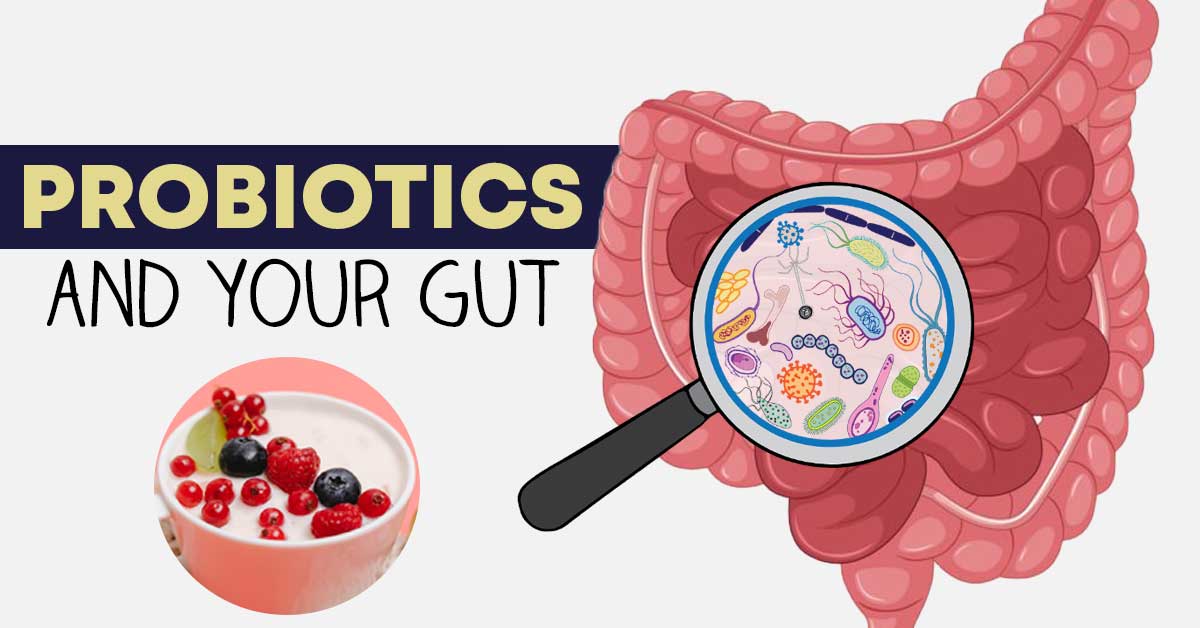
The benefits of probiotics extend beyond just soothing occasional discomfort. They play a vital role in supporting digestive health, helping our bodies break down food and absorb nutrients. Beyond digestion, they contribute to a stronger immune system, since a large portion of our immune cells reside in the gut. Some research even suggests links between gut health and mental wellbeing! It's a whole ecosystem in there, and probiotics are like the gardeners, tending to the balance and biodiversity.
Must Read
You'll find probiotics in a wide array of forms these days. There are the classic yogurt drinks, fermented foods like kimchi and sauerkraut, and of course, a vast selection of supplements. Each product boasts different strains and dosages, all promising a healthier gut. But getting them to survive is key.
So, how do they manage the perilous journey through the stomach? Here's the scoop: many probiotic strains are naturally acid-resistant. Think of them as having a built-in protective shield. Certain strains, like certain Lactobacillus and Bifidobacterium species, are particularly resilient. Others rely on clever delivery systems.

Here are some practical tips to help your probiotic pals survive and thrive:
- Choose wisely: Look for probiotics with enteric coatings. These coatings are designed to dissolve in the more alkaline environment of the small intestine, protecting the bacteria during their passage through the stomach. It's like giving them a tiny, timed-release capsule.
- Timing is everything: Consider taking your probiotics with or immediately after a meal. Food can act as a buffer, diluting the stomach acid and giving the probiotics a better chance of survival.
- Strain matters: Research the specific strains in your chosen probiotic. Some strains are simply more acid-resistant than others. Look for products that list specific strains and their proven benefits.
- Storage is crucial: Follow the storage instructions on the product label carefully. Some probiotics require refrigeration to maintain their viability. Leaving them out on the counter can significantly reduce the number of live bacteria.
- Be patient: It can take time to see the full benefits of probiotics. Consistency is key. Stick with your chosen probiotic for several weeks to allow the beneficial bacteria to colonize your gut.
By understanding how probiotics navigate the harsh environment of the stomach and following these tips, you can significantly increase their chances of success. So, go ahead, nurture your gut microbiome and let those tiny gardeners get to work! Your body (and your gut) will thank you for it.