How Do Panic Buttons Work

Ever found yourself wondering about those little buttons that promise help at the push of a finger? Panic buttons might sound a bit dramatic, conjuring images from spy movies, but in reality, they're an incredibly practical and reassuring piece of modern technology. What makes them so fascinating is not just their emergency use, but their ability to connect us to help and peace of mind, often in ways we don't even realize are happening behind the scenes. It's a topic that's both useful and increasingly popular as we embrace smarter, safer living.
At its core, a panic button's purpose is simple: to quickly signal for assistance. For beginners or anyone curious, it's essentially a shortcut to help. Instead of fumbling for a phone or dialing multiple numbers under stress, one press does the trick. For families, the benefits are immense. Imagine an elderly relative who experiences a fall – a medical alert pendant can instantly connect them to a monitoring service or family member, providing vital reassurance. For parents, a smart home panic button can quickly trigger an alarm or notify neighbors if something feels amiss. While not a hobbyist item in the traditional sense, understanding how these devices integrate into our smart homes and personal safety strategies can be quite engaging for anyone interested in modern tech for security.
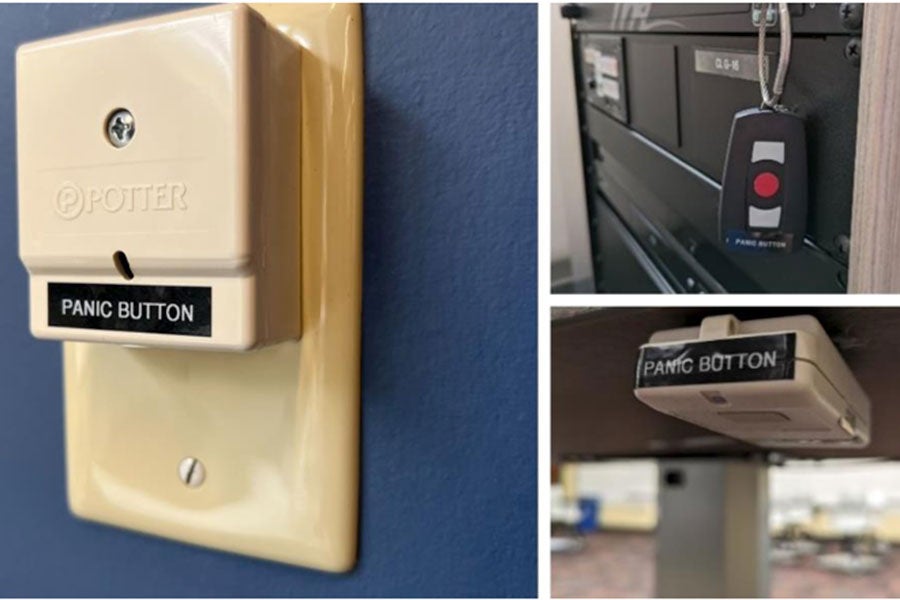
Panic buttons come in a surprising array of forms and functions. You might recognize the classic medical alert pendant, often worn around the neck. Then there are the more subtle versions, like a dedicated button on a key fob for your home alarm system, or even apps on your smartphone that can discreetly send out an SOS with your location. Many modern cars come equipped with an emergency button, instantly connecting you to roadside assistance or emergency services. Smartwatches now feature SOS capabilities, allowing you to press a side button repeatedly to alert pre-selected contacts. Even workplaces utilize them, giving employees a direct line to security in potentially dangerous situations. Each variation is designed for specific scenarios, but all share the common goal of providing rapid, reliable communication when seconds count.
Must Read
Getting started with the idea of a panic button is simpler than you might think. First, consider what kind of help you might need and for whom. Is it for an elderly parent who needs medical assistance? A simple, dedicated medical alert system is a great choice. Looking for a general safety tool for your home? Many security systems offer integrated panic buttons. Second, always test your device regularly. This ensures it's working correctly and you're familiar with its operation. Third, make sure everyone who might need to use it understands how and when to activate it. Finally, be aware of who your panic button alerts – is it a monitoring service, a specific family member, or local emergency services? Knowing this ensures the right help arrives.
Ultimately, understanding how panic buttons work is about more than just technology; it's about gaining a greater sense of security and control. They offer incredible peace of mind, knowing that a quick and easy way to summon help is always within reach. Whether it’s for personal safety, safeguarding loved ones, or simply feeling more prepared, these simple devices offer a powerful layer of protection, making our daily lives a little bit safer and a lot more reassuring.