
How Do I Turn Off Hard Wired Smoke Alarms
Okay, so you're standing there, probably with your hands on your hips, staring up at that little plastic disc on your ceiling that's currently serenading you with a high-pitched, incredibly irritating chirp. Or maybe it's gone full alarm mode, making you feel like your house is about to spontaneously combust (when really, you just burned the toast... again). You're thinking, "How on Earth do I make this noise stop?!" Especially since it's one of those fancy hardwired ones, not just a simple battery swap job. Trust me, you're not alone. We've all been there!
Dealing with a hardwired smoke alarm that's decided to throw a tantrum is a bit different from its battery-operated cousins. You can't just pop out a battery and call it a day (well, you can, but there are a few important steps before that). The good news? It's totally doable, and with a little guidance, you'll be back to peace and quiet in no time. Let's get this party started, or rather, get this party stopped!
Identify the Squeaky Wheel (or Ceiling Disc)
First things first, figure out which alarm is the troublemaker. Hardwired systems are often interconnected, meaning if one goes off, they all go off. But usually, only the source alarm will have a rapidly flashing LED light or a louder, more distinct chirp compared to the others. Get on a chair (safely, please!) and give them a good once-over. Is there a little red or green light blinking furiously on one particular unit? That's your primary suspect!
Must Read
Sometimes, it's just a low battery warning from the backup battery, even in a hardwired unit. Other times, it's a full-blown false alarm from dust, steam, or even a tiny bug that thought your smoke alarm was a cozy new apartment. Seriously, those little critters love to cause chaos!
The Most Crucial Step: Power Down!
Alright, this is the part where we get serious for a second, but still keep it light. Because we're dealing with wires directly connected to your home's electrical system, you absolutely, positively MUST turn off the power to that circuit. Think of it as telling your smoke alarm, "You're grounded!"
Head to your electrical breaker box. It's usually in the basement, garage, or a utility closet. Look for a breaker labeled "Smoke Alarms," "Lighting," or something similar that corresponds to the area where the alarm is located. If you're not sure, you might have to flip a few until the alarm goes silent (don't worry, you won't break anything, just maybe turn off the lights for a second). Once you find it, flip it to the OFF position. Double-check that the alarm is now completely silent. You don't want to become a human conductor, right? Safety first, friends!
Time to Disconnect the Beast
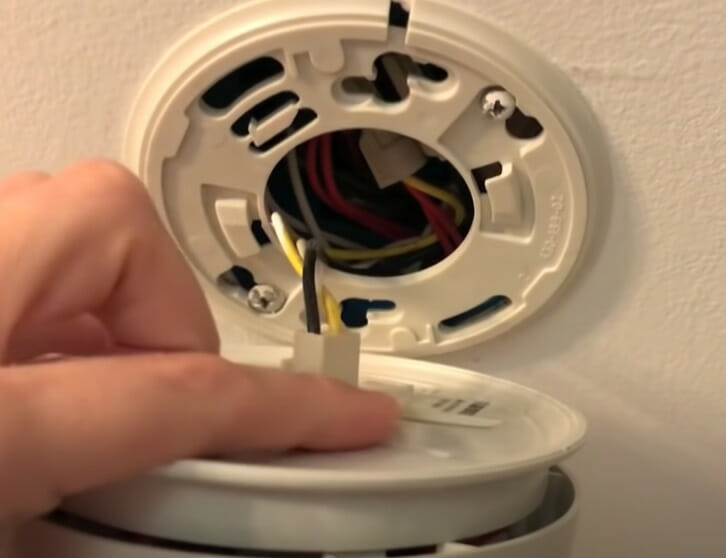
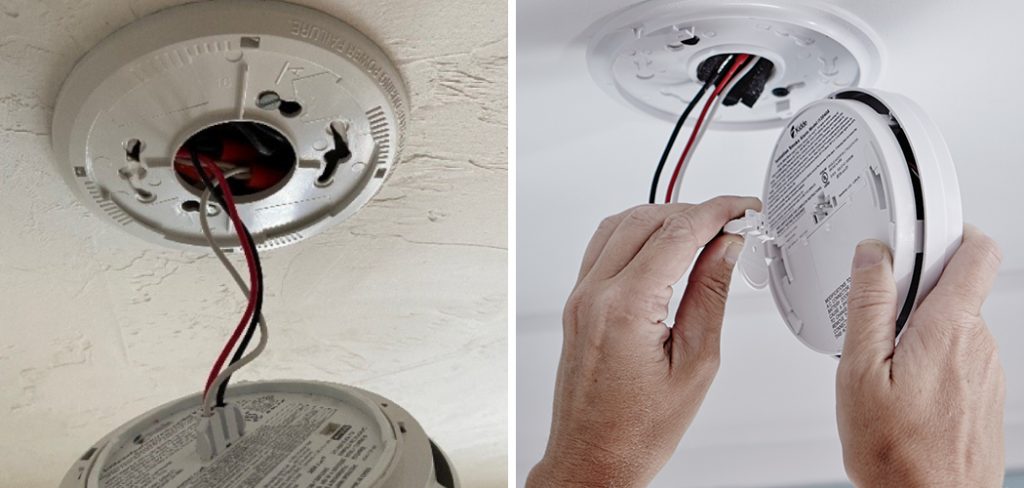
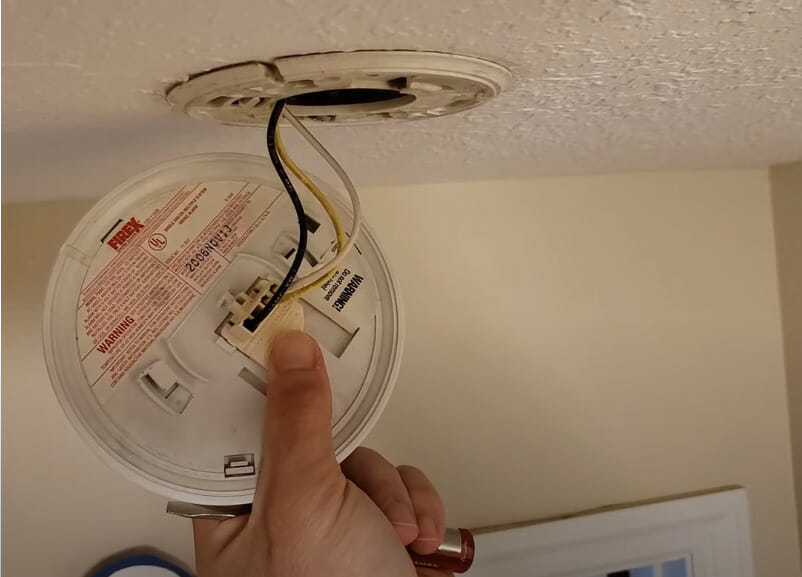
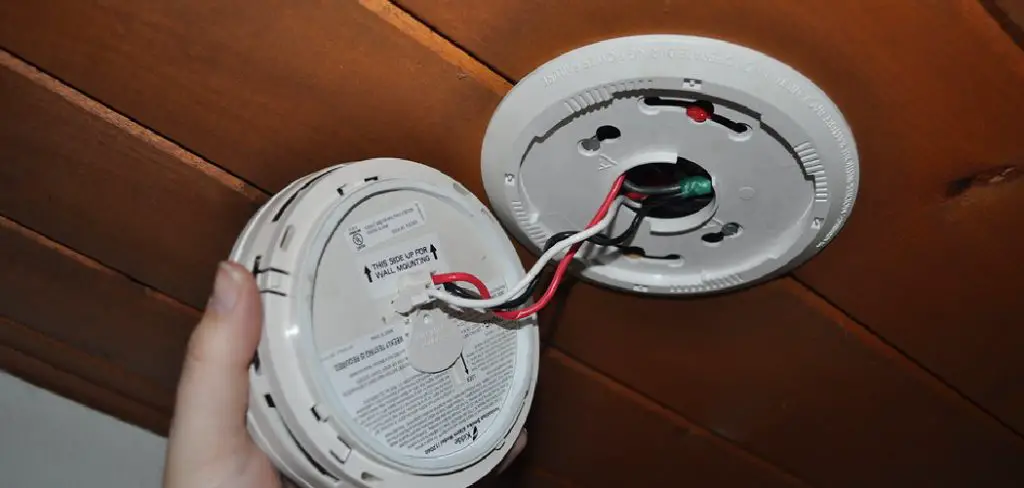
Now that the power is off, grab a sturdy step stool or ladder. Carefully twist the smoke alarm counter-clockwise to detach it from its mounting bracket on the ceiling. It usually takes just a quarter turn or so. Once it's off the bracket, you'll see a small bundle of wires connected to the back of the alarm via a plastic wiring harness.
![[6 Easy Ways] - How To Turn Off Hard Wired Smoke Alarm?](https://www.extraalarm.org/wp-content/uploads/2021/11/How-to-Turn-off-Hard-Wired-Smoke-Alarm.jpg)
This is where the magic happens! Gently but firmly unplug the wiring harness from the back of the smoke alarm. It's usually a small clip that you might need to squeeze. Once that's disconnected, congratulations! The immediate threat of noise is gone. You've officially separated the alarm from its power source.
Silence the Chirp and Investigate
Even after unplugging the main power, many hardwired alarms have a backup battery (usually a 9-volt or AA batteries) that can still chirp if it's low or if the unit is faulty. So, your next mission, should you choose to accept it, is to remove that backup battery. Pop open the battery compartment and take it out. Ah, sweet, sweet silence!
Now, if the alarm was false-alarming, take a moment to inspect it. Often, dust, spiderwebs, or even tiny insects can trigger them. Give the vents and sensor area a good blast with compressed air or a gentle vacuuming. Sometimes, that's all it takes to fix the problem. Think of it as a spa day for your smoke alarm.
Reinstall or Replace? That is the Question!
If you've cleaned the alarm and suspect it was just a dust bunny causing the ruckus, you can try reinstalling it. Reconnect the wiring harness, pop in a fresh backup battery, twist it back onto the mounting bracket, and then head back to your breaker box to restore power. Once the power is back on, press the "Test" button on the alarm to make sure it's working properly.
However, if the alarm continues to chirp after all this, or if it's over 10 years old (most have an expiry date printed on them), it's probably time to replace it. Smoke alarms don't last forever, and a faulty one isn't doing anyone any favors. Get a new one, preferably the same brand and model if you want to ensure compatibility with your existing interconnected system. Trust me, it's worth the peace of mind.
When to Call in the Big Guns (aka an Electrician)
If you've tried all of this and you're still scratching your head, or if you're uncomfortable at any point with the electrical work, please don't hesitate to call a professional electrician. They're like superheroes for your wiring dilemmas, and ensuring your home's safety system is functioning correctly is super important.
So there you have it! You've successfully navigated the treacherous waters of hardwired smoke alarm silencing. You're a hero, a problem-solver, and most importantly, you're now enjoying a beautifully quiet home. Go forth and enjoy the silence, you've earned it! Maybe celebrate with some perfectly (not burned!) cooked toast. High five!