How Do I Know Where My Septic Tank Is

Okay, let's be honest. When you bought your home, you probably pictured cozy evenings by the fireplace, maybe a thriving garden, or epic backyard barbecues. What you probably didn't envision was embarking on a subterranean detective mission to locate your septic tank. But guess what? Knowing where this crucial piece of your home's infrastructure is located is like holding the secret map to your home's digestive health! It might not sound glamorous, but it's incredibly useful, surprisingly rewarding, and absolutely essential for any septic system homeowner.
Why all the fuss about a hidden tank? Well, your septic system is the unsung hero that handles all the wastewater from your home – toilets, sinks, showers, laundry. When it works, you don't think about it. But when it doesn't... well, let's just say it's not pretty, and it's definitely expensive. Knowing your tank's location is the first step in proper maintenance, preventing costly backups, and ensuring your system operates efficiently for years to come. Routine pumping, typically every 3-5 years, is vital, and for that, you need to tell the pros exactly where to dig!
So, how do you become a septic system sleuth? Grab your metaphorical magnifying glass; here are a few engaging ways to unearth your tank:
Must Read
1. The Paper Trail Detective: Before you even step outside, dive into your home's historical documents. Check building permits, original house plans, a plat map, or even past septic inspection reports. These often include diagrams or notes indicating the tank's location. This is often the easiest and most accurate method if you have the documents on hand.

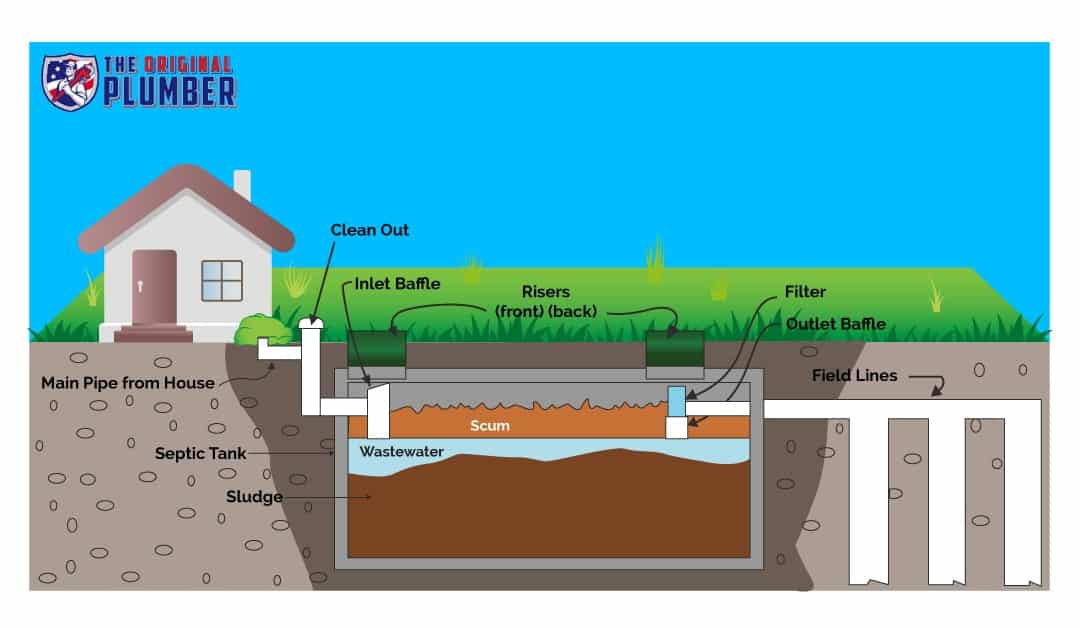
2. Follow the Pipe (The "Exit Strategy"): This method requires a bit more hands-on exploration. Head to your basement or crawl space and locate the main sewer line leaving your house. It's usually a large diameter pipe. Once you've found it, observe which direction it exits the foundation. Your septic tank is typically located in a straight line, 10 to 25 feet from the house, in that direction. The tank is usually on the downhill side of the house, if your yard has a slope.
3. Visual Clues in the Yard (Septic System Feng Shui): Your yard can offer subtle hints. Look for areas where the grass might be significantly greener or lusher – this could indicate the drain field, and the tank is usually between the house and the drain field. You might also spot a slight depression or a raised mound in the ground, or even a visible manhole cover or inspection port. Be careful not to confuse it with old well caps or other utility access points!
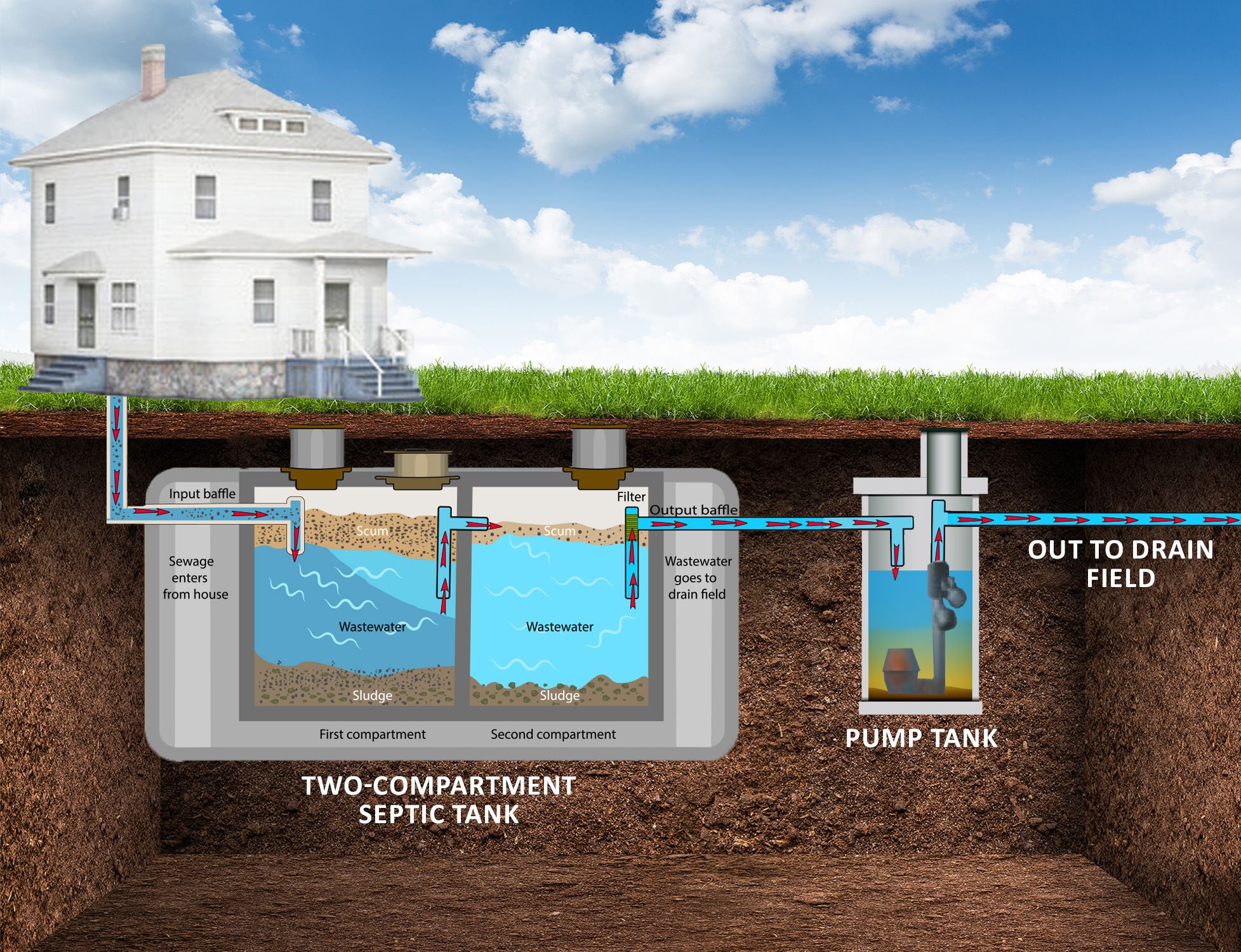
4. The Professional Prospector: If the above methods leave you scratching your head, it's time to call in the experts. Septic service companies have specialized tools, like metal probes, electronic locators, or even cameras that can trace the main sewer line from inside your house, directly to the tank. They'll find it quickly and efficiently, saving you a lot of guesswork and digging.
Once you've successfully located your septic tank, consider marking its location with a garden stone or a small, non-invasive landscaping feature. This knowledge isn't just for maintenance; it also helps you avoid planting trees or building structures over the tank and drain field, which can cause serious damage. So, congratulations, you've solved the mystery of the missing septic tank! Now you can truly enjoy those backyard barbecues, knowing your home's vital systems are well-understood and cared for.