
How Do I Know If I Have Carbon Monoxide

Ever had those days where you just feel... off? Maybe a little foggy, a bit queasy, or just unusually tired? We've all been there, blaming it on a rough night's sleep, too much screen time, or that questionable takeout from last night. But what if those subtle signals were trying to tell you something a little more serious? Sometimes, the biggest threats are the ones you can't see, smell, or taste. And when it comes to home safety, nothing fits that description quite like carbon monoxide (CO).
The Sneaky Suspect: What Exactly Is Carbon Monoxide?
Think of CO as the ultimate ninja of household hazards. It’s an invisible, odorless, colorless, and tasteless gas. This makes it incredibly dangerous because you simply won't know it's there without help. It's produced when fuels burn incompletely – we're talking about things like gas furnaces, water heaters, fireplaces, stoves, generators, and even car engines. In a nutshell, if it burns fuel, it can potentially produce CO.
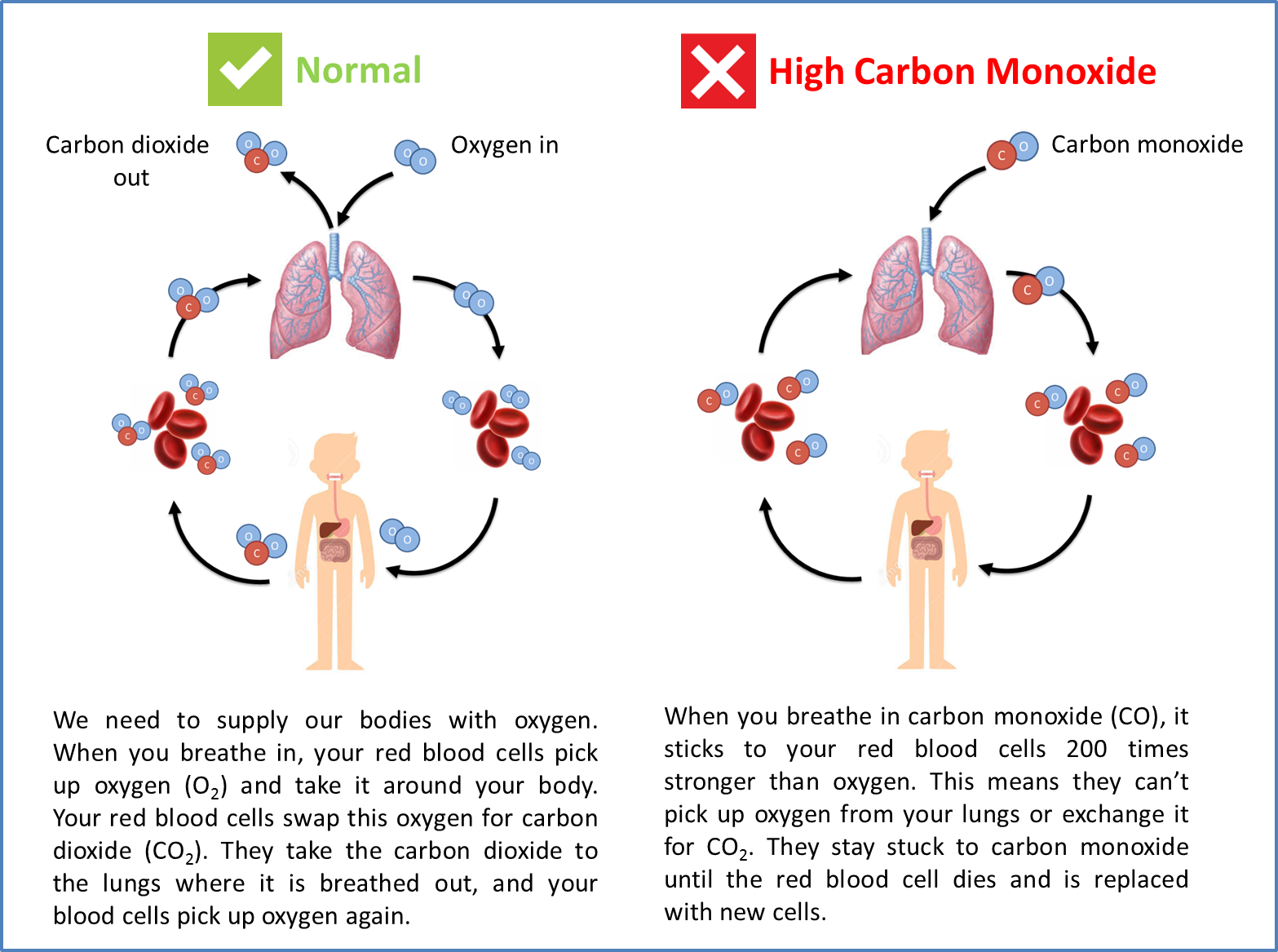
When CO enters your bloodstream, it takes the place of oxygen in your red blood cells. Imagine oxygen is trying to get on a bus, but CO is a total bully, pushing oxygen aside and hogging all the seats. This effectively starves your vital organs – like your brain and heart – of the oxygen they desperately need. Not fun, right?
Must Read
The "Uh-Oh" Symptoms: Your Body's Subtle SOS Signals
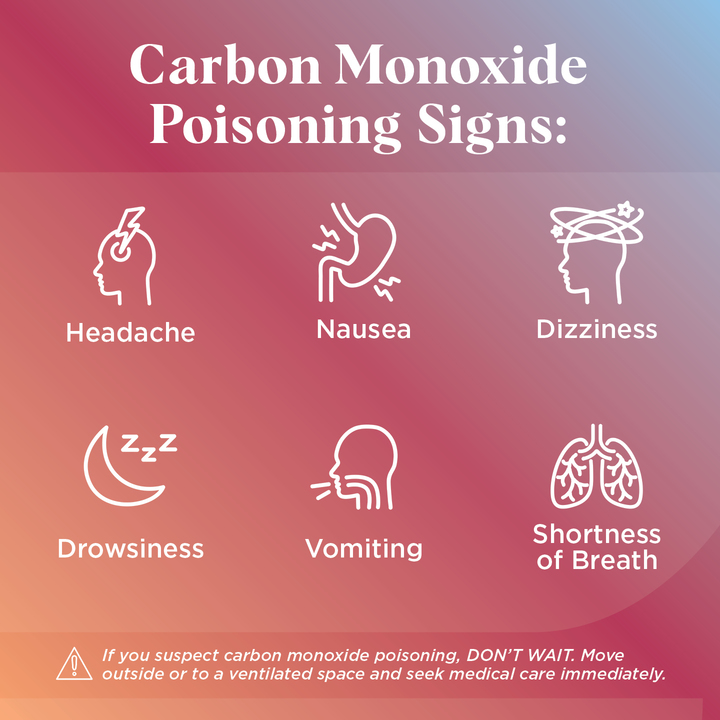
Since you can't detect CO with your senses, your body often tries to tell you something's wrong. The symptoms of carbon monoxide poisoning can be incredibly deceptive because they often mimic common ailments, like the flu, food poisoning, or even just a bad case of the Mondays.
- Headache: This is often the first and most common symptom. It might feel like a dull ache or a tight band around your head.
- Dizziness and Nausea: Feeling lightheaded or like you might throw up is another tell-tale sign.
- Fatigue and Weakness: A persistent, unexplained tiredness that just won't shake, even after rest. You might feel unusually weak or sluggish.
- Shortness of Breath: Feeling breathless, especially during light activity.
- Confusion or Impaired Judgment: This is particularly alarming. You might find yourself struggling to think clearly, making poor decisions, or feeling generally disoriented.
- Vomiting: Similar to food poisoning, but without the dietary culprit.
Here's the crucial twist: these symptoms often improve when you leave the contaminated environment and worsen when you return. If you notice a pattern where you feel better after stepping outside for some fresh air and then the symptoms creep back when you're indoors, that should trigger an immediate red flag.

Don't forget your furry friends! Pets can also show signs of CO poisoning, often earlier than humans due to their smaller size. If your dog or cat seems unusually lethargic, weak, or disoriented, and you're also feeling a bit off, it's time to pay attention.
When to Be Extra Alert (Situational Awareness)
Certain situations can increase your risk of CO exposure. Be particularly vigilant:
- During Power Outages: Running portable generators, charcoal grills, or gas heaters indoors or in attached garages is a big no-no. These should always be used outdoors and far away from windows.
- In Older Homes: Older appliances or heating systems may not be as efficient or well-maintained, increasing the risk of incomplete combustion.
- Around Fuel-Burning Appliances: Be mindful of your furnace, water heater, gas stove, and fireplace. Ensure they are properly installed and regularly serviced. Think of regular check-ups for these as essential as your own annual physical.
The Real MVP: Your Carbon Monoxide Detector
Alright, so your body's signals are a good start, but relying solely on them is like trying to navigate a dark room blindfolded. The absolute, 100% best way to know if you have carbon monoxide is to have a working carbon monoxide detector.
These smart gadgets are your personal CO watchdogs, sensing the gas long before you ever would. Treat them with the same reverence you give your smoke detectors – because they are just as vital for your safety.
Where to put them? Install CO detectors on every level of your home, especially near sleeping areas. Ideally, one outside each separate sleeping area and one on each additional story of the home. No, they don't have to be right next to your gas stove, but definitely in areas where you and your family spend a lot of time, and certainly near bedrooms.
Maintenance is Key: Just like smoke detectors, these aren't a "set it and forget it" kind of deal. Test them monthly using the test button, and replace batteries twice a year (a good trick is to do it when you change your clocks for daylight saving). Most units have a lifespan of 5-7 years, so check the expiration date on the back and replace the whole unit when it's due.
What to Do If the Alarm Goes Off (Or You Suspect CO)
If your CO detector sounds its alarm, or if you or others in your home suddenly develop symptoms associated with CO poisoning, don't hesitate:
- Get Everyone Out: Immediately move everyone, including pets, to fresh air outdoors. Don't waste time trying to find the source.
- Call for Help: Once safely outside, call 911 or your local emergency services.
- Stay Out: Do not re-enter your home until emergency personnel have said it's safe. They have specialized equipment to test CO levels and identify the source.
Your Sanctuary, Safe and Sound
In a world where we're constantly striving for comfort and peace of mind at home, overlooking the silent threat of carbon monoxide would be a major oversight. Understanding the symptoms, being aware of the risks, and most importantly, investing in and maintaining those little CO detectors, are all simple steps that can make a monumental difference. It's not just about protecting your property; it's about safeguarding your health and the well-being of everyone under your roof. Let your home be the cozy, safe haven it's meant to be, free from unseen dangers. A little awareness goes a long, long way.
