
How Do Cats Learn To Use Litter Box
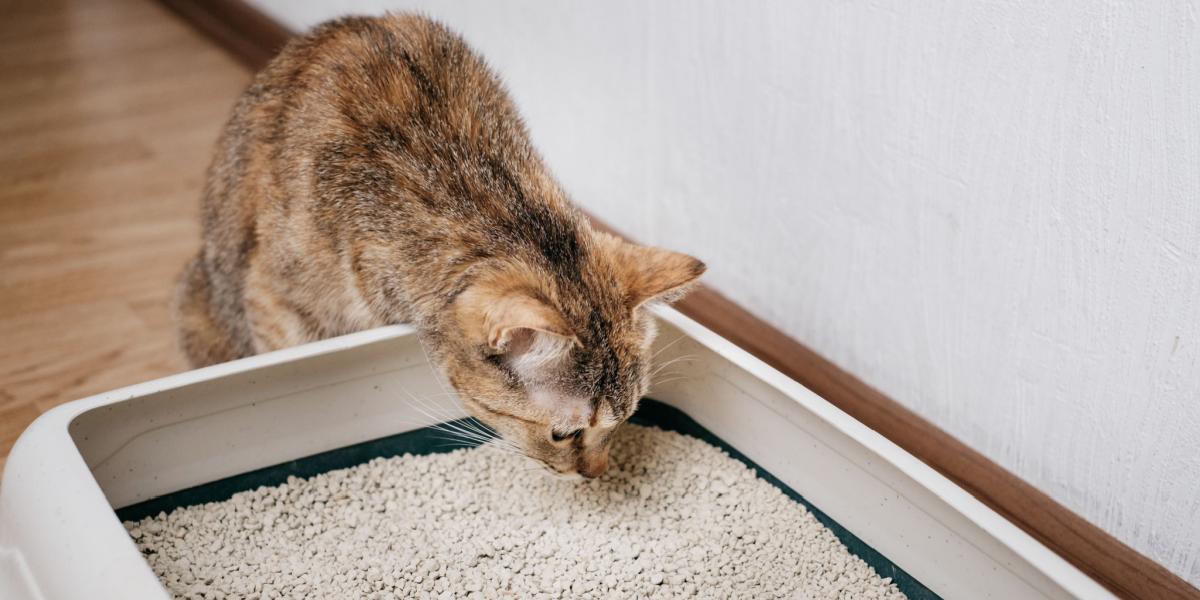
Okay, so let's talk cat poop. Seriously! How do those fluffy overlords learn to use the litter box? It's kinda magical, right?
Think about it. They arrive in your home, tiny fluffballs. And boom! Most head straight for the sandpit. How?
Instinct and Imitation: The Dynamic Duo
It's not rocket science, thankfully (for them, and for us). A big part is instinct. Cats are naturally inclined to bury their business. It's a primal thing. Hiding their scent helps them avoid becoming prey (or attracting unwanted attention from bigger, meaner cats).
Must Read
Cool fact: Some experts believe burying poop might also be a sign of submission. A less dominant cat hides its scent from a more dominant one. Who knew bathroom habits could be so political?
But instinct isn't the whole story. Kittens also learn from their moms. Mama cat shows them the ropes. "This is the box. This is where we go. Dig, dig, dig. Cover it up." Simple, right?
Think of it like this: Kitten sees Mom doing her business, kitten copies Mom. Monkey see, monkey do... except it's kitten see, kitten poo!
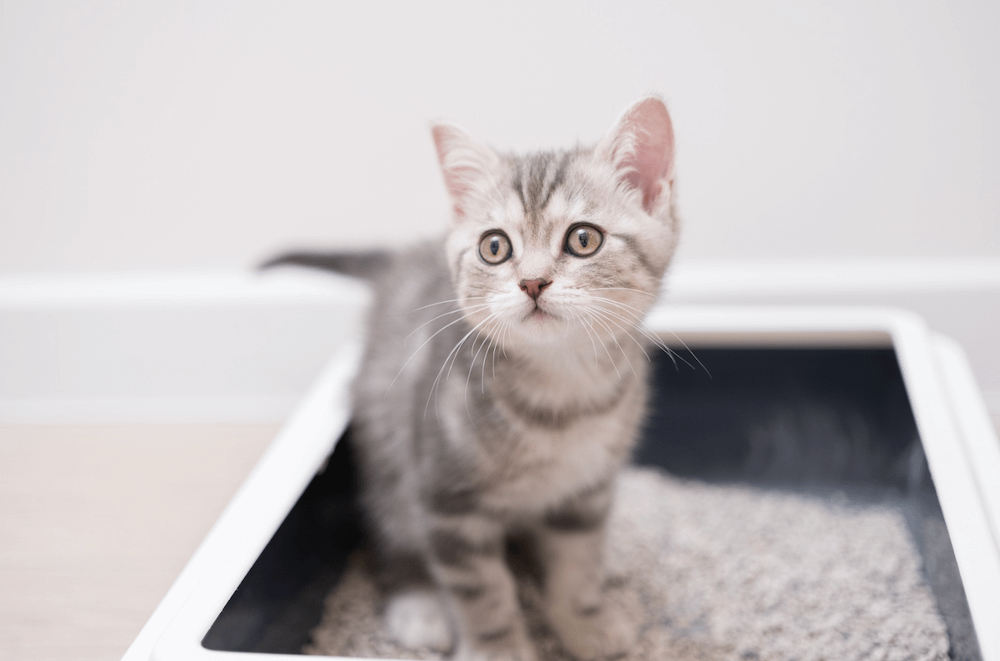
No Mom around? No problem! Kittens are surprisingly adaptable. They often figure it out on their own, especially if the litter box is easy to access and the litter is appealing.
The Litter Box Lowdown: Location, Location, Location!
So, you've got a kitten. What now? First, location is key. Put the litter box in a quiet, accessible place. Away from loud noises (like the washing machine) and high-traffic areas.
Imagine trying to concentrate with your roommate blasting death metal. Not ideal bathroom ambiance, right? Same for cats.
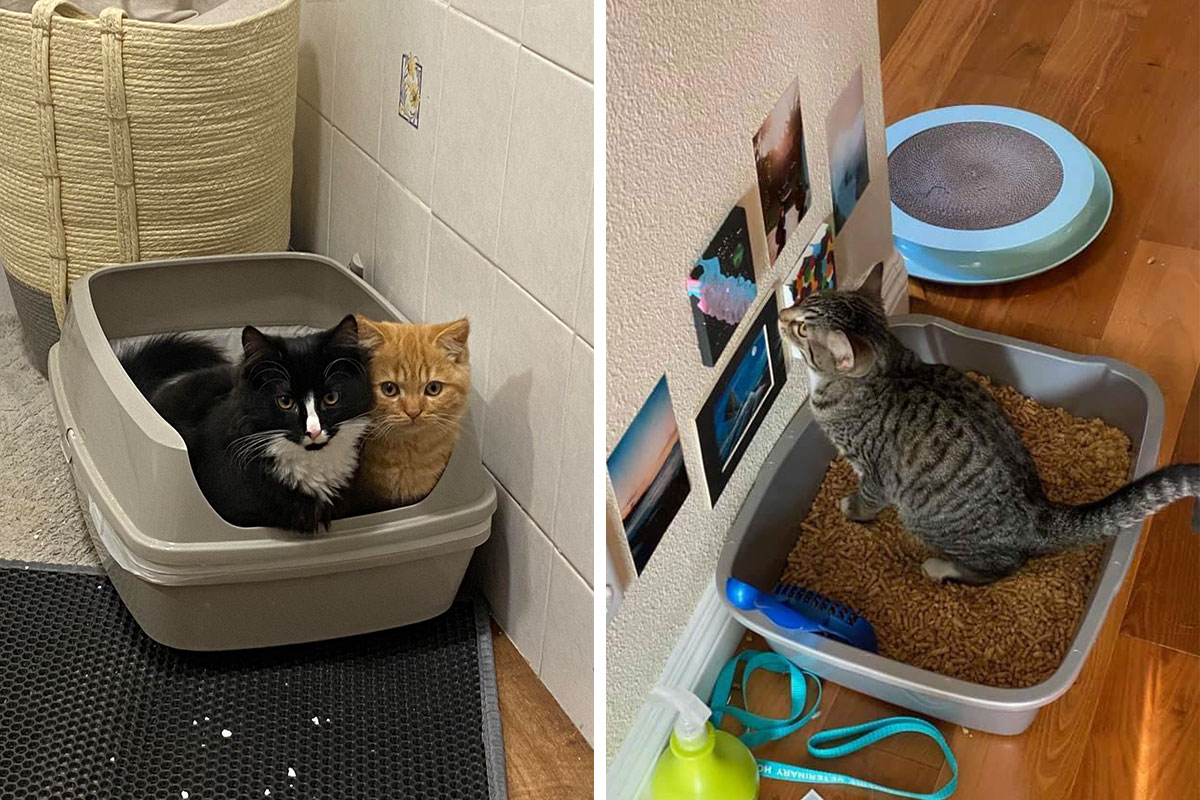
Also, think about accessibility. Tiny kittens can't jump super high. Make sure the box isn't too far away or too difficult to get into.
Next, the litter itself matters. Most cats prefer unscented, clumping litter. Avoid anything too dusty or strongly perfumed. You might like the smell of lavender, but your cat might think it smells like a chemical warfare zone.
Fun fact: Cats are notoriously picky! What one cat loves, another will despise. You might need to experiment to find the perfect litter match.
Accidents Happen: Don't Panic!
Even with the best setup, accidents can happen. Don't freak out! Never punish your cat. That'll just make them scared of you and the litter box.
:max_bytes(150000):strip_icc()/how-do-cats-know-how-to-use-the-litter-box-1283463889-2000-f1260aa75bac4dd6b968fe43b2dd1993.jpg)
Instead, try to figure out why the accident occurred. Is the box too dirty? Is it in a bad location? Is the cat stressed? Is there a medical issue?
Sometimes, a sudden change in routine (like a new baby or a new pet) can cause stress, leading to litter box avoidance. Other times, it could be a sign of a urinary tract infection. If you're concerned, consult your vet.
Clean up accidents thoroughly with an enzymatic cleaner. This will remove the odor completely, preventing your cat from returning to the same spot. Regular cleaners just mask the smell, which isn't good enough for a cat's super-sensitive nose.

The Mystery of the Missing Poop
Ever wonder why some cats insist on scratching outside the litter box after doing their business? It's a mystery! Some believe it's a way of further marking their territory. Others think they're just weirdos.
Either way, it's a reminder that cats are complex creatures. They have their own unique personalities and quirks. And their bathroom habits are just one small piece of the puzzle.
So, there you have it! The (mostly) complete guide to cat litter box training. It's a mix of instinct, imitation, and a little bit of luck. Just be patient, observant, and understanding. And remember, a happy cat is a well-pooped cat!
Now go forth and conquer the world of cat poop! Or, you know, just keep your litter box clean. That works too.