How Clean Is Nuclear Power
Have you ever stopped to wonder where the electricity that powers your phone, lights your home, or runs your morning coffee maker actually comes from? In a world increasingly focused on climate change and sustainable living, the question of "clean energy" is popping up everywhere. And right in the middle of that conversation, often misunderstood and sometimes passionately debated, sits nuclear power. It's a fascinating topic, surprisingly fun to dive into with a relaxed, curious mind. So, let’s peel back the layers and ask: how clean is nuclear power, really?
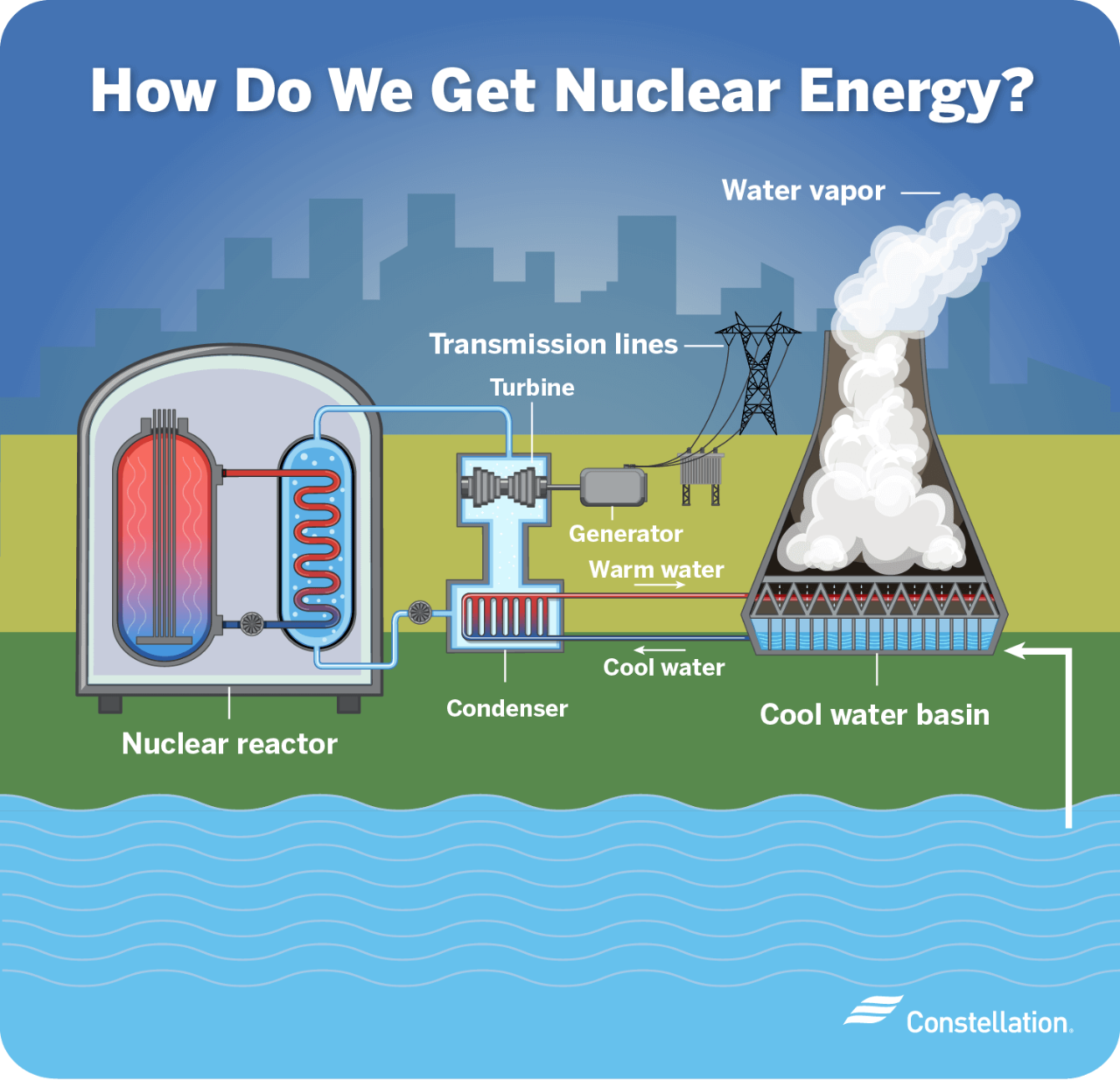
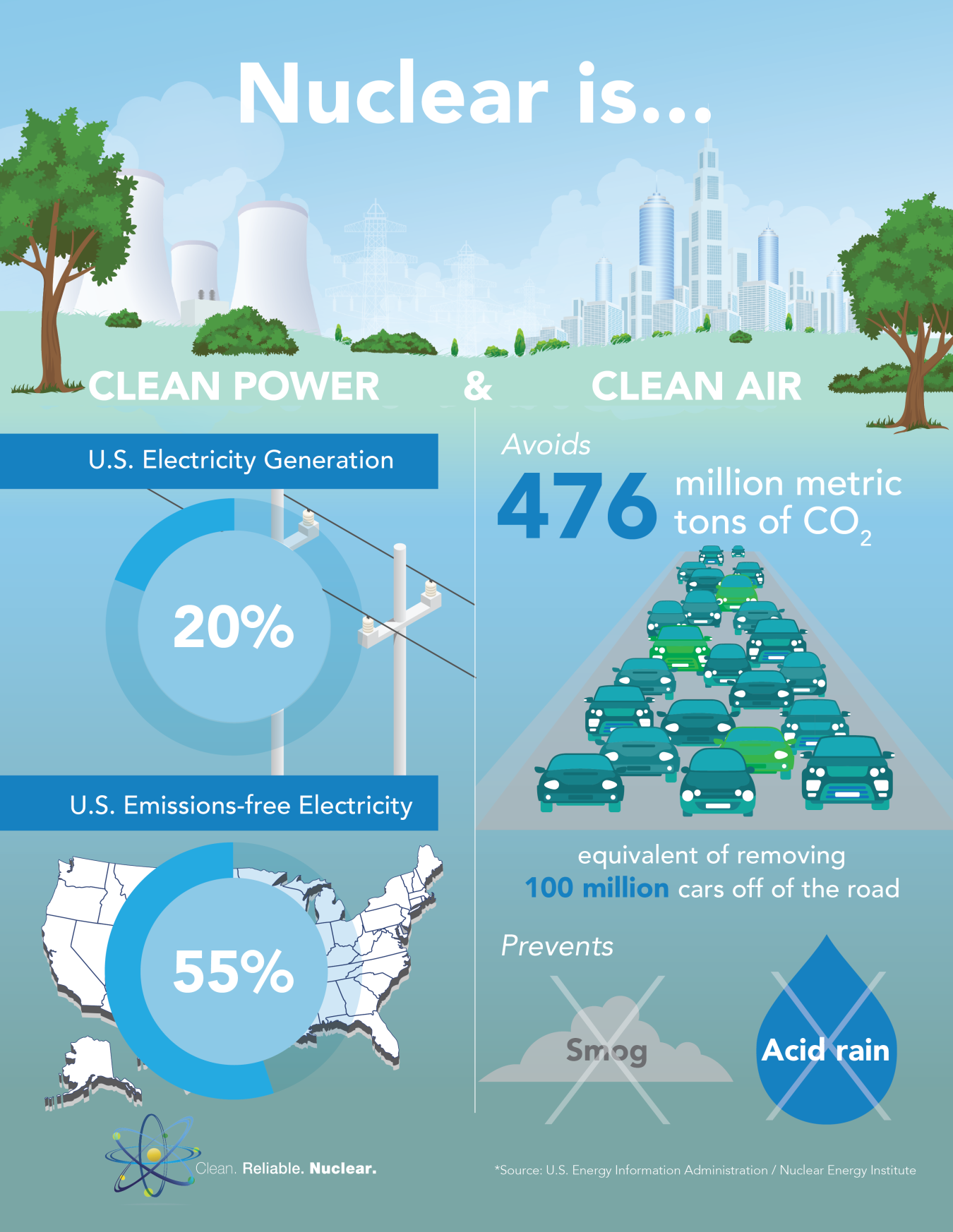
At its heart, nuclear power serves a crucial purpose: generating a massive amount of electricity without burning fossil fuels. This is its biggest environmental advantage. Unlike coal or natural gas plants, nuclear reactors don't release carbon dioxide, methane, or other greenhouse gases into the atmosphere during operation. That’s a huge win for air quality and for slowing climate change. Imagine a power source that can run 24/7, reliably providing what’s called "baseload" power – the constant supply our grids need – all while keeping the sky clear of smog. This ability to produce dispatchable, low-carbon electricity is a major benefit for decarbonization.
But, like any complex technology, nuclear power isn't without its nuances. When we talk about "cleanliness," it's not just about what comes out of the smokestack (or lack thereof), but also the full lifecycle. There's the mining of uranium, the construction of the power plant, and of course, the infamous question of nuclear waste. This waste, while small in volume compared to the energy it produces and securely stored, remains radioactive for a very long time, posing a unique long-term management challenge. This aspect often sparks debate and fuels public concern. So, while operationally nuclear power is incredibly clean from an emissions perspective, the waste requires careful and continuous attention.
Must Read
So, how can you explore this topic further in your daily life or studies? You might not have a nuclear reactor in your backyard, but understanding energy mixes is key. Many university engineering programs and scientific research institutions are dedicated to improving reactor safety, optimizing fuel cycles, and pioneering advanced waste management techniques. Science museums often feature interactive exhibits on energy production, explaining atomic energy in a digestible way. Even simply checking your local utility’s energy mix report can give you a clearer picture of where your power comes from and how nuclear might fit in.
If you're feeling curious, here are a few simple ways to dive deeper. Start by reading reputable sources like the International Atomic Energy Agency (IAEA) or government energy departments (e.g., the U.S. Department of Energy). Watch a documentary that explores both the promises and challenges of nuclear power. You could even look up virtual tours of nuclear power plant visitor centers – many offer fascinating insights into their operations and safety protocols. The key is to approach the subject with an open mind, recognizing that "clean" isn't always a simple yes or no answer, especially for powering our modern world. It’s about weighing the benefits against the challenges and understanding the full picture.