How Can You Tell If A Septic Tank Is Full

Ah, the humble septic tank. It might not be the subject of inspiring poetry or romantic comedies, but for countless homeowners, it’s an unsung hero, silently toiling beneath the earth to ensure our modern comforts. We all adore the simple luxury of flushing a toilet or draining a sink without a second thought, and that peace of mind? That, my friends, is the quiet joy of a well-functioning septic system. It’s the invisible backbone of indoor plumbing in areas beyond the reach of municipal sewers, a testament to ingenious, underground engineering that makes daily life clean, convenient, and utterly stink-free (most of the time!).
The primary benefit of a septic system is its crucial role in safe and effective wastewater management. It handles all the dirty work from your toilets, showers, sinks, and washing machines, separating solids from liquids and treating the effluent before dispersing it harmlessly into the soil. This prevents groundwater contamination, protects public health, and allows homes in rural or suburban settings to enjoy all the amenities of city living without needing miles of expensive piping. Essentially, it’s your personal, on-site waste treatment plant, keeping your home hygienic and your surrounding environment cleaner.
You’ll find septic tanks diligently at work across vast swathes of the country – from cozy cabins nestled in the woods to sprawling suburban estates and even many small businesses that operate off the main grid. Every time you turn on a faucet, take a shower, or, yes, flush a toilet in one of these locations, you're interacting with a system powered by a septic tank. It's a marvel of independence, quietly managing a fundamental aspect of modern living without you ever having to see the process.
Must Read
But like any diligent worker, a septic tank needs a little attention to keep performing its best. So, how can you "enjoy it more effectively," you ask? By knowing when it’s nearing its capacity and preventing an unpleasant surprise! Here are the tell-tale signs that your underground hero might be getting a little overwhelmed:
- Slow Drains & Gurgling Pipes: If water is draining sluggishly from sinks, showers, or tubs, or you hear strange gurgling noises from your plumbing, it’s a big red flag. The system is struggling to push water through.
- Sewage Backups: This is the most obvious and dreaded sign. If sewage starts backing up into your toilets, showers, or drains, your tank is definitely full, or there's a serious blockage.
- Foul Odors: A persistent sewage smell indoors near drains or outdoors near your septic tank or drain field indicates that gases (and possibly liquids) are escaping due to an overloaded system.
- Lush, Green, Soggy Patches: If you notice an unusually green, thick, or soggy patch of grass over your drain field, it means effluent (nutrient-rich wastewater) is surfacing instead of being properly absorbed.
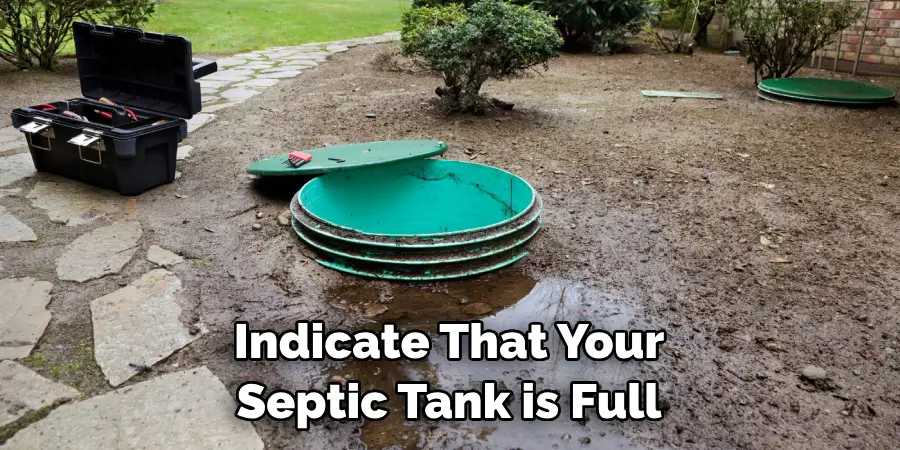
- Standing Water: Puddles or standing water in the area above your septic tank or drain field are a clear sign of system overload or failure.
If you observe any of these symptoms, it’s time to call a qualified septic professional. Regular pumping (typically every 3-5 years, depending on household size and usage) is the best way to prevent these issues and ensure your septic system continues its thankless yet vital work, keeping your home comfortable and your peace of mind intact.