
How Big Is A Barrel Of Oil
Okay, so picture this: You’re scrolling through the news, maybe sipping your coffee (or something stronger, no judgment here!), and you see the headline: "Oil prices hit X dollars per barrel." And for a split second, you probably picture one of those big, rusty, metal drums you see in movies or at construction sites, right? Like, a physical barrel.
Admit it, we all do! It’s the natural assumption. But here’s the kicker, the little secret the oil world keeps from us mere mortals: it’s not actually a physical barrel anymore! Mind blown, right? Go ahead, take a moment. I’ll wait.
So, How Big Is This Mysterious "Barrel"?
The truth is, when we talk about a "barrel of oil" today, we’re actually talking about a unit of measurement. It’s like saying a "dozen" eggs – you don't expect them to come in an actual wooden dozen-egg box, do you? (Though that would be kinda cool, not gonna lie).
Must Read
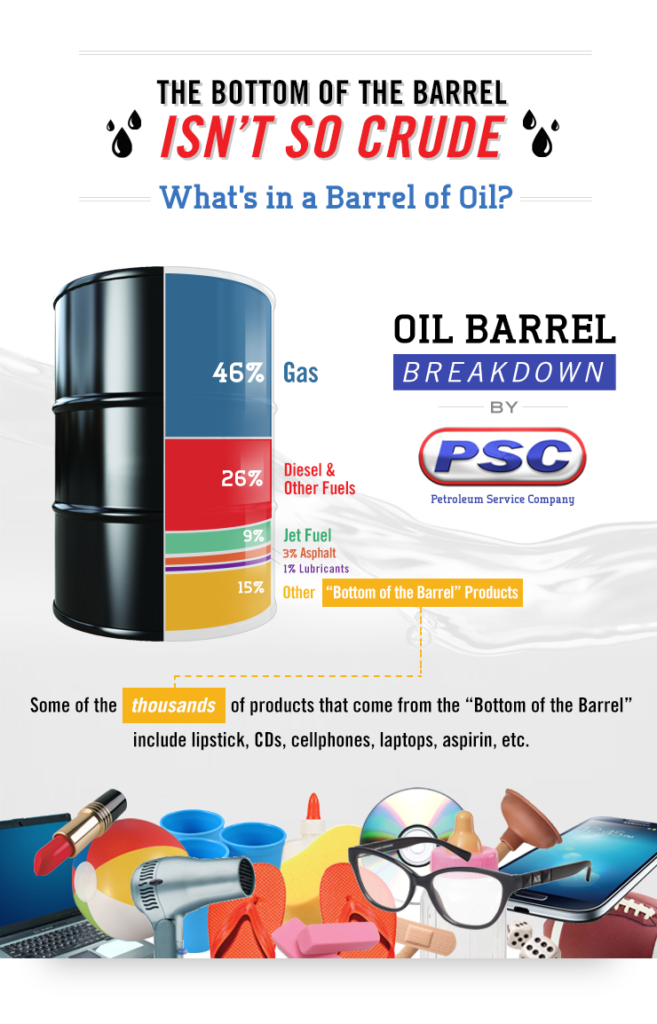
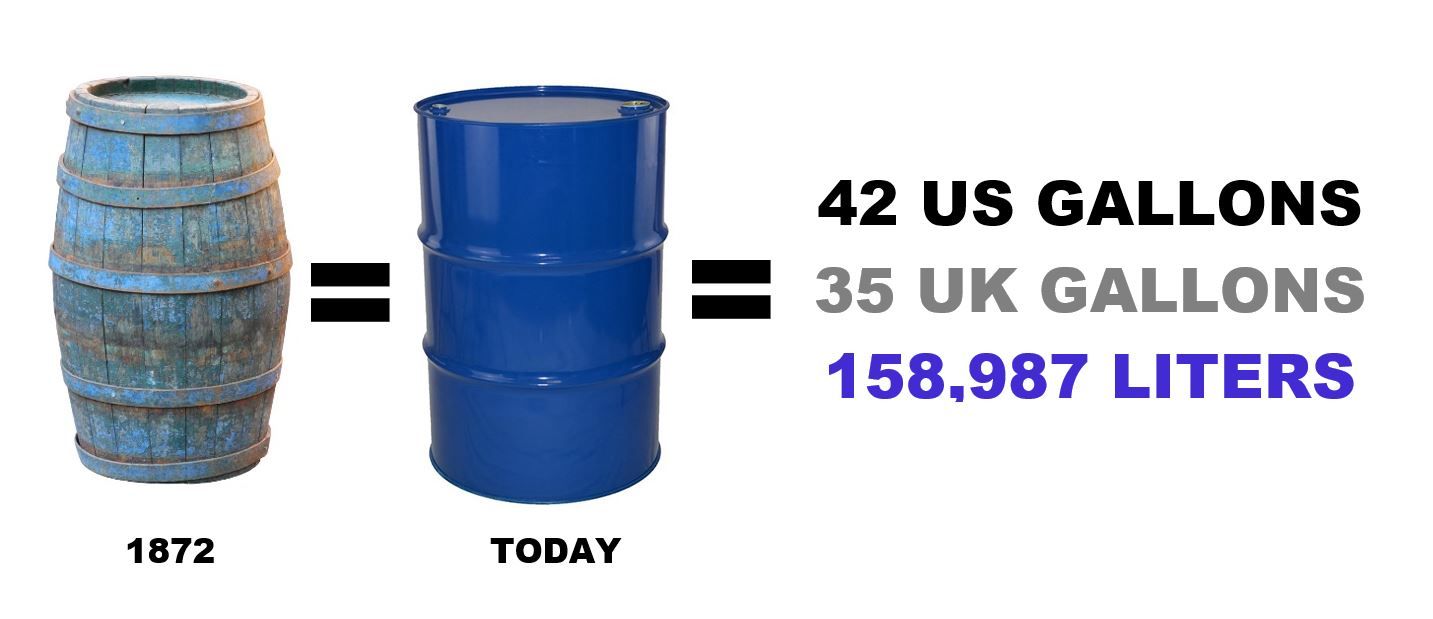
Specifically, a barrel of oil is exactly 42 US gallons. Yep, forty-two! Not 55 gallons, which is what those physical drums often hold. Oh, the trickery!
Why 42 Gallons, You Ask? Because History is Wild!
This isn't some arbitrary number pulled out of a hat by a bunch of dudes in a smoky room (well, maybe it was, but with more beards and less smoking). This 42-gallon standard dates all the way back to the mid-1800s, to the dawn of the oil industry in Pennsylvania.
Back then, when they first struck oil, they didn't have fancy pipelines or huge tankers. They just filled up whatever containers they had lying around. And what did they have? Whiskey barrels! Lots and lots of whiskey barrels. Because, let's face it, frontiersmen had their priorities straight.
These whiskey barrels typically held around 40 gallons. But then, in 1866, the Pennsylvania producers got smart. They decided to standardize things. They figured, "Hey, if we put 42 gallons in a barrel, it gives us a little wiggle room for leakage or evaporation during transport." So, buyers knew they were getting a full 40 gallons of usable oil, even if a tiny bit vanished along the journey. How clever is that?

It was a gentlemen's agreement, really. A handshake deal that stuck. And the 42-gallon barrel was born!
Let's Get Visual: What Does 42 Gallons Look Like?
Okay, 42 gallons. Is that a lot? A little? Let’s put it into terms we can actually picture. Because "gallons" can be a bit abstract, right?
- Your average bathtub holds about 30-40 gallons. So, a barrel of oil is like a really, really full bathtub. Maybe one of those fancy spa tubs.
- Think soda cans! A standard 12-ounce soda can. A barrel of oil is roughly equivalent to 336 of those cans. Imagine stacking those up! That's a party. Or a very serious caffeine addiction.
- How about milk jugs? Those big one-gallon ones? You'd need 42 of them lined up. That's a lot of milk, my friend. Enough for a lifetime of cereal.
Suddenly, "a barrel of oil" feels a lot more tangible, doesn't it? It's not just a vague term anymore; it’s a measurable, understandable volume.

So, They Don't Ship It In Barrels Anymore?
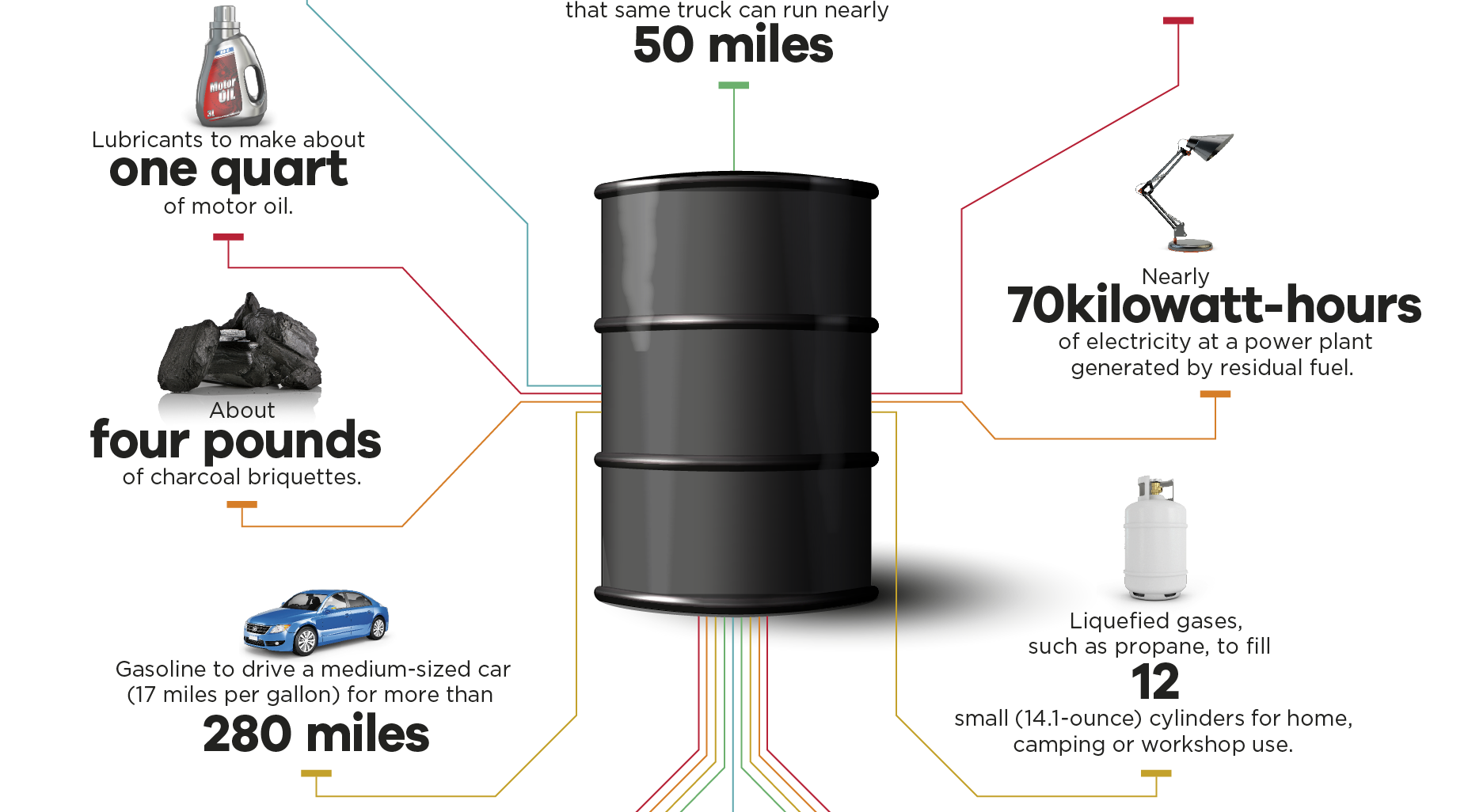
Nope! Not usually, anyway. Today, crude oil is transported in massive supertankers that carry millions of barrels (as in, 42-gallon units) at a time. It also travels through thousands of miles of pipelines. The physical drums you might still see around are typically used for refined products, like lubricants, or for smaller quantities of specialized chemicals, but not for the vast rivers of crude that fuel our world.
Those big metal drums you imagine? They actually hold about 55 US gallons, just to add another layer of confusion to the mix. So, even if they were shipping crude in drums, they wouldn't be "barrels" in the measurement sense. Wild, isn't it?
Why Does This Matter to You?
Well, knowing this little tidbit makes you sound super smart at your next dinner party, for starters! But more importantly, it helps demystify the oil market. When you hear about prices going up or down "per barrel," you now know exactly what volume they're talking about.
It’s a standard that allows everyone, from producers to traders to you filling up your tank, to understand the global commodity market. It’s a common language for a very big, very important industry.
So, there you have it! The next time someone mentions a barrel of oil, you can confidently nod, perhaps with a slight smirk, knowing the true story behind that seemingly simple word. And maybe, just maybe, you'll picture 336 cans of soda instead of a dusty old drum. You’re welcome!