Home Security System Motion Detector
Ever found yourself sitting at home, perhaps late at night, and heard a strange creak? That little flutter of curiosity, or maybe even a tiny jolt of apprehension, is a perfectly natural human response. We all want to feel safe and sound in our personal sanctuaries. That's where technology steps in, not just to alleviate worries, but to offer a fascinating glimpse into how our homes can become smarter, more responsive places. Today, we're going to peek behind the curtain of something quite common yet wonderfully clever: the motion detector in a home security system.
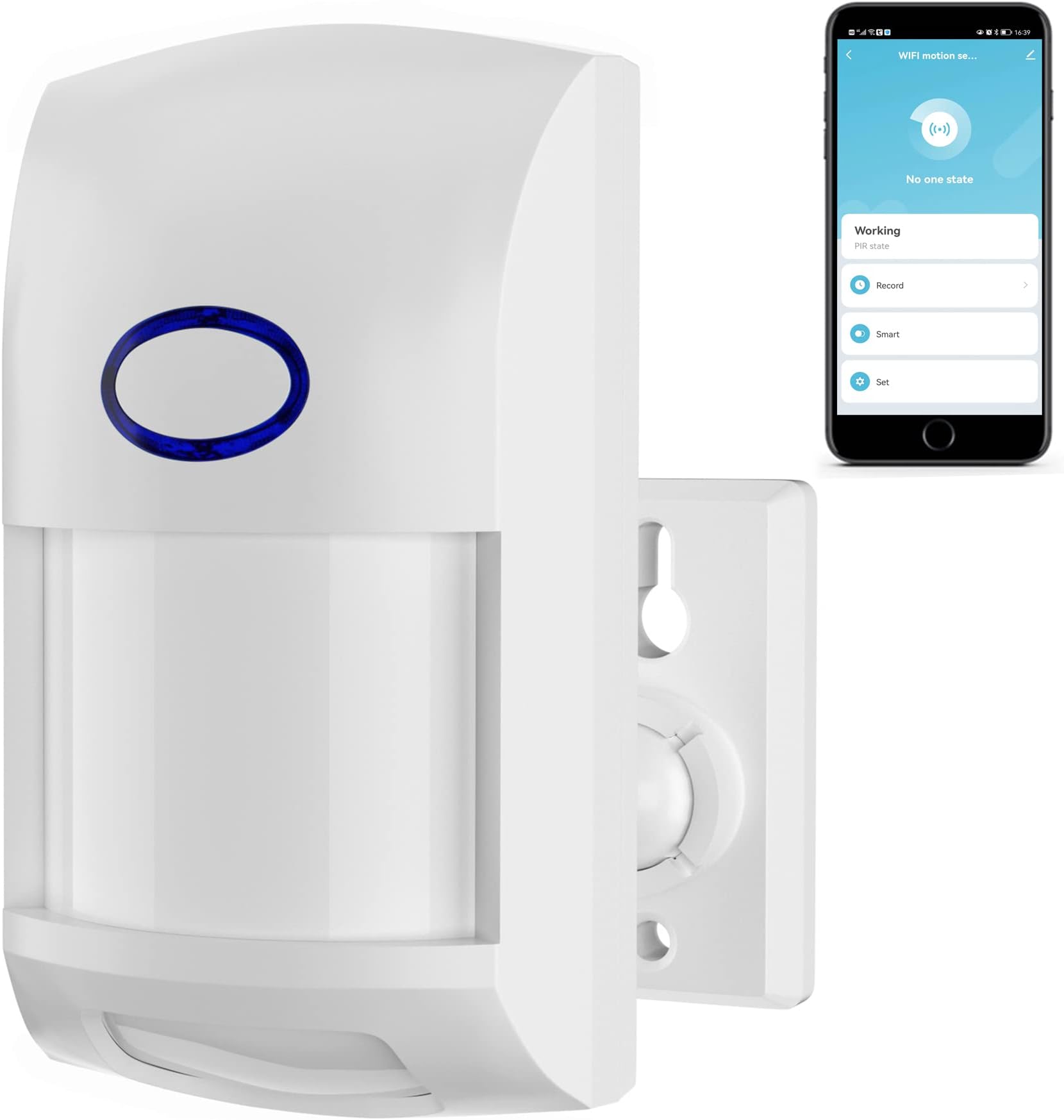
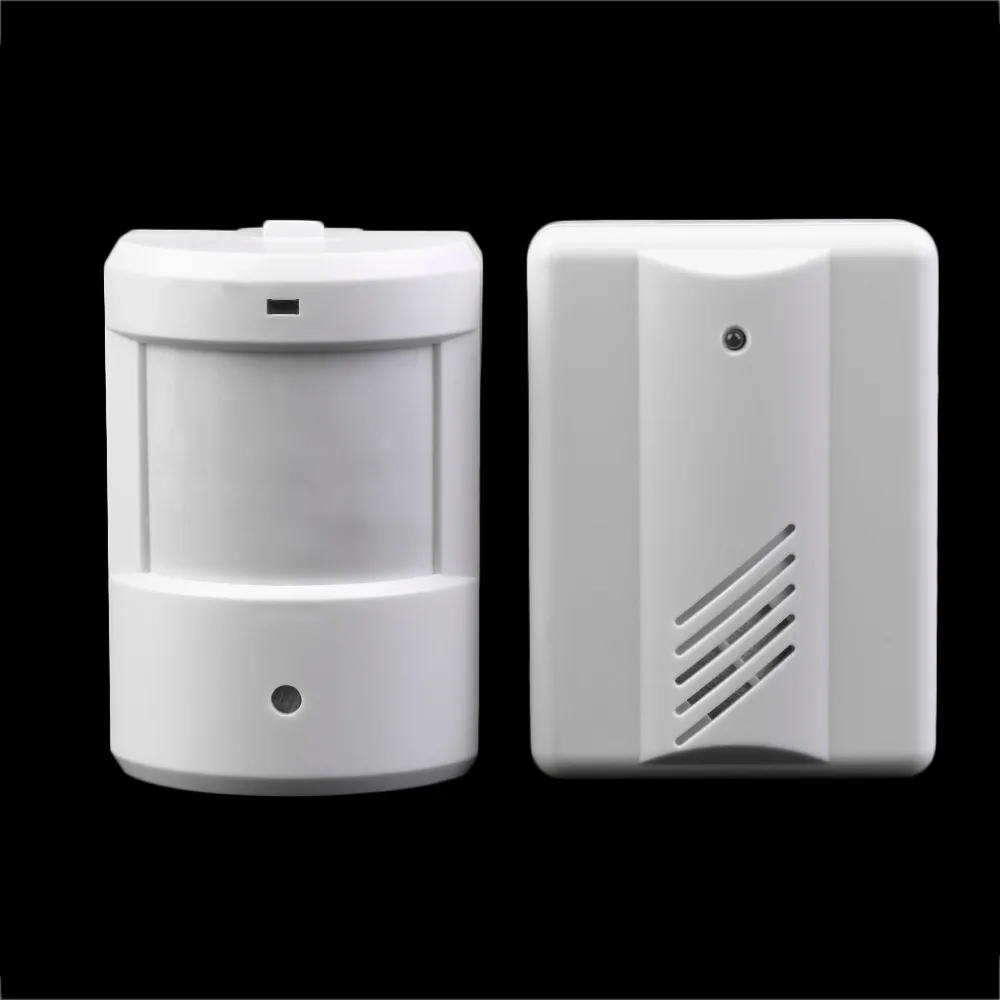
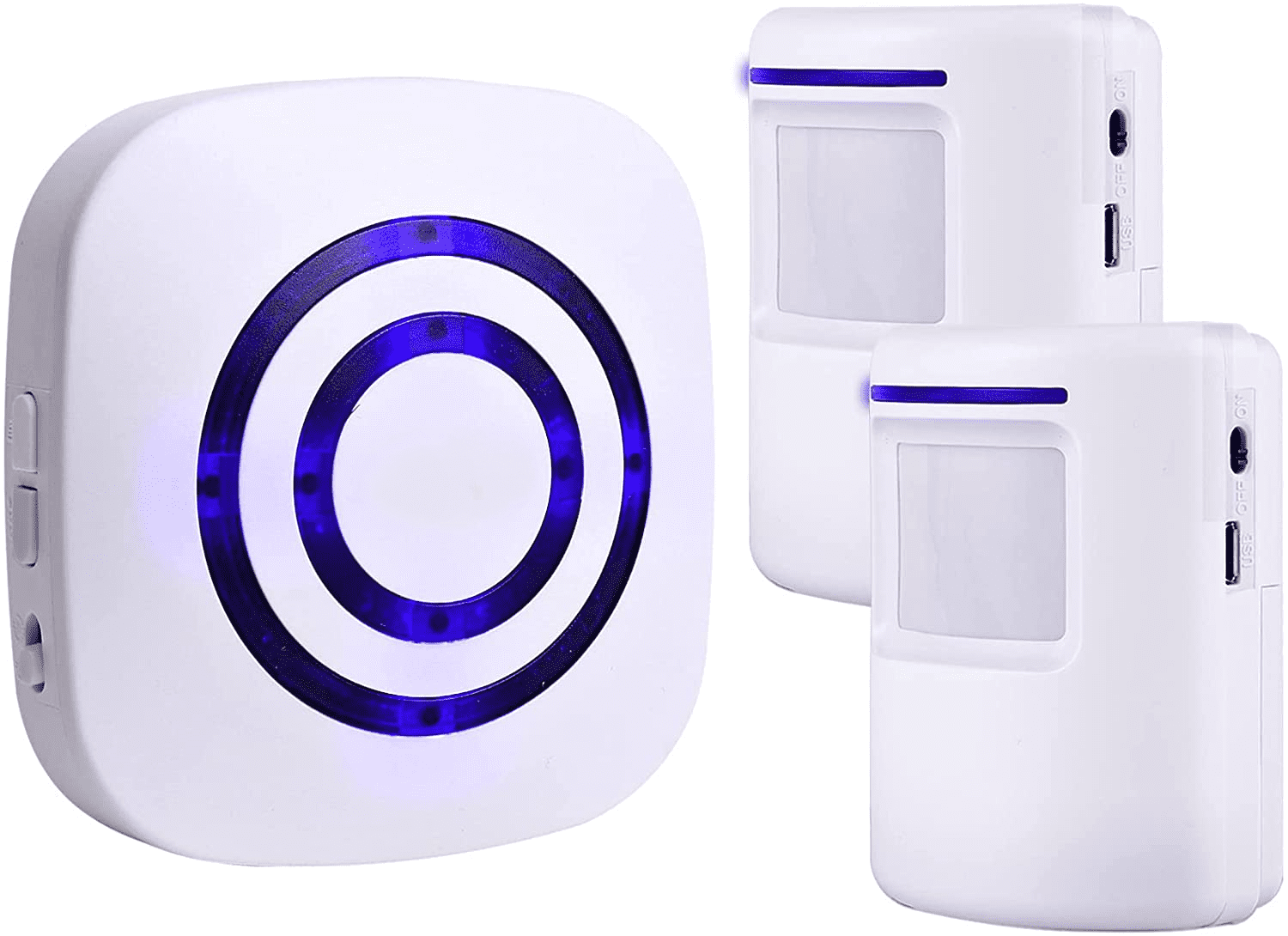
Far from being just a tool for stopping villains in movies, motion detectors are silent guardians that keep an electronic eye on your space. Their primary purpose is elegantly simple: to sense movement within a designated area. Most commonly, home security systems use Passive Infrared (PIR) sensors, which don't emit anything themselves. Instead, they passively "listen" for changes in infrared energy – essentially, detecting the heat emitted by moving bodies. When a warm body, like a person or a pet, moves into its field of view, it creates a sudden change in infrared levels, and the detector says, "Aha! Something's there!"
The benefits of this vigilant watch are numerous. Primarily, they provide an invaluable layer of security. Should an intruder enter your home, the motion detector will trip the alarm, alerting you and potentially the authorities. But their utility extends far beyond just security. Imagine walking into a dark room, hands full, and the lights simply pop on – that's often a motion detector at work, offering immense convenience. They can be integrated into smart home setups to automate lighting, control thermostats when a room is occupied, or even send you a discreet notification if your dog jumps on the couch while you're out. They offer significant peace of mind, knowing there's an invisible watchman always on duty.
Must Read
Beyond home security, motion detectors pop up in surprisingly many places. Think about those automatic lights in public restrooms or the doors that magically slide open at the supermarket – these are all applications of similar motion-sensing technology. In an educational context, these sensors are fantastic for hands-on learning. Students can explore concepts of infrared radiation, basic electronics, and even simple programming by building their own motion-activated circuits with inexpensive kits like Arduino or Raspberry Pi. It’s a brilliant way to understand physics and engineering in action!
Want to explore this fascinating tech yourself? You don't need to be an engineer! Start by simply observing: notice where motion detectors are used in your daily life, from your doorbell camera to public spaces. If you have a home security system, try to understand where its motion sensors are placed and why – usually in corners, overlooking entry points. Consider getting a simple, battery-operated motion-activated light for a closet or pantry. Pay attention to how it reacts: does it sense your cat? How far away can it detect you? Learning about motion detectors helps demystify a crucial part of our connected world, empowering us to understand and even creatively apply the clever tech that keeps our homes safe and smart.