
Highest Percentage Of Thc Ever Recorded
Ever wondered just how potent cannabis can get? It's a question that piques the curiosity of many, whether they're seasoned enthusiasts or simply intrigued observers. The quest for the highest percentage of THC ever recorded isn't just about bragging rights; it's a journey into the plant's remarkable genetic potential and the science driving its cultivation. So, let's dive in and explore this fascinating topic!
But why bother learning about THC percentages? Well, understanding the potency of cannabis is becoming increasingly relevant in a world where cannabis laws are evolving and access is expanding. It allows consumers to make more informed choices, ensuring a safer and more enjoyable experience. Plus, it shines a light on the incredible advancements in cultivation techniques and selective breeding. Think of it as understanding the alcohol content of different wines or beers - the more you know, the better equipped you are to choose what's right for you.
The pursuit of high THC levels serves several purposes. Primarily, it's driven by the desire to maximize the therapeutic benefits associated with THC. Many users seek out high-THC strains for pain relief, relaxation, and mood elevation. The potential benefits extend to areas like reducing nausea, stimulating appetite, and even aiding in sleep. Moreover, high-THC strains can be more efficient in delivering these effects, potentially requiring smaller doses to achieve the desired outcome. However, it's crucial to emphasize that higher THC doesn't always equate to a "better" experience, as the overall effect is also heavily influenced by other cannabinoids, terpenes, and individual tolerance levels.
Must Read
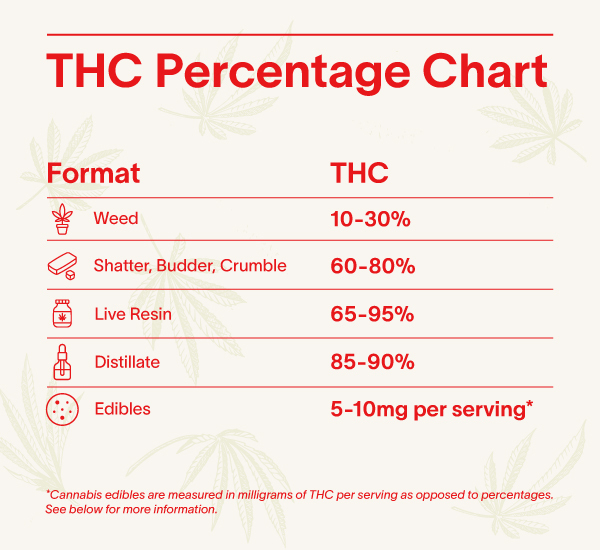
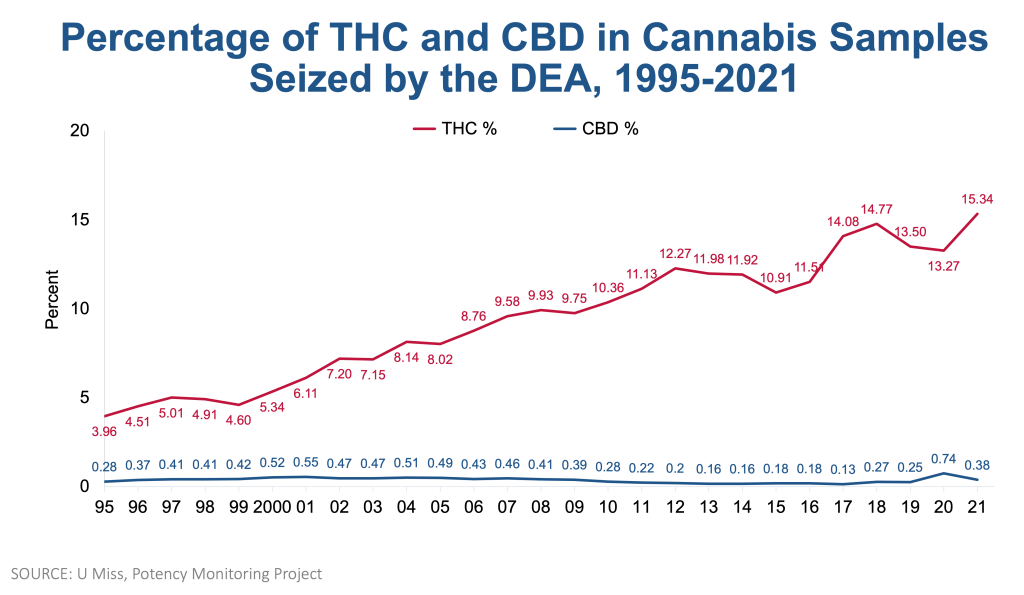
While finding the definitive "highest ever" percentage is tricky due to varying testing methods and the constant evolution of cannabis strains, reports suggest that certain strains have reached THC levels pushing 30% or even beyond in controlled laboratory settings. These are often the result of meticulous breeding and cultivation practices designed to optimize cannabinoid production. It’s important to remember that such high levels aren't necessarily the standard, and most commercially available cannabis falls within a more moderate range.
So, how can we relate this information to education and daily life? In education, understanding THC percentages helps students analyze scientific data and understand the complexities of plant genetics and pharmacology. In daily life, it empowers consumers to make informed purchasing decisions at dispensaries. Knowing the THC content, alongside other factors, can help you choose products that align with your desired effects and tolerance levels. It’s like reading the nutrition label on food - you can make better choices when you understand the ingredients.
Want to explore this topic further? A simple way is to research different cannabis strains online and compare their reported THC percentages. Pay attention to the source of the information and look for reputable labs and breeders. Another way is to visit a local dispensary (where legal) and talk to the budtenders. They can often provide insights into the different strains and their potency levels. Always remember to consume responsibly and be mindful of your own tolerance. Understanding the science behind THC empowers you to make informed choices and appreciate the incredible diversity of the cannabis plant.

![Highest THC Recorded [Do 40%% THC strains really exist?]](https://expertseedbank.com/wp-content/uploads/2022/05/the-highest-content-of-thc-in-weed-510x223.png)