
Has Anyone Died From Showering During A Thunderstorm Mythbusters
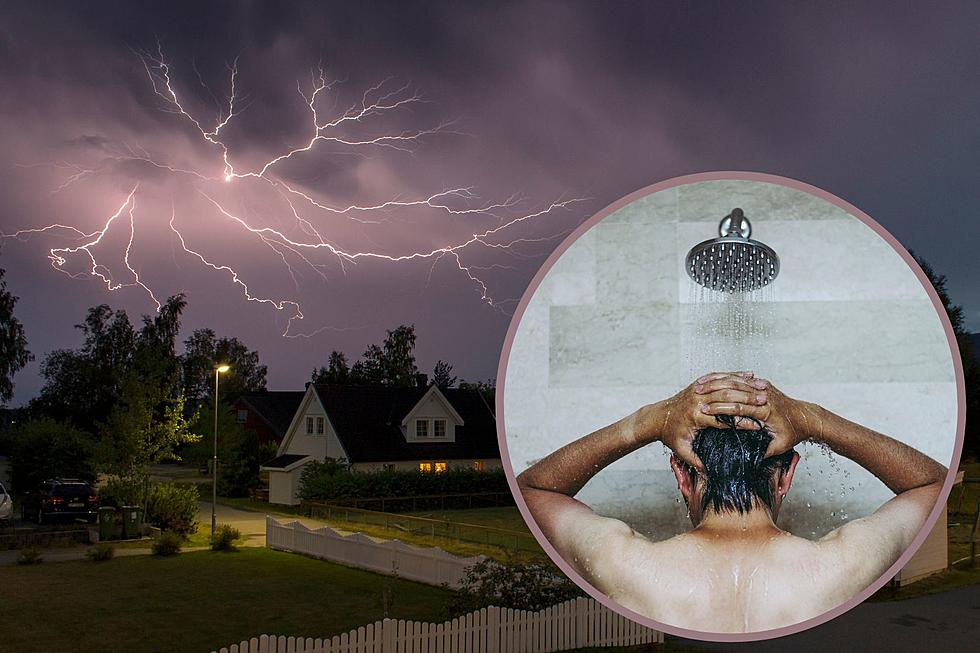
Picture this scenario: you're cozily nestled indoors, maybe sipping a warm drink, when a classic summer thunderstorm decides to make a grand entrance. The sky darkens dramatically, fat raindrops begin to hammer against your windows, and then comes that unmistakable crack and rumble of thunder. Suddenly, an urge strikes you – perhaps to wash off the day, or just to enjoy the comforting warmth of a steamy shower while the world outside goes wild.
But then, a familiar, nagging thought creeps in, like a mischievous little imp whispering in your ear: "Wait! Isn't showering during a thunderstorm a recipe for disaster? Haven't people actually died from lightning strikes in the shower?" It's a fear that’s surprisingly widespread, an old wives' tale wrapped in an electric blanket of anxiety.
This widespread notion often paints a vivid, terrifying picture: a bolt of lightning, seeking the path of least resistance, zipping through your home’s plumbing system and turning your serene shower into a shocking spectacle. It sounds incredibly dramatic, like a scene ripped straight from a low-budget horror flick. But is there any real truth to this electrifying urban legend, or is it just another myth waiting to be gloriously busted?
Must Read
Unpacking the electrifying pathway: How lightning travels
Let's clear the air and understand the very real physics at play. Lightning, as we all know, is an immensely powerful discharge of electricity, always searching for the quickest route to the ground. When it strikes near or directly on a house, it needs an escape route, and sometimes, our home's very own internal systems can inadvertently provide one.
Your house isn't just a collection of walls and furniture; it's a complex web of interconnected systems. Beyond the obvious electrical wiring that powers your lights and gadgets, there's also an intricate network of metal pipes. These metal pipes carry water to your sinks, toilets, and, yes, your beloved shower. If these pipes are connected to the ground outside, they can potentially act as a conduit for a lightning strike’s tremendous energy.
So, the underlying concept – that lightning can indeed travel through metal plumbing – is fundamentally true. If a lightning bolt strikes your home or even a utility pole connected to your water supply, that massive surge of electricity can theoretically race through those pipes. And if you happen to be in direct contact with those metal fixtures, perhaps holding a faucet or even just standing in the water itself, you could, in theory, complete the circuit.
From theoretical possibility to actual danger: Dispelling the drama
This is where we transition from the realm of "what if" to the far more reassuring world of "what actually happens." While the potential for lightning to travel through plumbing exists, the actual risk of it causing a fatal incident while you're enjoying your daily ablutions is incredibly, almost laughably, small. We are talking about statistical probabilities so remote they make winning the lottery seem like a regular occurrence.
The vast majority of lightning-related injuries and, tragically, deaths occur outdoors. Individuals caught in open fields, under isolated trees, or enjoying recreational activities near water bodies face the highest risk. The simple act of staying indoors during a thunderstorm is, by itself, a monumental step towards ensuring your safety and dramatically reducing your chances of being struck.
Inside your home, the primary lightning risks usually involve contact with corded electrical appliances, such as old landline phones, or being positioned near large windows and doors where a strike could cause physical damage or transfer a charge. Your modern shower, especially with its insulating plastic or fiberglass stall, typically isn't the most tempting target for a lightning bolt when compared to, say, a tall metal antenna on your roof or an ungrounded electrical line.
"The data consistently shows that direct fatalities from showering during a thunderstorm are so rare, they border on mythological," says a composite of lightning safety experts. "The true danger lies elsewhere." This expert consensus offers immense comfort to those who cherish their shower time.
Furthermore, most contemporary homes are equipped with sophisticated grounding systems and surge protectors. These unsung heroes of household safety are specifically designed to safely dissipate or redirect sudden electrical surges. They act like highly effective security guards, ensuring that any unwanted electrical visitors are promptly and safely escorted out, long before they can disrupt your peaceful bubble bath.

The myth of the deadly shower: A closer look
Let’s put the record straight: while lightning is an exceptionally dangerous natural phenomenon capable of causing severe injuries and, in some cases, fatalities, finding documented instances of deaths specifically attributed to showering during a thunderstorm is exceedingly difficult. Reports of indoor lightning injuries more commonly involve contact with corded electronics, ungrounded appliances, or general plumbing fixtures, rather than someone actively showering.
Think about how sensationalized such a story would be. Imagine the news reports: "Local Resident Electrocuted While Lathering Up!" or "Sudden Storm Turns Bathtub Into Bolt Trap!" The sheer unusualness of such an event would undoubtedly make it front-page news globally. The resounding silence on such specific incidents speaks volumes about their actual frequency – or lack thereof.
Organizations like the National Weather Service (NWS) and the Centers for Disease Control and Prevention (CDC) meticulously track lightning-related incidents. While they strongly advise caution around water during storms, their comprehensive data rarely, if ever, highlights specific shower-related fatalities as a recurring or even statistically significant category. Injuries, yes, are a possibility from touching any connected metal object, but direct deaths in the shower are extreme anomalies.
So, could you experience a painful jolt or a nasty shock? Potentially, under a very rare and unfortunate alignment of circumstances. Could such an incident be serious? Absolutely, any electrical shock can be dangerous. But is it a guaranteed death sentence every time the skies open up and you dare to turn on the faucet? No, dear reader, that terrifying scenario is overwhelmingly a figment of our collective imagination, amplified by fear and folklore.
Navigating the storm: Practical, sensible precautions
If you're genuinely concerned about lightning safety during a storm, it's wise to focus on more probable risks. Unplugging sensitive and valuable electronics, like your computer or television, is a smart move to protect them from potential power surges. Avoiding old corded landline phones (if they still exist in your home!) is also prudent, as the phone line can conduct electricity. And as a general rule, keeping a safe distance from windows and doors is always good advice, preventing injury from debris or a direct strike to the exterior.
When it comes to water, the general, cautious advice is to simply postpone activities that involve direct contact with plumbing for the duration of a severe storm. This means holding off on doing laundry, washing a sink full of dishes, or, yes, taking that shower until the thunder has stopped rumbling for at least 30 minutes. It's a sensible, low-effort precautionary measure, not a decree of impending doom.
The primary concern with plumbing isn't the water itself as much as the metal pipes that can act as conductors for electricity. If your home happens to have modern plastic piping, your risk is inherently much lower. Even with metal pipes, the odds of a direct strike channeling a dangerous current specifically to your shower faucet at the precise moment you're touching it, while incredibly rare, still warrants a moment of thought during an intense storm.
Embrace comfort, practice common sense
So, what have we learned from our journey into the heart of this electrifying myth? The fear of meeting your untimely end in the shower during a thunderstorm is, by and large, an exaggerated worry. While lightning is a force of nature that commands respect and caution, the idea of your bathroom transforming into a sudden electrocution chamber is far more likely to occur in a suspense novel than in your everyday life.
Next time those storm clouds gather and you find yourself yearning for the comforting embrace of a warm shower, take a deep breath. Don't let irrational panic dictate your actions. If the storm is a gentle, distant rumble, you're almost certainly fine. If it's a ferocious tempest with visible lightning striking close by, perhaps a brief, sensible delay in your shower plans is the wisest choice. It's about exercising good judgment, not succumbing to paralyzing anxiety.
Enjoy the sanctuary of your home, knowing that modern construction and safety measures are diligently working to protect you from the elements. The simple pleasure of a relaxing shower doesn't need to be overshadowed by a widely propagated, but largely unsubstantiated, myth. Life's little comforts are there to be savored, even when Mother Nature is putting on a dramatic show.
There's a unique tranquility in being safe and sound indoors, listening to the rhythmic drumming of rain and the distant growl of thunder, knowing you're protected. So go ahead, appreciate your hot water and the cleanliness it brings. Just remember, a little patience during the peak of a storm is always a good idea. Your peace of mind, and your perfectly safe plumbing, will definitely thank you.