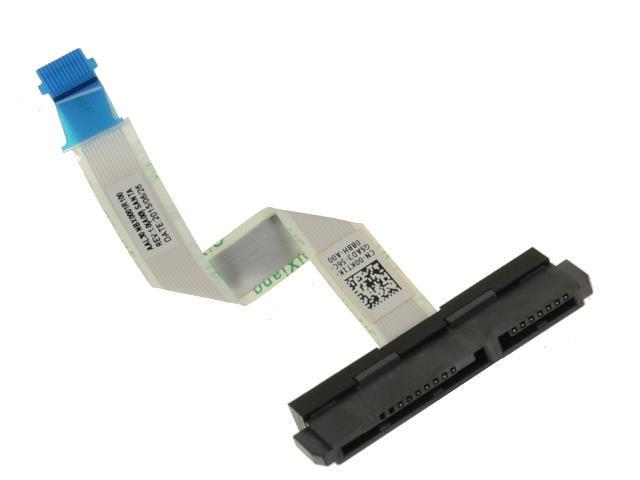
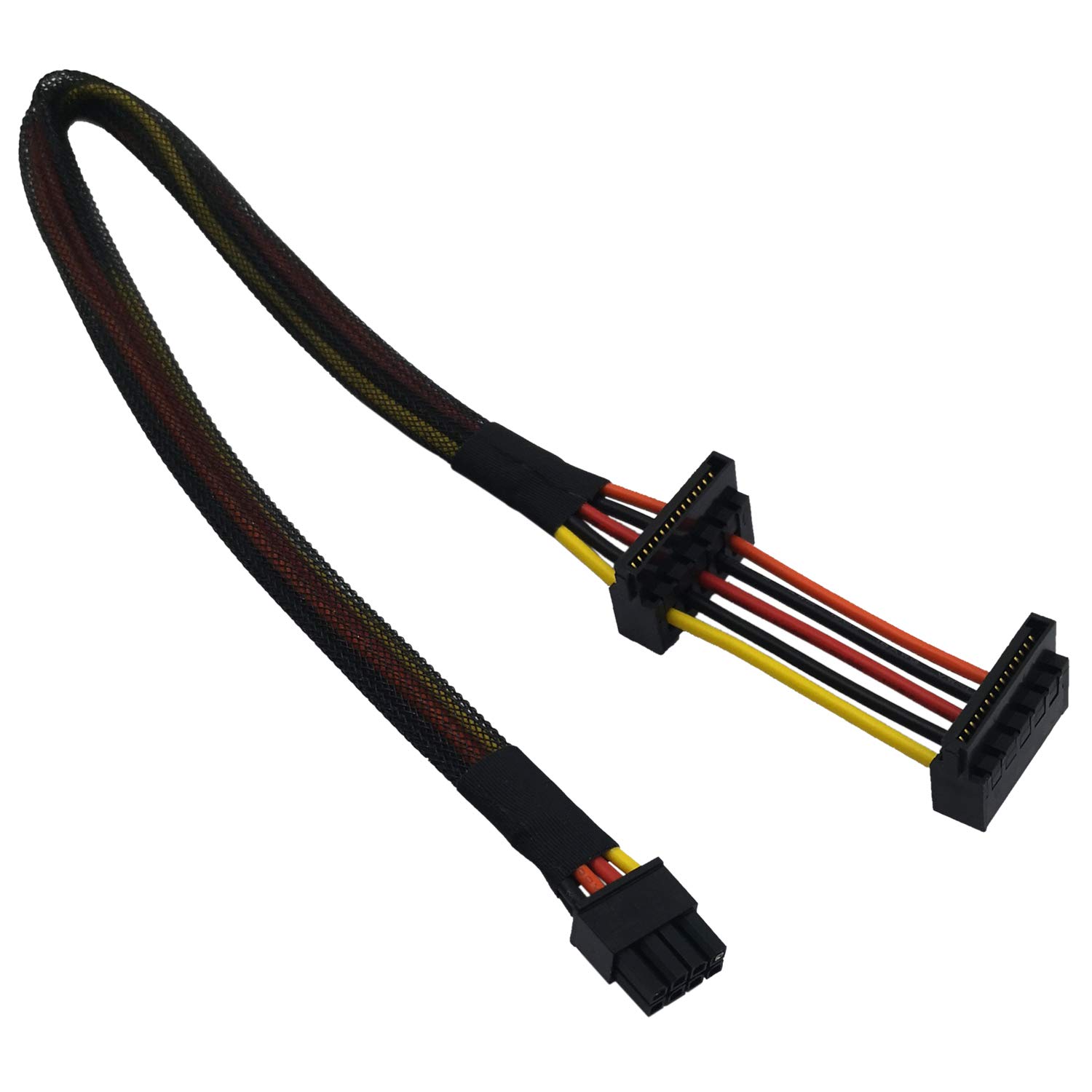
Hard Drive Dell Laptop Motherboard Cable

Let's talk about the inner workings of your Dell laptop! It might sound intimidating, but understanding a few key components like the hard drive, motherboard, and those connecting cables can be surprisingly fun and incredibly useful. Think of it like knowing a little bit about the engine in your car – you don't need to be a mechanic, but it helps you understand what's going on and maybe even troubleshoot a simple problem.
So, why should you care? Well, for beginners, just knowing these parts exist can demystify your laptop. If someone says, "Your hard drive is full," you won't be completely lost! You'll know it's something that stores all your files. For families, understanding these components can help you make smarter decisions about upgrades or repairs. Is it cheaper to replace the hard drive or buy a whole new laptop? Knowing the basics can save you money. And for hobbyists, tinkering with these parts can be a gateway to building your own computers, upgrading your gaming rig, or even just fixing a sluggish old laptop to give it new life.
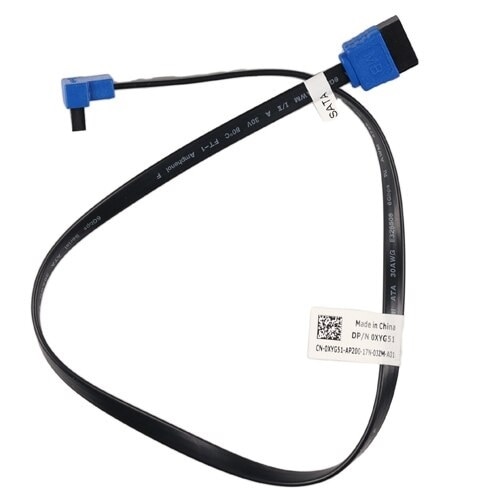
Let's break it down a little further. The hard drive (or increasingly, a Solid State Drive or SSD) is where all your information lives: your operating system, your photos, your documents, everything. Think of it as the laptop's filing cabinet. There are variations; HDDs are older, slower, and cheaper, while SSDs are faster, more expensive, and more reliable (less prone to physical damage). The motherboard is the main circuit board, like the central nervous system of your laptop. All the other components, including the hard drive, CPU, and RAM, connect to it. It allows them to communicate and work together. Finally, the cables are the connecting wires that link everything together, allowing data and power to flow between components. These can be SATA cables for hard drives, or smaller ribbon cables connecting various parts to the motherboard.
Must Read
What does this look like in practice? Imagine your laptop is running slow. One possible cause is a full hard drive. Knowing this, you can check your storage space and consider deleting unnecessary files or upgrading to a larger hard drive. Or, perhaps your laptop won't turn on at all. While it could be many things, a loose cable connecting the power supply to the motherboard could be the culprit. Gently re-seating the cable (after disconnecting the power, of course!) might be a simple fix.
Here are a few simple tips for getting started: First, don't be afraid to Google! There are tons of resources online, including videos and tutorials, for learning about laptop components. Second, start with a known working laptop. Disassembling a dead laptop can be frustrating if you don't know if the parts are even functional. Third, take pictures as you disassemble! This will help you remember how everything goes back together. And finally, always disconnect the power supply and remove the battery before working inside your laptop. Safety first!
Ultimately, understanding the hard drive, motherboard, and cables in your Dell laptop isn't about becoming a computer expert. It's about empowering yourself to understand your technology a little better, troubleshoot simple problems, and maybe even save some money along the way. So, dive in, explore, and enjoy the process of learning about the amazing machines that power our digital lives! You might be surprised at how rewarding it can be.