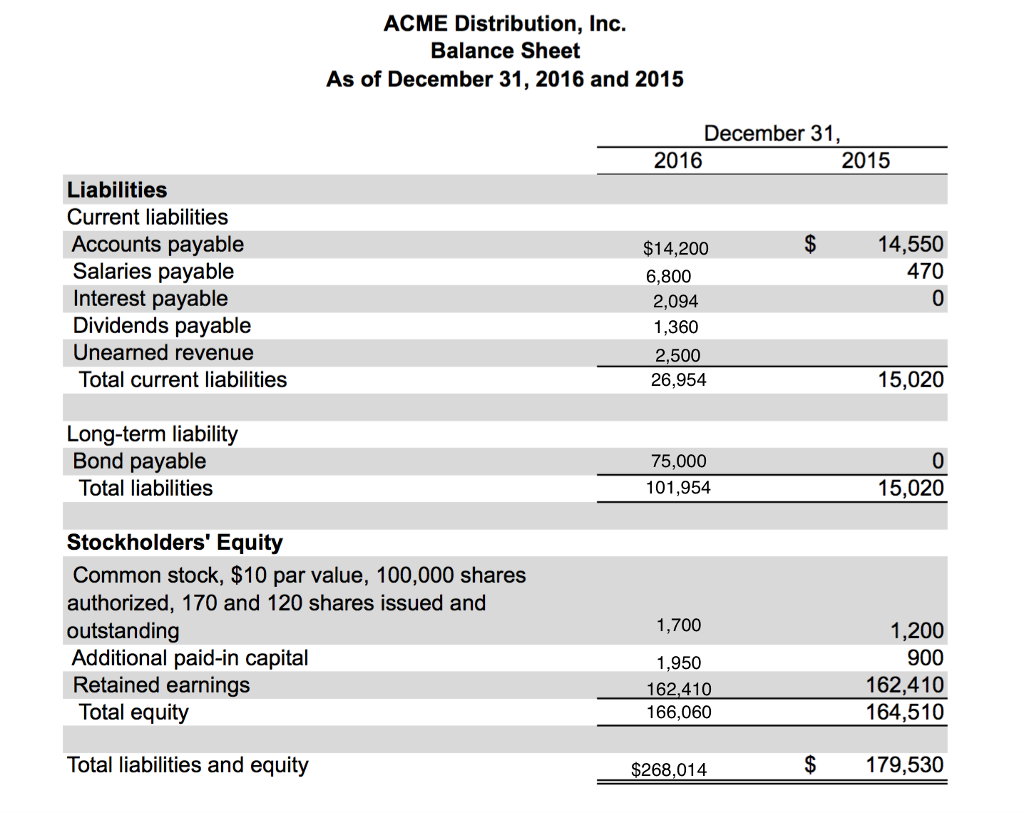
For The Year Ended December 31
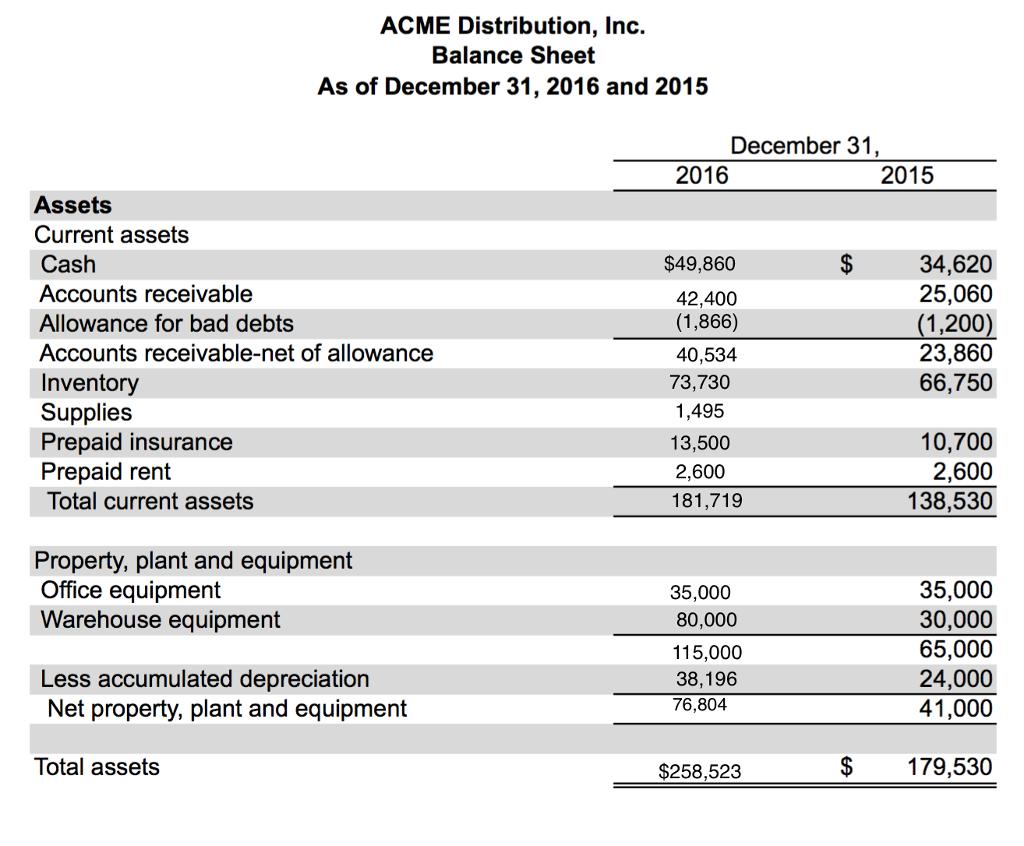
The calendar year. Twelve months, 365 days (give or take a leap year every four), a cycle as reliable as the sun rising. But for many, especially in the business world, the phrase "For the Year Ended December 31" carries significant weight. It's the culmination, the report card, the moment of truth.
But let's not get bogged down in spreadsheets and quarterly earnings just yet. Think of it instead as a cultural checkpoint, a shared experience across industries and even personal finance. Ever heard someone say, "New year, new me"? That sentiment often stems directly from the reflection that comes naturally around, well, the end of the year. And "For the Year Ended December 31" is simply the official declaration of that ending.
Decoding the Financial Lingo
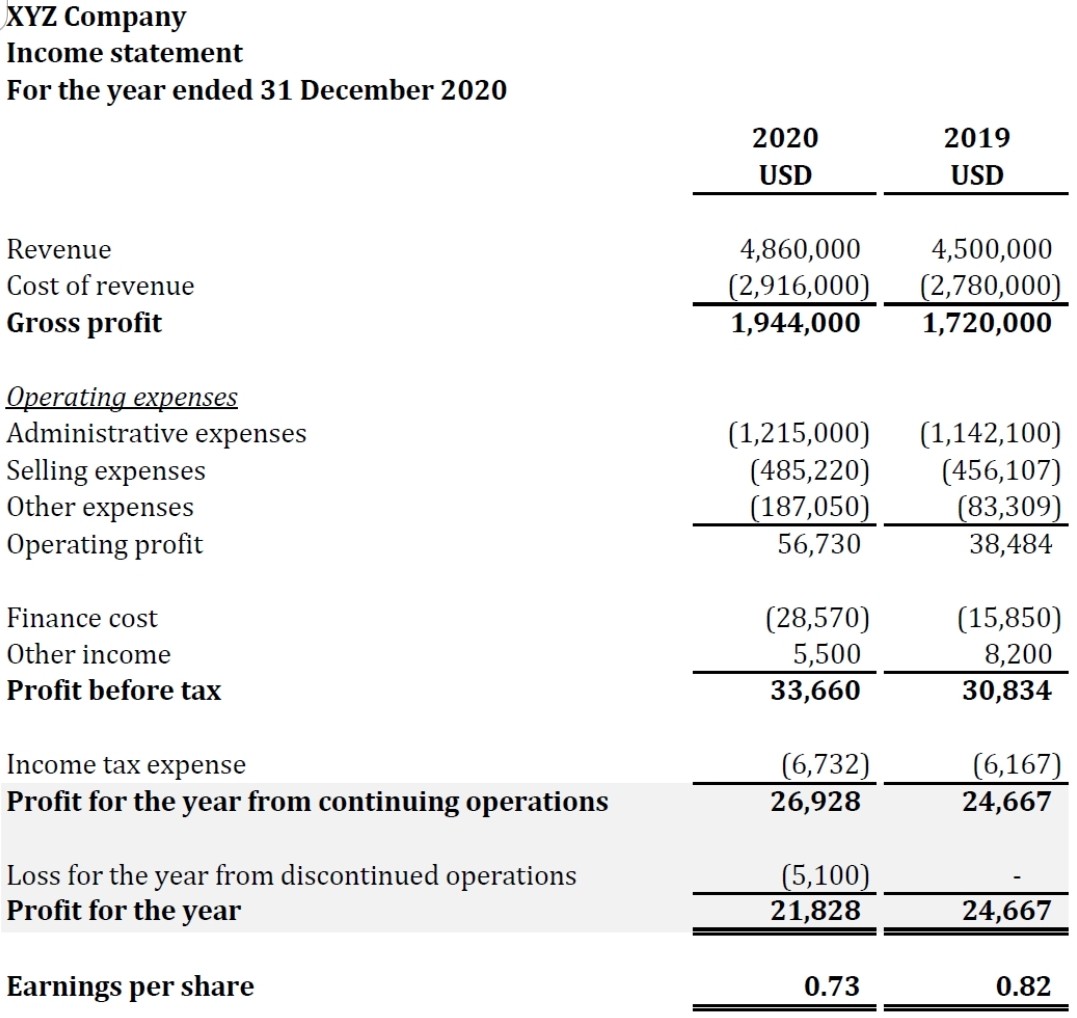
At its core, "For the Year Ended December 31" signifies the period that a company's financial statements cover. It's the accounting period for a full year, ending precisely on December 31st. This information is crucial for investors, analysts, and stakeholders to understand the company's performance. Without a defined period, comparing results would be like comparing apples and... well, randomly selected oranges.
Must Read
Think of it like this: imagine watching your favorite sports team. You wouldn't just randomly observe parts of different games and then try to determine the team's overall performance, would you? You need to look at a complete game – or in this case, a complete fiscal year – to get an accurate picture.
Beyond the Balance Sheet: A Year in Review, Personally
The "For the Year Ended December 31" mentality doesn't just apply to corporate giants. We can all benefit from a similar approach in our personal lives. Consider a year-end review of your own:
![[Solved] For the year ended December 31, 2024, Fid | SolutionInn](https://dsd5zvtm8ll6.cloudfront.net/questions/2024/05/6635349b3674f_1714762903381.jpg)
- Finances: Track your spending habits. Did you hit your savings goals? Were there any unexpected expenses that you could prepare for in the future?
- Health: How many workouts did you actually manage? Did you finally start that yoga class you kept putting off? (Pro-tip: Even small improvements add up. Baby steps!)
- Relationships: Have you been connecting with loved ones? Showing appreciation to the people who matter? (Call your mom!)
- Personal Growth: Did you learn a new skill? Read a book that challenged your thinking? (Maybe even learned a bit more about accounting periods!)
This isn't about self-flagellation or setting unrealistic expectations. It's about gaining insights, identifying areas for improvement, and celebrating your accomplishments.
Cultural Echoes: From Dickens to Data
The year-end carries cultural resonance that extends far beyond the boardroom. Think about the themes in Charles Dickens' A Christmas Carol. While tied to the holiday, the story is ultimately about reflection, accountability, and the possibility of positive change – all concepts that align with the "For the Year Ended December 31" mindset.
![[Solved] Prepare an income statement for Rex Manuf | SolutionInn](https://s3.amazonaws.com/si.experts.images/questions/2023/02/63e61169a7df6_12163e611698e1e4.jpg)
Even in our modern, data-driven world, the year-end review persists. Music streaming services provide personalized "Year in Review" playlists, summarizing our listening habits. Fitness trackers offer similar summaries, highlighting our activity levels. It's a human desire to understand trends, identify patterns, and see how we've spent our time.
Fun Fact: The tradition of New Year's resolutions dates back to ancient Babylonians, who made promises to the gods at the start of each year in order to earn their favor. Talk about accountability!
Practical Tips for a Meaningful Year-End Review
- Schedule time: Don't try to squeeze it in. Dedicate a specific block of time to your review.
- Be honest: This is for you, not anyone else.
- Focus on learning: Don't dwell on failures; extract lessons.
- Celebrate successes: Acknowledge what you did well.
- Set realistic goals: Small, achievable goals are better than grand, unattainable ones.
Ultimately, "For the Year Ended December 31" is more than just a financial term. It's a reminder of the cyclical nature of time, the importance of reflection, and the opportunity for growth. It's a chance to pause, assess, and chart a course for the future. So, whether you're analyzing financial statements or simply reflecting on your own personal journey, take the time to appreciate the significance of the year that has passed and embrace the possibilities of the year to come.
In our daily lives, let's remember that every day is a small step toward a larger goal. Every interaction, every decision, contributes to the overall picture. And while the year-end provides a convenient benchmark, the journey is a continuous one. So, live with intention, learn from experience, and strive to make each day count – for the year ended December 31, and for every year to come.