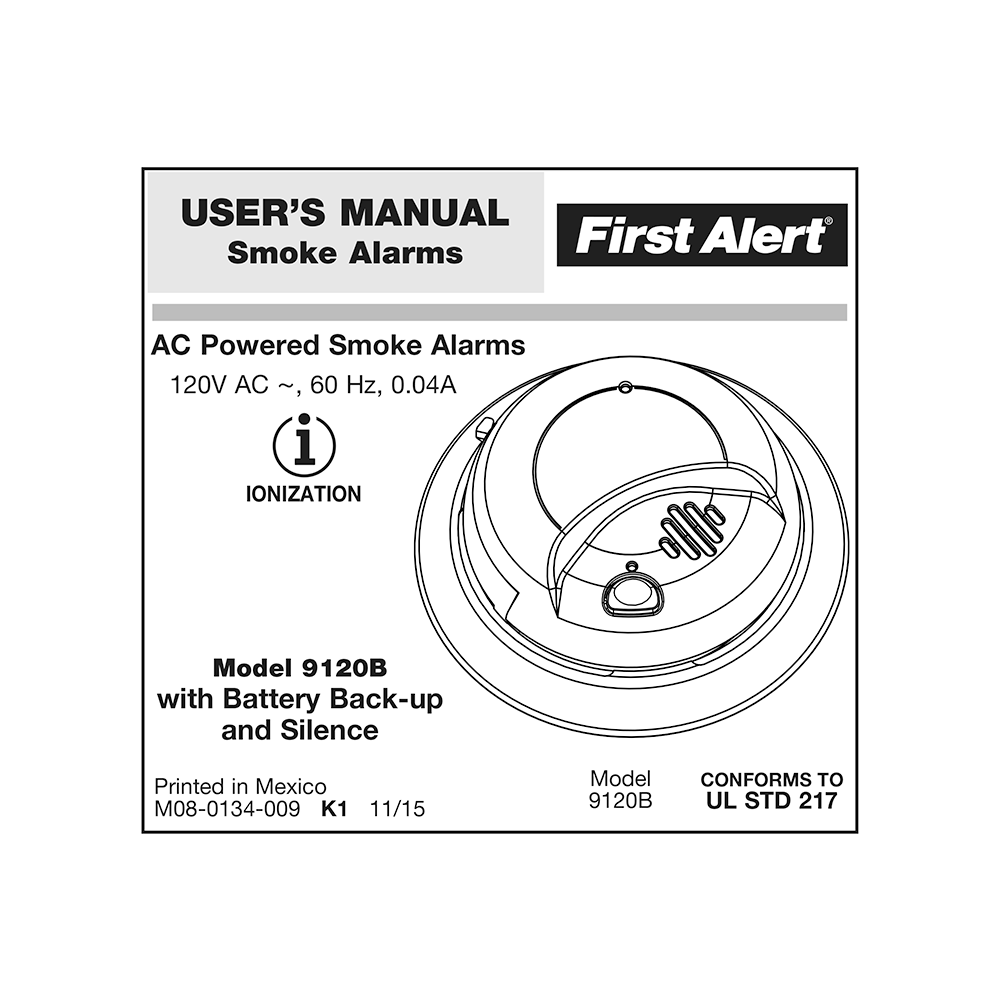
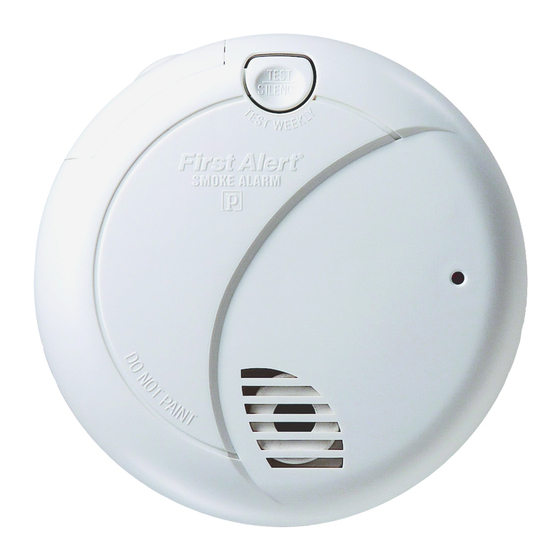
First Alert Smoke Alarm Instructions
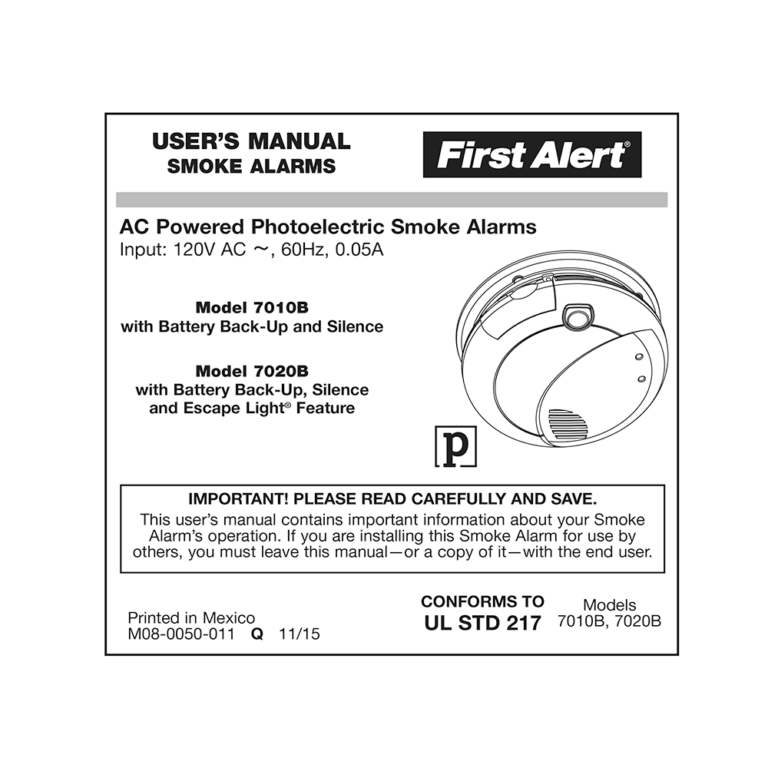
You know, there are some topics that might not sound like a blast on the surface, but they're absolutely essential for our daily lives and can bring an incredible sense of comfort and peace. And what could be more reassuring than knowing your home and loved ones are protected? That's why we're diving into something as crucial yet often overlooked as First Alert smoke alarm instructions. It might sound dry, but think of it as unlocking a super-simple superpower for your home – the power of early warning!
So, who benefits from understanding a little more about these silent guardians? Honestly, everyone with a roof over their head! For beginners, like new homeowners or renters setting up their first place, installing and understanding a smoke alarm is one of the most fundamental steps to building a safe sanctuary. It's easier than assembling most IKEA furniture, we promise! For families, the benefits are immeasurable. Imagine the peace of mind knowing your children are safer while they sleep, or that precious family photos and memories stored in your home have an extra layer of protection. It's not just about property; it's about protecting what truly matters: lives. Even for the more meticulous home maintenance enthusiasts, ensuring your smoke alarms are correctly installed and maintained is a point of pride, demonstrating a well-cared-for home.
Now, not all smoke alarms are created equal, and knowing the variations can help you choose the right ones for your home. You might encounter ionization alarms, which are great at detecting fast-flaming fires, or photoelectric alarms, which are better for slow, smoldering fires. Many modern alarms, including those from First Alert, often combine both technologies for comprehensive protection. Then there's the choice between battery-powered units, offering flexibility, and hardwired alarms, which are connected directly to your home's electrical system and often feature battery backup. Some even come with built-in carbon monoxide detectors, offering dual protection, or are part of smart home systems, sending alerts directly to your phone. It’s a small world of options designed to fit different needs and preferences!
Must Read
Ready to get started and boost your home's safety? Here are some simple, practical tips. First, read your specific First Alert model's manual! While general advice applies, each model has unique features. Second, placement is key: install alarms on every level of your home, inside and outside sleeping areas, and in the basement. Keep them away from kitchens to avoid nuisance alarms from cooking, but ensure there's one nearby. Third, test your alarms monthly by pressing the test button – you'll hear a loud chirp, confirming it's working. Fourth, change batteries at least once a year, even if they haven't chirped for low battery; a good rule of thumb is when you change your clocks for daylight saving time. Finally, remember that smoke alarms don't last forever; they should be replaced every 10 years from their manufacture date, as their sensors can degrade over time.
So, there you have it! Understanding your First Alert smoke alarm instructions isn't just about following rules; it's about embracing a simple, proactive step that delivers immense value. It's about securing that deep breath of knowing you've done your part to keep your haven safe. It’s a tiny bit of effort for a giant leap in peace of mind, allowing you to enjoy your home more fully, knowing its silent protectors are always on guard.