
First Alert Carbon Monoxide Alarm Beeps

Picture this: It's 3 AM. You're deep in the land of nod, dreaming of... well, probably something much more pleasant than this. Suddenly, BEEP! goes something in your house. Not your phone, not your alarm clock. This is a mystery beep. You know the one. That single, insistent, intermittent chirp that seems to emanate from the very walls themselves. You sit bolt upright, heart pounding, convinced it's a ghost, a burglar, or maybe just your cat trying to communicate in Morse code.
You stumble out of bed, flashlight (or phone flashlight, let's be real) in hand, creeping through the darkened house like a ninja on a reconnaissance mission. You check the smoke detector – nope, not that one. The fridge? Nah. The microwave? Definitely not. And then, it hits you. That tiny, unassuming disc mounted on the wall or ceiling. It's your First Alert Carbon Monoxide Alarm, and it's decided to join the nocturnal symphony.
Ah, the carbon monoxide alarm beep. It's the unsung hero of home safety, but boy, can it be a real pain when you don't know why it's beeping. And trust me, we've all been there, wondering if we need to call the fire department or just throw the darn thing out the window. (Please don't do that second one, by the way.)
Must Read
So, Why is My First Alert CO Alarm Beeping at Me?
Good question! Unlike your perpetually nagging smart home device, these alarms usually have a very good reason for making noise. It’s rarely just for fun. Let's break down the usual suspects.
1. The "OMG, CO!" Alarm
Let's get the scary one out of the way first. If your alarm is letting out a LOUD, RAPID series of 4 beeps, repeated every 5 seconds, this is the big one. This means it has detected carbon monoxide. Do not ignore this sound.

What to do: Immediately move to fresh air outdoors or open windows/doors. Call 911 (or your local emergency services). Don't go back inside until emergency responders say it's safe.
2. The Low Battery Chirp
This is, by far, the most common reason for that annoying, middle-of-the-night beep. Your alarm will emit a single chirp every minute. It's its polite (or not-so-polite, depending on the hour) way of telling you, "Hey, buddy, I'm running on fumes here!"
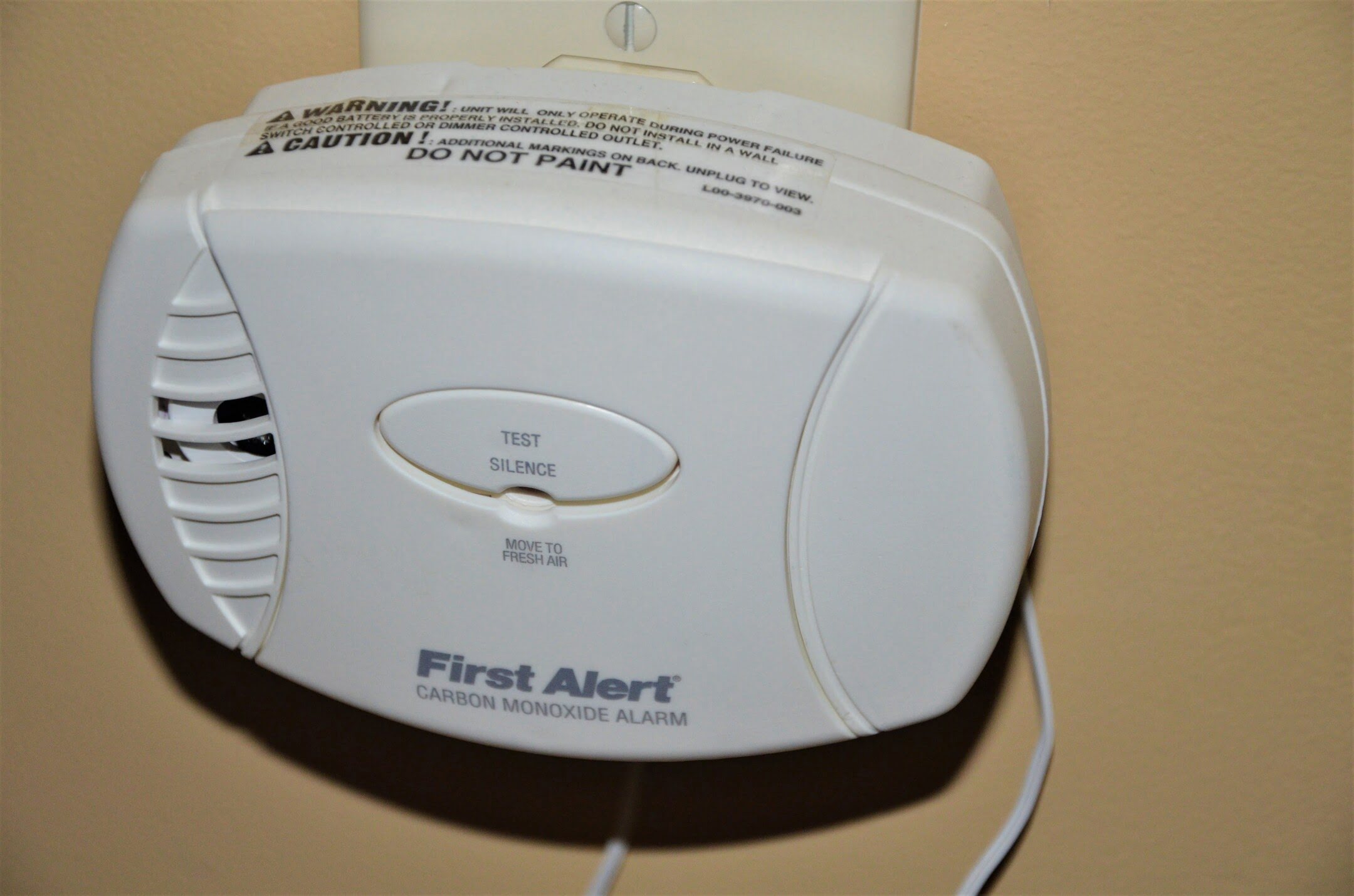
What to do: This is a simple fix. Grab some fresh batteries (check your unit for the correct type, usually AA or 9V). Open the battery compartment, pop in the new ones, and you're good to go. Most manufacturers recommend changing them at least once a year. Maybe set a reminder for daylight saving time? That's what I do!
3. The End-of-Life Warning
Here's one that often catches people off guard. Carbon monoxide alarms don't last forever. Their sensors degrade over time. Most have a lifespan of about 5-7 years. When they're nearing their expiry date, they'll start beeping to let you know it's time for a replacement.
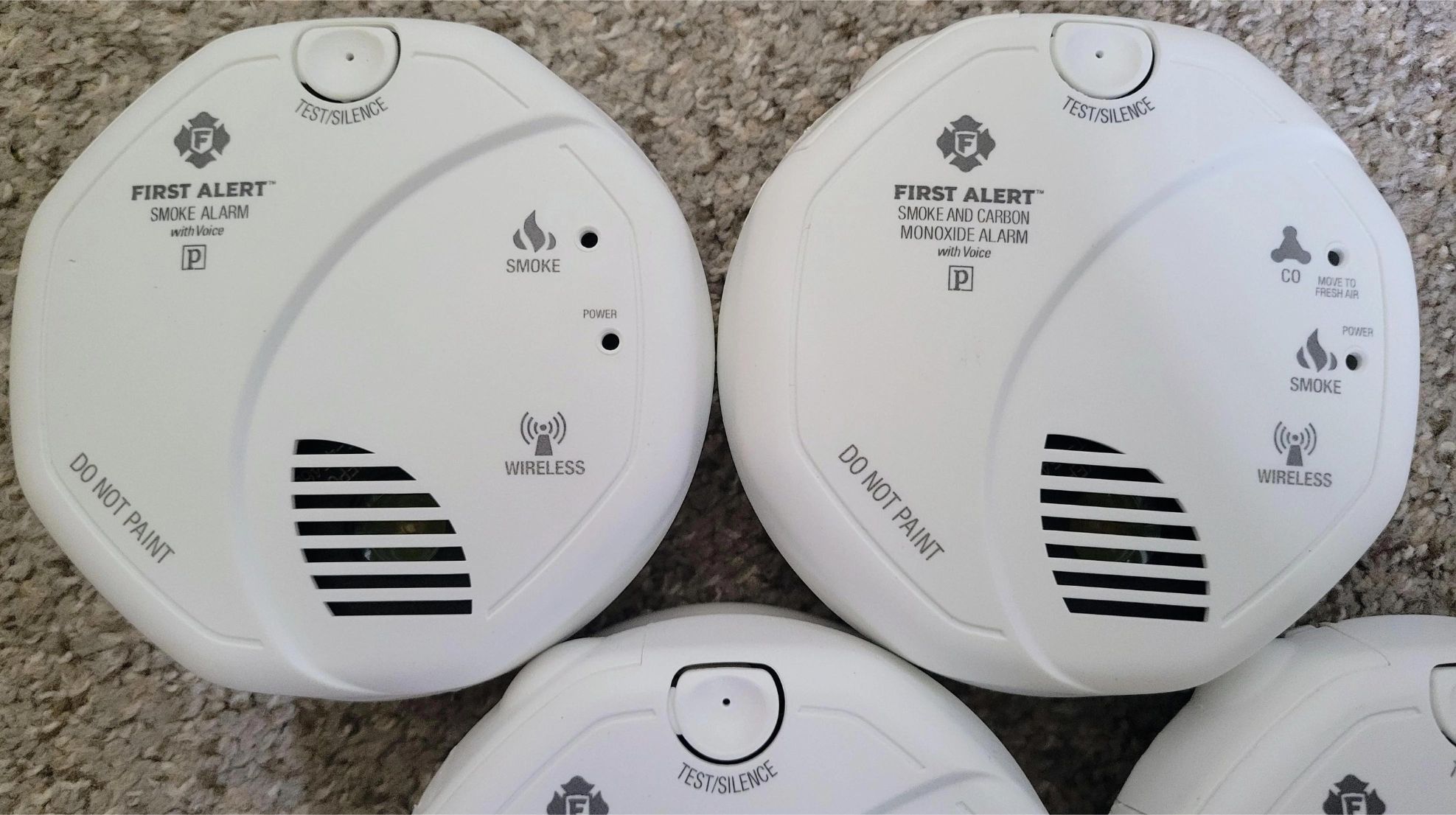
The sound for this can vary, but it's often a single chirp every 30 seconds, or sometimes a different pattern than the low battery warning, often accompanied by an indicator light. Check the back of your unit – there's usually a "replace by" date printed right there. Go on, I'll wait.
What to do: If your alarm is past its prime, it's time to replace the entire unit. Don't just change the batteries; the sensor itself is worn out. Think of it as retiring a trusted (but tired) old friend.
4. The Malfunction or Trouble Signal
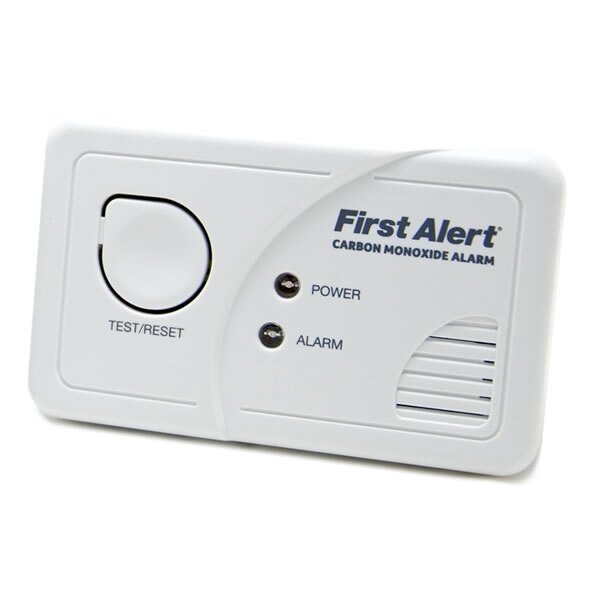
Sometimes, your First Alert alarm might encounter an internal fault. It could be dust, a faulty component, or something else. This usually presents as a short, continuous beep or sometimes a series of beeps accompanied by a specific indicator light pattern.
What to do: First, try cleaning the alarm gently with a vacuum attachment to remove any dust. If that doesn't work, try resetting the alarm (check your manual for instructions, as this varies by model). If the trouble signal persists, it’s best to replace the unit. Better safe than sorry, right?
Quick Tips for Peace of Mind (and Quiet Nights)
- Read the Manual: I know, I know. Who reads manuals? But for safety devices, it's actually really helpful. It'll detail your specific model's beep patterns.
- Test Regularly: Push that "Test" button once a month. It ensures the battery and horn are working.
- Know Your Beeps: Train yourself (and your family!) to differentiate between the urgent CO alarm and the less critical chirps.
- Don't Ignore It: Even if it's "just" a low battery, it means the device isn't fully operational. Address it promptly.
So, the next time that phantom beep jolts you awake, remember: it's not a ghost. It's your First Alert Carbon Monoxide Alarm, diligently trying to tell you something important. Take a deep breath, identify the beep, and take the appropriate action. Your safety (and your sleep) will thank you for it!